
You’ve spent months hunting for the right company. You’ve looked at the spreadsheets, walked the floor, and met the team. Now comes the part that makes most people sweat: the negotiation. It’s that high-stakes moment where a “good deal” can either turn into a legacy-building win or an expensive nightmare that keeps you up at night.

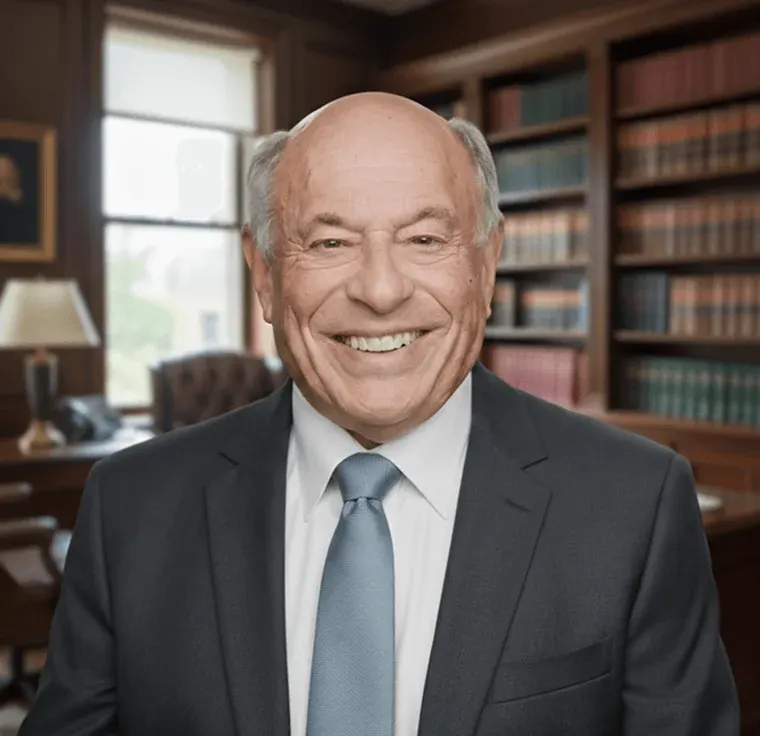
In New Jersey, where the regulations are as dense as the traffic on the Parkway, you can’t afford to wing it. I’ve seen too many brilliant professionals get bullied into bad terms because they thought they could handle the fine print on their own. I’m Paul Appel, and as a business acquisition contract negotiation attorney, my goal is to make sure you’re the one in the driver’s seat.

Think of this guide as your roadmap for the negotiation table. We’re going to break down how to handle the heavy lifting of a NJ business deal so you can walk away with your shirt, your dignity, and a profitable future.

What You Need Before You Sit Down

Negotiation isn’t just about being the loudest person in the room. It’s about being the most prepared. Before we start redlining documents, you need:

  • A Signed Letter of Intent (LOI): The skeleton of your deal.
  • A Comprehensive Due Diligence Report: You can’t negotiate value if you don’t know where the skeletons are buried.
  • Defined Non-Negotiables: Know exactly where you’re willing to bend and where you’ll walk away.
  • Local Insight: Understanding New Jersey business law is a must—from bulk sales tax to specific environmental rules.

Step 1: Define the Deal Structure

The first move in any serious negotiation is deciding exactly what you’re buying. In NJ, we usually lean toward an asset purchase agreement. Why? Because it’s a cleaner way to take the good stuff” while leaving the seller’s old debts and lawsuits behind.

But don’t expect the seller to just agree. They’ll often push for a stock sale to get better tax treatment. This is where the dance begins. We negotiate the “allocation of purchase price” to make sure the math works for your tax returns as much as it does for theirs.

Step 2: Lock Down the Representations and Warranties

This is the most critical part of the contract. Think of Reps and Warranties as a series of sworn statements the seller makes. They’re telling you the roof doesn’t leak, the taxes are paid, and the employees aren’t about to sue.

But here’s the thing… talk is cheap. We negotiate the survival periods—how long those promises stay valid after you hand over the check. If a breach of contract dispute pops up six months later, you want a contract that forces the seller to pay for the fix.

Step 3: Negotiate the Indemnification and Escrow

If a seller breaks a promise, how do you actually get your money back? You don’t want to be chasing them across the country. We negotiate for an escrow or a holdback.

Typically, we’ll keep 10% to 15% of the purchase price in a separate account for a year or two. If we find out they lied about their business compliance, we take the money directly from that account. It’s the ultimate insurance policy for a buyer in Freehold or anywhere in Monmouth County.

Step 4: Handle the NJ-Specific Hurdles

New Jersey has a few unique gotchas. The big one is the Bulk Sales notice. If you don’t notify the state at least 10 days before closing, you could be held responsible for the seller’s back taxes.

We also have to look at the lease. If the business is in a prime spot in Freehold, we negotiate the assignment of that lease. You don’t want to buy a business and find out the landlord is hiking the rent 50% the day you take over.

Step 5: Draft the Restrictive Covenants

The last thing you want is for the seller to take your money and open a competing shop three blocks away. We negotiate “non-compete” and “non-solicitation” clauses that are actually enforceable under NJ law.

But be careful… if the fence we build around the seller is too big, a judge might throw it out. We make it reasonable in terms of geography (say, Monmouth and Ocean Counties) and time (usually 2 to 5 years).

Troubleshooting Common Sticking Points

  • The Valuation Gap: If you think the business is worth less than the seller does, we negotiate an earnout. You pay more later if the business hits certain goals.
  • Missing Documents: If the seller is missing tax returns or payroll records, we demand an indemnity that covers any future government audits.
  • The As-Is Trap: Sellers love the phrase as-is. In a professional business acquisition, we push back. You aren’t buying a used couch; you’re buying a revenue stream.

Pro-Level Insights for Better Results

Here’s a secret from someone who’s spent years in the trenches: the most important part of the negotiation happens before you ever get to the table. It’s the vibe check.

If a seller is being evasive or defensive during due diligence, they’ll be even worse during contract talks. I often tell my clients that boilerplate can ruin your day if you aren’t paying attention to the local context. Make sure every paragraph reflects the reality of doing business in Freehold or Manalapan.

Summary Checklist

Negotiation PillarGoalExpert Tip
StructureAsset PurchaseBetter for liability protection.
Escrow10-15% HoldbackKeeps the seller “honest” after the sale.
Bulk SalesTax ClearanceNon-negotiable in NJ deals.
Non-CompeteGeographic ShieldLimit it to the actual area of operation.

Next Steps for Your Deal

You’ve got the roadmap, but don’t try to navigate the NJ business landscape alone.

  1. Review your LOI: Does it give you enough room to negotiate the fine print?
  2. Audit the Reps: Are the seller’s promises specific enough to hold up in court?
  3. Finalize the Escrow: Ensure your safety net is properly funded at closing.

Buying a business is a life-changing move. It’s about building a legacy and taking control of your future. But don’t let the excitement of the deal blind you to the risks. You’ve worked too hard for your reputation and your capital to lose them to a poorly negotiated contract.

If you’re currently staring at a 50-page agreement and the words are starting to blur, let’s have a real, human conversation. You can find me at 11 Crestwood Drive in Freehold, or shoot me an email at paul@paulappellaw.com. We’ll grab a coffee and make sure your next deal is a total win.