
Risk, Compliance & Governance · New Jersey
A Structured Legal Risk Review for Companies Already in Operation
Most legal trouble in an established business was visible in its own files months or years before it became a claim. Paul H. Appel reads those files the way an opposing lawyer would, then tells you plainly what to fix first.
The practice in brief
Finding the exposure before someone else does
A business legal risk analysis is an organized look at the documents, filings and habits of a running company to identify where it is legally exposed, how serious each exposure is, and what it would take to close it.
Owners usually come to this work for one of three reasons. Something went wrong recently and they want to know what else might be waiting. A lender, investor or buyer is about to look closely and they would rather see the results first. Or the company has simply grown past the paperwork it started with, and nobody has stepped back to check whether the contracts, entity records and workplace policies still match how the business actually runs.
Whatever the trigger, the goal is the same: replace a vague sense that things are probably fine with a specific, ranked list of issues and a realistic plan for each one. Risk work sits alongside the firm's other business law services, and every review is handled personally. Paul reads the documents himself and is the person you speak with about the findings.
This page describes the firm's general approach. It is information, not legal advice; the issues that matter for your company depend on its own documents and facts.

Scope
Six areas a full review can cover
Not every company needs all six. Scope is agreed in writing at the start, so you pay only for the areas that matter to your business.
| Area | What is examined | A typical finding |
|---|---|---|
| Entity and ownership | Formation documents, operating agreement or bylaws, ownership records, state filings | Ownership percentages in the records do not match what the owners believe they hold |
| Governance and authority | Minutes, written consents, officer appointments, signing authority | Major decisions such as a loan or a new lease were never formally approved |
| Contracts | Customer, vendor, lease and financing agreements | Key contracts renew automatically on terms nobody has reread in years |
| Workplace | Handbook, offer letters, contractor arrangements, pay practices | Long-term contractors who look like employees under New Jersey's ABC test |
| Licensing and registrations | State and local registrations, professional or trade licenses | A registration lapsed when the company changed its name or address |
| Personal exposure | Guarantees, mixed accounts, owner-signed obligations | An owner personally guaranteed a lease that has since been renewed twice |
Where an area raises a deeper question, such as a compliance audit of filings and licenses or a full corporate governance review, it can be expanded into its own engagement.
Method
How the analysis is carried out
The process is deliberately simple so that it fits around the owner's working week. The step-by-step assessment process page describes each stage in more detail.
Agree the scope
A short call establishes why you want the review, which areas it covers and what you already suspect. Scope and a flat fee are confirmed in writing before any work begins.
Collect the paper
You receive a targeted document request. Most owners can assemble what is needed in a few sittings, and gaps in the paper are themselves useful findings.
Read and question
Paul reviews the documents against how the business actually operates, then asks follow-up questions of you and, if useful, a manager or your accountant.
Rank and report
Each issue is rated by how likely it is to cause harm and how costly that harm would be, then written up with a recommended fix and a sensible order of work.
The deliverable
What you hold at the end
The output is a plain-English written risk report, not a stack of marked-up documents. It opens with a one-page summary of the issues that deserve attention now, followed by a fuller list grouped by area. Each entry explains what was found, why it matters in practical terms and what the fix involves.
Recommendations are deliberately sorted into three groups so the report can be acted on rather than filed away:
- Fix now — issues where the exposure is real and the cure is usually inexpensive, such as a missing approval that can be ratified or a lapsed filing.
- Plan for — larger items, such as rewriting an outdated operating agreement or restructuring how contractors are engaged, scheduled over the coming months.
- Monitor — risks that are acceptable for now but worth revisiting if the business grows, adds owners or changes what it does.
After the report, you decide what happens next. Some owners handle the simple items themselves with guidance; others ask the firm to prepare the corrective documents; others fold the follow-up into a virtual general counsel retainer so the review becomes an ongoing habit rather than a one-off event.
Within this practice
Focused reviews when you already know the concern
If the worry is specific, a narrower engagement is often faster and less expensive than a full analysis.
Governance clean-up
Bringing minutes, consents and officer authority into line with the company's agreements and the decisions owners have actually made.
Governance reviewCompliance audit
A check of state filings, registrations, licenses and recurring obligations, with a remediation plan for anything out of date.
Compliance auditsHandbook and HR policies
A legal read of the employee handbook and workplace policies against current New Jersey employment law.
Handbook review
Questions & answers
Legal risk analysis — common questions
What does a legal risk analysis of a business include?
It covers whichever areas you agree at the outset: typically the entity and ownership records, governance approvals, major contracts, workplace documents, licenses and registrations, and any personal obligations the owners have taken on. The result is a written report that ranks each issue by seriousness and explains what fixing it would involve, rather than a generic checklist.
How is this different from an accountant's audit?
An accountant tests whether the financial statements are reliable. A legal review asks different questions: whether the company has the authority, documents and compliance record to defend itself if challenged by a customer, employee, regulator, lender or co-owner. The two work well together, and the firm is happy to coordinate with your accountant where their records answer a legal question.
How often should a New Jersey company have its legal risks reviewed?
There is no legal requirement, so it is a judgment call. Many owners find a full review worthwhile every few years, with a lighter check whenever something significant changes: a new owner, a large contract, a move, a jump in headcount, or preparation for a sale or financing. Companies on a monthly retainer often spread the review across the year instead.
Will the review find problems I then have to report to someone?
A private review commissioned through your attorney is generally intended to be confidential advice to the company. It does not, by itself, create a duty to report anything. If a finding does raise a disclosure or correction question, Paul will explain the options and their trade-offs so you can decide with full information.
Explore
Every Legal Risk Analysis topic we cover
Each guide below answers a narrower question within this practice area.
- Business Compliance Audits
- Compliance Audit Checklist
- Corporate Governance Review
- Employee Handbook Review
- Governance and Personal Liability
- Piercing the Corporate Veil
- Preventive Legal Strategies
- Risk Assessment Process
- Risk Mitigation Strategies
- Risk Review Before Growth
- Small Business Risk Review
- What to Expect in a Governance Review
- Why Governance Matters for Small Firms
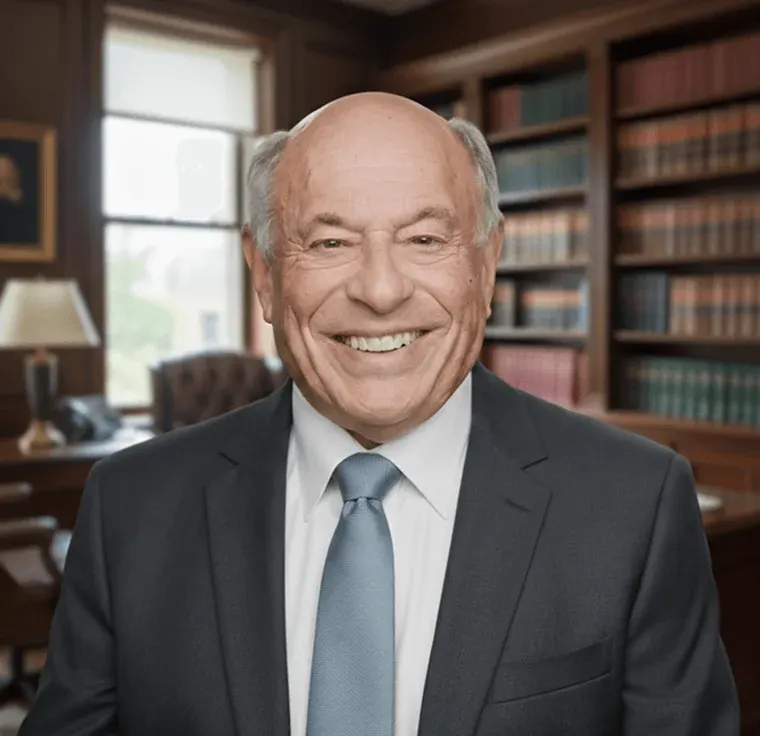
Your attorney
Paul H. Appel, Esq.
Every matter at the firm is handled personally by Paul — the same attorney reads the documents, gives the advice and negotiates on your behalf.
- Education
- Columbia Law School, Juris Doctor (1967)
- Experience
- 58+ years in commercial and business law
- Focus for this matter
- Compliance audits, governance review and legal risk analysis
- Office
- Freehold, NJ — serving Monmouth, Middlesex & Ocean Counties
Contact
Discuss Your Business Matter With Paul
Describe what the business is dealing with — a contract on your desk, a deal in progress, a dispute or a company you are about to form. You will hear back from the attorney who handles the work.
- Phone917-748-6124
- Office11 Crestwood Drive, Freehold, NJ 07728
- ConsultationsBy phone, video or in person by appointment
Start a conversation