

Construction Contracts · New Jersey

Construction Contracts That Get You Paid and Limit What You Owe

The contract decides how a construction project ends long before the last day on site. The firm drafts contractor-side forms and reviews owner-supplied agreements, concentrating on the handful of clauses that move real money and risk.

What this service covers

Drafting your forms and reviewing theirs

Contractors meet construction contracts in two ways: as the form you hand to customers and as the form a customer, owner or general contractor hands to you. Both deserve legal attention, for different reasons.

Your own proposal and contract form is used on every job, so small weaknesses repeat across the whole business. A well-built form sets out the scope, the price, how changes are handled, when you are paid and what happens if you are not. Once it is in place, most jobs need no further legal time.

A customer's form is drafted for the customer. The review identifies the clauses that shift unusual risk to you, explains them in plain English and proposes specific changes you can send back. Paul focuses on the provisions that matter most rather than marking up every sentence, so the negotiation stays practical.

Contract work is part of the firm's construction law practice. For general commercial agreements outside construction, see the firm's business contract services.

Contractor and owner representatives reading through a construction contract draft at a desk

Standard forms

AIA documents, other published forms and custom contracts

AIA forms

Familiar, but rarely unmodified

Owners and architects often start from AIA agreements and general conditions. The published forms are a reasonable baseline; the risk usually sits in the supplementary conditions and riders that change them. Reading the edits matters more than reading the form.
Other published forms

Industry-drafted alternatives

Other standard families, such as ConsensusDocs, are drafted with input from several industry groups and may start from a more balanced position. Whichever family is used, the pieces must be consistent with each other.

Custom contracts

Owner- or lender-drafted agreements

Bespoke contracts can be well balanced or heavily one-sided. They need the closest review because nothing in them can be assumed to follow industry norms.

Your own form

Contractor proposals and agreements

For residential and smaller commercial work, a contractor-drafted form is often the best option, provided it complies with any rules that apply, such as New Jersey's home improvement requirements.

Key clauses

Clauses that decide most construction disputes

The middle column describes wording owners commonly propose; the right column describes changes contractors often ask for. Neither is automatically right, but knowing the gap helps you negotiate.

ClauseOwner-leaning versionContractor's typical ask
Payment termsPayment within a long period after approval, at the owner's discretionA fixed number of days after submission, with interest on late amounts and a right to suspend work
RetainageA percentage held until final completion and acceptance of the whole projectReduced retainage after a stage of completion, and release tied to objective milestones
IndemnityContractor indemnifies the owner for all claims arising from the workIndemnity limited to claims caused by the contractor's own negligence, to the extent caused
WarrantyOpen-ended warranty starting at final acceptance, plus any implied warrantiesA defined warranty period from substantial completion, with an exclusive repair remedy
TerminationOwner may terminate for convenience with limited paymentPayment for work performed, costs of demobilisation and a reasonable portion of profit
DisputesLitigation in the owner's chosen venueNegotiation, then mediation, then a clearly drafted arbitration or court process

Payment, retainage and indemnity

Three provisions worth negotiating every time

Payment terms set the contractor's cash flow for the whole project. Beyond the due date, look at what must be submitted to trigger payment, who approves it, and whether the owner may withhold for disputed items while paying the rest. A right to stop work after a defined period of non-payment is one of the most useful protections a contractor can obtain. New Jersey also has a prompt payment statute for certain private construction contracts; whether and how it applies to a particular job is fact-specific.

Retainage is normal, but the terms vary widely. Ask when it reduces, what must happen for it to be released and whether it can be withheld for unrelated claims. Retainage left until the very end of a long project is effectively an interest-free loan to the owner.

Indemnity clauses decide who pays when someone is hurt or property is damaged. Broad wording can require the contractor to cover losses it did not cause. New Jersey courts generally will not read an indemnity clause as covering the other party's own negligence unless the contract says so unequivocally, but relying on that rule after a claim is no substitute for negotiating clear wording up front. The indemnity should also match what your liability insurance actually covers.

Unfamiliar terms in any of these clauses are explained in the firm's plain-English contract terms glossary.

Engagement

How a contract review or drafting project works

  1. Send the documents

    The full contract package: agreement, general and supplementary conditions, exhibits, drawings list and any bid documents that are incorporated by reference.

  2. Priority review

    Paul identifies the provisions that create the most risk for your business on this job and explains each in plain terms.

  3. Proposed changes

    You receive specific redline language or a short issues list you can send to the owner or GC, ranked so you know which points are worth holding firm on.

  4. Negotiate and finalize

    If you wish, the firm communicates with the other side or its counsel and confirms the final version reflects what was agreed.

Questions & answers

Construction contract questions

Should I use an AIA form or a custom construction contract?

On larger commercial projects with an architect involved, AIA documents are common and familiar to lenders and insurers, which makes them a sensible baseline. On smaller or residential work, a shorter contractor-drafted form is often more practical. In either case, the most important step is reviewing the modifications and attachments, because that is where the risk allocation actually changes.

What is a reasonable retainage clause?

There is no single answer, but contractors generally look for a clear percentage, a reduction once a significant part of the work is complete, and release tied to objective events such as substantial completion rather than final acceptance of the whole project. The clause should also say retainage cannot be held for unrelated claims. Public projects may be subject to separate statutory retainage rules.

What should a contractor look for in an indemnity clause?

Look at whose negligence is covered, whether the obligation includes defense costs, whether it is limited to claims arising from your own work, and how long it lasts. Then compare it with your insurance policy, because an indemnity promise your insurer will not back is a promise you will be paying for yourself. Broad-form wording is the most important to negotiate.

Can a construction contract require arbitration in New Jersey?

Yes. Arbitration clauses are common in construction and are generally enforceable under the New Jersey Arbitration Act. New Jersey courts do require that the clause clearly explain that the parties are giving up the right to bring the dispute in court, so wording matters, especially in contracts with homeowners. A poorly drafted clause can lead to a costly fight over where the dispute belongs.

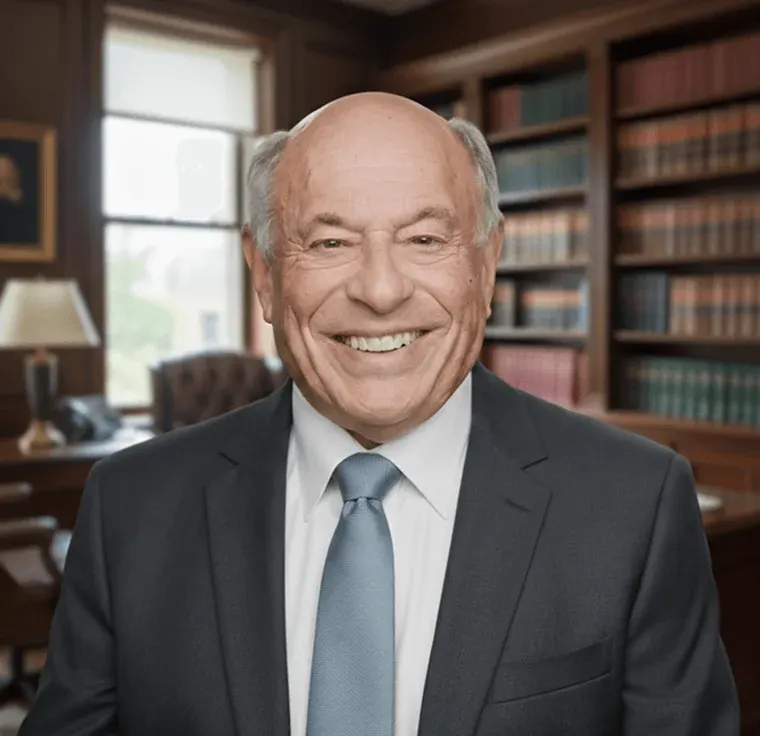
Paul H. Appel, Esq., business attorney, in his law library

Your attorney

Paul H. Appel, Esq.

Every matter at the firm is handled personally by Paul — the same attorney reads the documents, gives the advice and negotiates on your behalf.

Education
Columbia Law School, Juris Doctor (1967)
Experience
58+ years in commercial and business law
Focus for this matter
Construction contracts, compliance, liens and payment disputes
Office
Freehold, NJ — serving Monmouth, Middlesex & Ocean Counties
More about Paul and the firm

Contact

Discuss Your Business Matter With Paul

Describe what the business is dealing with — a contract on your desk, a deal in progress, a dispute or a company you are about to form. You will hear back from the attorney who handles the work.

Start a conversation

Schedule a Free Consultation

Loading the secure consultation form… If it does not appear, call 917-748-6124 or email paul@paulappellaw.com.