
Corporate Governance · New Jersey

Making Sure Your Company's Decisions Are Properly Authorized and Recorded

A governance review checks that the rules in your bylaws or operating agreement, the decisions owners have actually made and the records that prove them all line up, and corrects them where they do not.

What the service is

Governance is the paper trail of who decided what

Every corporation and LLC has rules for making decisions. A corporate governance review tests whether the company has followed its own rules, and whether it could prove it if a co-owner, lender, buyer or court asked.

New Jersey corporations are governed by the Business Corporation Act (Title 14A) and their own certificate of incorporation and bylaws. LLCs are governed by the Revised Uniform Limited Liability Company Act and, above all, by their operating agreement. In both cases the internal documents usually set out who may approve what, how votes are taken, and when owners must consent.

The difficulty is that closely held companies rarely operate by the book. Decisions are made over coffee or by text, officers change without anyone updating the records, and the operating agreement drafted at formation is never reread. A governance review brings documents and practice back into line. It is distinct from drafting governance documents for a new company, which is covered under bylaws and initial governance.

What is reviewed

The five elements of the review

ElementWhat is checkedCommon gap in small companies
Bylaws or operating agreementWhether the governing document is signed, current and workable, and whether it reflects the owners' actual arrangementA template agreement that does not match how profits are split or who manages
Minutes and meetingsWhether required meetings were held and recorded, or properly replaced by written consentsNo record of any meeting since formation
Written consentsWhether major decisions were approved by the right people, in the right proportions, in writingA loan or lease signed with no recorded approval
Officer and manager authorityWho holds which office, how they were appointed and what they may signA former officer still listed with the bank
Conflict handlingHow transactions between the company and an owner or relative were approvedOwner's own building leased to the company with no documented approval of terms

Where the risk lies

Three issues that deserve particular attention

Authority

Officers and managers acting beyond their power

If the governing documents require owner approval for borrowing above a threshold, a manager who signs alone may have acted without authority. Third parties sometimes still enforce the contract, but the internal consequences between owners can be serious. The review maps who can bind the company and to what extent.
Related parties

Deals between the company and its owners

Leasing an owner's property, lending to an owner, hiring an owner's relative or buying from an owner's other business are common in small companies. They are not improper in themselves, but they should be approved on a documented basis by disinterested owners where the governing documents or the law call for it. Undocumented related-party deals are a frequent source of later fiduciary claims.

Ownership

Records that do not match reality

Ownership percentages shift through buyouts, capital contributions or informal promises. If the ledger, stock certificates or membership schedule were never updated, the company may not know for certain who is entitled to vote or receive distributions. That matters most at the moment someone wants to sell, exit or bring a claim, which is often when a shareholder agreement is put to the test.

Corrective work

How gaps are typically fixed

Most governance problems can be corrected without drama once they are identified.

  • Ratifying resolutions

    Past decisions that were made informally can often be confirmed by a written resolution or consent of the appropriate owners or directors, subject to the governing documents and any intervening rights.

  • Updated records

    Officer slates, ownership ledgers and bank signature cards are brought current and kept together in a single company record book.

  • Amended governing documents

    Where the operating agreement or bylaws no longer fit, an amendment or restatement is prepared. The firm's operating agreement work covers what a modern LLC agreement should contain.

Corporations and LLCs

Different entities, different expectations

Corporations carry more formal expectations: a board of directors, officers, and shareholder and director action taken at meetings or by written consent as the statute and bylaws permit. The review checks those mechanics directly.

LLCs are more flexible. New Jersey does not require an LLC to hold annual meetings, and many operating agreements let members act informally. That flexibility is useful, but it is not a reason to keep no record at all. Documented consents for significant decisions remain good practice, and the review focuses on whether the decisions that matter can be evidenced.

For a walk-through of how the review proceeds week by week, see what to expect during a governance review. This service is part of the firm's wider legal risk analysis practice.

Questions & answers

Governance review — owner questions

What does a corporate governance review look at?

It examines the company's governing documents, its minutes or written consents, how officers or managers were appointed and what they are authorized to sign, how transactions involving owners were approved, and whether the ownership records are accurate. The aim is to confirm the company has followed its own rules and can demonstrate that, and to correct any gaps found.

Can missing approvals be fixed after the fact?

Often, yes. Many informal decisions can be ratified by a written resolution or consent of the people who should have approved them originally. Ratification has limits: it may not cure every defect, particularly where an owner objects or a third party's rights have intervened, so each situation is assessed individually before a ratifying document is prepared.

Does an LLC need a governance review if it has no board?

Many do. An LLC's operating agreement still sets voting thresholds, manager authority and rules for admitting or buying out members. The most common LLC problems are an unsigned or outdated agreement, member percentages that have drifted from the records, and major decisions taken without the consent the agreement requires.

Will a governance review upset my co-owners?

It need not. Most owners welcome clarity, and the review is framed as housekeeping rather than fault-finding. Where it does uncover a real disagreement, it is better to find it in a calm review than in a dispute. Paul will explain how to present the review to co-owners and, if appropriate, involve them from the start.

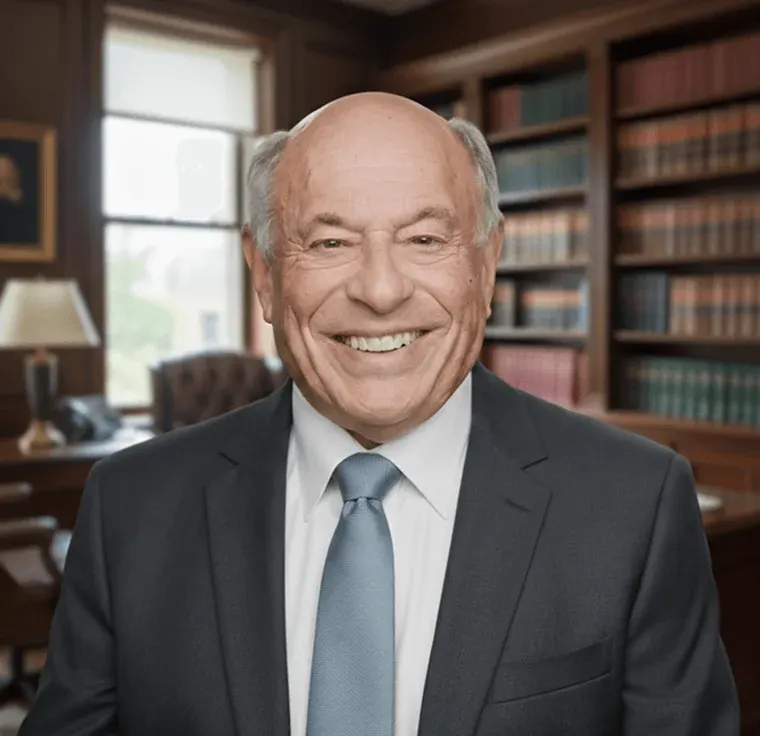
Paul H. Appel, Esq., business attorney, in his law library

Your attorney

Paul H. Appel, Esq.

Every matter at the firm is handled personally by Paul — the same attorney reads the documents, gives the advice and negotiates on your behalf.

Education
Columbia Law School, Juris Doctor (1967)
Experience
58+ years in commercial and business law
Focus for this matter
Compliance audits, governance review and legal risk analysis
Office
Freehold, NJ — serving Monmouth, Middlesex & Ocean Counties
More about Paul and the firm

Contact

Discuss Your Business Matter With Paul

Describe what the business is dealing with — a contract on your desk, a deal in progress, a dispute or a company you are about to form. You will hear back from the attorney who handles the work.

Start a conversation

Schedule a Free Consultation

Loading the secure consultation form… If it does not appear, call 917-748-6124 or email paul@paulappellaw.com.