
Contracts · New Jersey
Contracts Written, Checked and Negotiated Before They Cost You
Almost every business relationship you have runs on a contract, whether anyone wrote it down carefully or not. Paul H. Appel drafts, reviews and negotiates the agreements New Jersey companies rely on, and handles each one personally.
Why contracts deserve attention
The document you sign is the deal — not the conversation that led to it
When a customer stops paying, a supplier ships late or a key employee leaves for a competitor, nobody asks what was said over lunch. They read the contract. A business contract lawyer makes sure that document says what you believe you agreed to.
Most owners meet contract problems in one of two ways. Either they signed the other side's paper without reading the back pages, or they have been using a template downloaded years ago that no longer fits how the company actually operates. Both leave gaps that only show up when a relationship goes wrong, which is the most expensive moment to discover them.
The work falls into three related services. Drafting means writing a new agreement or a reusable template from your side of the table. Review means reading a document the other party sent, flagging what is unusual or risky, and explaining it in plain terms. Negotiation means going back to the other side with proposed changes and working toward terms both parties can sign.
This page describes contract work in general terms. Whether a particular clause is enforceable, or worth fighting over, depends on the agreement as a whole and the facts around it.

Agreements the firm handles
Six families of contracts most companies need
Each has its own page explaining the clauses that matter most for that kind of agreement.
Customer and service agreements
Master service agreements, statements of work and order terms that set scope, payment timing and what happens when a client disputes an invoice.
Client service agreementsVendor and supply contracts
Terms with the companies you buy from: pricing, delivery, defective goods, warranty limits and how either side can walk away.
Vendor and supplier contractsPeople agreements
Employment contracts for key hires, independent contractor agreements and the restrictive covenants that sometimes go with them.
Employment contractsConfidentiality and competition
Non-disclosure agreements before you share sensitive information, and non-compete or non-solicitation terms drafted to a standard New Jersey courts will accept.
NDAsLicensing and ownership
Licenses of software, brands or know-how, plus the shareholder agreements that govern who owns the company and how shares change hands.
Licensing agreementsCommercial leases
Office, retail and warehouse leases for tenants and landlords, including renewals, assignments and subleases.
Commercial lease agreements
Where the risk usually sits
The clauses that decide who pays when something goes wrong
Price and scope get negotiated because everyone understands them. The provisions that cause real financial damage are usually further back, written in dense language that invites skimming. In reviews for New Jersey owners, a handful of terms account for most of the trouble:
- Indemnification — a promise to cover the other party's losses, sometimes including losses you did not cause.
- Limitation of liability — a cap on damages that may protect the other side far more than it protects you.
- Automatic renewal and notice windows that lock the business into another year if a date is missed.
- Termination rights that let one party exit on short notice while the other is bound for the full term.
- Dispute resolution terms, including arbitration clauses, forum selection and choice of law that may send a fight out of state.
- Assignment and change-of-control language that matters the moment you sell, merge or restructure the company.
If a term above is unfamiliar, the plain-English contract glossary explains what each one means and why it matters. If a business is changing hands, assignment issues are covered on the page about moving customer contracts to a buyer.
How a contract engagement runs
From the draft in your inbox to a signed agreement
The sequence is similar whether the firm is writing the contract or responding to one.
Tell Paul what the deal is
A short call covers the commercial terms, the relationship with the other party, your deadline and what worries you most. You receive the scope and the fee in writing before work begins.
Read it against your business
The draft is checked for what it says and what it leaves out, measured against how your company really delivers, invoices and handles problems.
Get a prioritized markup
You receive tracked changes plus a short note separating the must-change items from the nice-to-haves, so you know where to spend negotiating capital.
Negotiate or hand off
Paul can deal with the other side or its lawyer directly, or coach you through the conversation if you prefer to keep the relationship in your own hands.
Sign and keep track
After signing, key dates and obligations are listed so they do not slip. The page on managing contracts after signature explains how to keep that list current.
Fees and working model
One attorney, a fixed price and no surprise invoices
Contract work is usually quoted as a flat fee set after Paul has seen the document and understood the deal. A one-page amendment and a fifty-page supply agreement are priced differently, but in both cases you know the number before any work starts. Businesses with a steady flow of agreements often prefer a monthly retainer through the firm's virtual general counsel service, which covers routine reviews without a new quote each time.
Paul has practiced business law since 1967 and handles every matter himself. The person who reads your contract is the person who negotiates it, which removes the hand-offs that slow things down at larger firms.
Before the first call
What to send with a contract you want reviewed
A review goes faster and costs less when the context arrives with the document.
- The draft itself in an editable format, plus any exhibits or schedules it refers to
- Any proposal, quote or email that sets out the commercial terms you discussed
- The deadline for signing and who is pushing for it
- Earlier contracts with the same party, if there are any
- A sentence or two on what you most want protected — payment, IP, exclusivity or your ability to leave
Already signed and wondering whether you are meeting your own obligations? A contract compliance review looks at existing agreements rather than new ones.
Questions & answers
Business contracts — common questions
Should I have a lawyer review a contract before I sign it?
For any agreement that involves meaningful money, a long term, exclusivity, personal guarantees or your intellectual property, yes. A review costs far less than unwinding a bad term later, and many contracts can be improved simply by asking. For routine low-value purchases on standard terms, a review is often unnecessary, and Paul will tell you so.
What is the difference between drafting a contract and reviewing one?
Drafting starts from a blank page or your template and puts your preferred terms first. Reviewing starts from the other party's paper, which is written to favor them, and focuses on identifying what to push back on. Drafting usually takes longer, but it gives you the advantage of setting the starting position.
How much of a contract can actually be negotiated?
More than most owners expect. Large companies sometimes refuse to change their forms, but even then, side letters, order-level terms or specific carve-outs are often accepted. Smaller counterparties frequently agree to reasonable changes on liability, payment timing and termination when the request is clear and well explained.
Can one contract template work for all of my customers?
A well-built template can cover most customers if it separates the fixed legal terms from a schedule that changes per deal, such as scope, price and timeline. Problems start when staff edit the core terms ad hoc for each client. The firm can build a template with a short guide on what may and may not be changed.
Explore
Every Contract Drafting & Review topic we cover
Each guide below answers a narrower question within this practice area.
- Client Service Agreements
- Commercial Leases
- Contract Compliance Review
- Contract Lifecycle Management
- Contract Terms Glossary
- Customer Contract Transitions
- Employment Contracts
- Independent Contractor Agreements
- Lease Assignment & Subletting
- Lease Review & Negotiation
- Licensing Agreements
- Non-Compete Agreements
- Non-Disclosure Agreements
- Property Management Contracts
- Shareholder Agreements
- Vendor & Supplier Contracts
- Vendor Contract Assignment
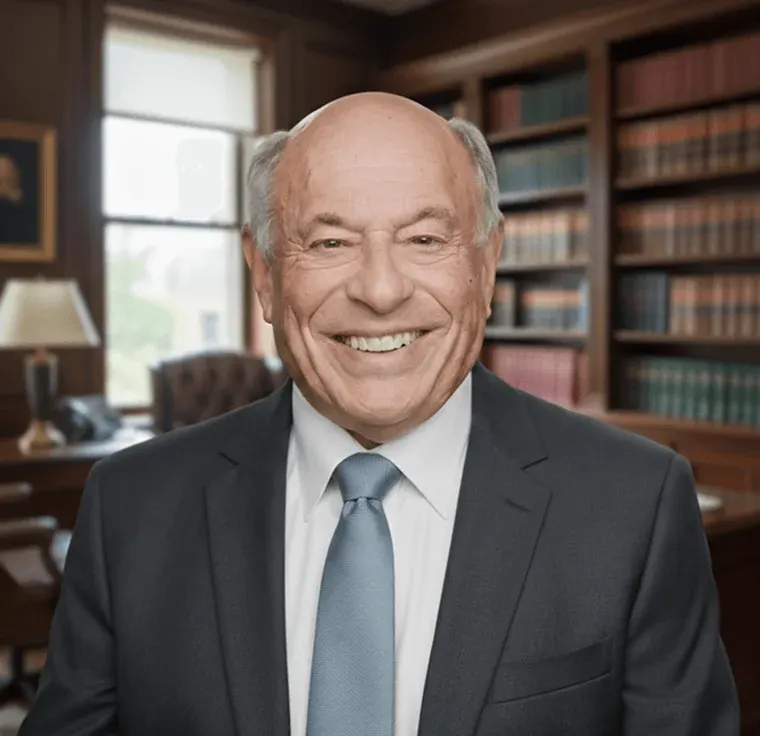
Your attorney
Paul H. Appel, Esq.
Every matter at the firm is handled personally by Paul — the same attorney reads the documents, gives the advice and negotiates on your behalf.
- Education
- Columbia Law School, Juris Doctor (1967)
- Experience
- 58+ years in commercial and business law
- Focus for this matter
- Drafting, reviewing and negotiating commercial agreements
- Office
- Freehold, NJ — serving Monmouth, Middlesex & Ocean Counties
Contact
Discuss Your Business Matter With Paul
Describe what the business is dealing with — a contract on your desk, a deal in progress, a dispute or a company you are about to form. You will hear back from the attorney who handles the work.
- Phone917-748-6124
- Office11 Crestwood Drive, Freehold, NJ 07728
- ConsultationsBy phone, video or in person by appointment
Start a conversation