
Contracts · Existing agreements

Are You Keeping the Promises in Contracts You Already Signed?

Businesses accumulate obligations faster than anyone tracks them. A contract compliance review checks what your signed agreements require of you, whether the company is doing it, and how exposed you are where it is not.

What the review is

Looking at your side of the bargain, not theirs

When owners think about contract trouble, they picture the other party failing to deliver. A contract compliance review turns the question around: it tests whether your own company is performing as its agreements require.

The gap between what a contract says and how a business operates usually opens quietly. A sales team promises turnaround times that the contract does not allow for. A customer agreement requires annual security reports that nobody has sent. A lease obliges the tenant to maintain specific insurance that lapsed when the broker changed. None of it matters until the other side looks for a reason to withhold payment, terminate early or claim damages, and then it matters a great deal.

The review is a structured read of the agreements that carry the most value or risk, compared against what the business is actually doing. The result is a short written list of where you stand, what needs fixing, and what to do first.

This review focuses on contractual obligations. A broader look at licenses, filings, employment practices and governance is a business compliance audit, which the firm also performs.

What gets checked

Four areas where businesses most often fall out of compliance

Performance

Service levels, deliverables and deadlines

Response times, uptime commitments, delivery schedules and reporting duties. The review compares what was promised with what records show was delivered, and notes where service credits or penalties may already be owed.

Money

Pricing, payment and audit terms

Most-favored-pricing promises, rebate obligations, payment deadlines and the other party's right to audit your books. Billing that drifted from the contract can create claims in either direction.

Protection

Insurance, confidentiality and data

Required coverage types and limits, additional-insured endorsements, confidentiality restrictions and any data-handling commitments. These are easy to forget and painful to explain after an incident.

Restrictions

Exclusivity, non-solicitation and consent rights

Promises not to work with competitors, not to hire the other party's staff, or to seek consent before changing subcontractors or ownership. A new deal can breach an old one without anyone noticing.

Business colleagues in an office comparing signed agreements against their operating records

Understanding exposure

What a compliance gap can actually cost

Not every shortfall is a serious problem. Contracts distinguish between minor deviations and a material breach, and many require the complaining party to give written notice and a chance to cure before it can terminate or claim damages. The review sorts findings by consequence so you can deal with the dangerous ones first.

  • Issues that could let the other side terminate the agreement or withhold payment
  • Issues that trigger a fixed remedy, such as service credits, liquidated damages or price adjustments
  • Issues that could expand your liability, for example by falling outside an insurance requirement or a liability cap
  • Technical lapses that are low-risk but easy to fix now

Timing matters too. A claim for breach of a written contract in New Jersey can generally be brought within six years, so old lapses do not simply disappear. How and when that period runs depends on the facts, which is one reason to address issues while the relationship is still cooperative. If the other side has already raised a problem, the breach of contract disputes page explains how those claims are usually handled.

How the review runs

A focused review in four stages

  1. Choose the contracts

    Together you identify the agreements that matter most: the largest customers and suppliers, the lease, any license or franchise agreement, and anything with personal guarantees.

  2. Map the obligations

    Paul reads each agreement and lists what your company must do, by when and with what consequence for falling short.

  3. Compare with reality

    You or your staff answer targeted questions and provide records, such as invoices, reports and certificates, so each obligation can be checked.

  4. Prioritize the fixes

    You receive a written summary ranking findings by risk, with practical next steps: quiet corrections, a proposed amendment, or a carefully worded letter to the other party.

Good times to do it

Moments that call for a compliance check

  • Before a sale or investment

    Buyers and investors will read your contracts during due diligence. Finding defaults first lets you fix them or disclose them on your own terms.

  • When a dispute is brewing

    If a customer or supplier is unhappy, check your own performance before making demands. Your position is stronger if you are not in breach yourself.

  • After rapid growth

    New staff, locations or product lines often outrun the commitments made in older agreements. A review realigns operations with what was signed, and any new agreements can then be drafted through the firm's contract drafting service.

Questions & answers

Contract compliance reviews — questions owners ask

What is a contract compliance review?

It is a review of agreements your business has already signed, focused on whether your company is meeting its own obligations under them. It identifies missed deadlines, lapsed insurance, pricing errors and restrictions you may be breaching, then ranks each finding by the consequences it could carry so you can correct the most serious issues first.

When should a business review its existing contracts?

Common triggers are an upcoming sale or investment, a dispute with a customer or supplier, a period of fast growth, or a change in key staff who managed the relationships. Some companies schedule a review every year or two for their most important agreements. Ongoing reviews can also be included in a monthly retainer arrangement.

What happens if the review finds we are in breach?

That depends on how serious the breach is and whether the other party knows. Many issues can be fixed quietly going forward. Others may call for a negotiated amendment or a candid conversation before the other party discovers the problem. The review gives you options and a recommended order; it does not commit you to any particular action.

Is a contract compliance review the same as a compliance audit?

No. A compliance audit looks at the business as a whole, including registrations, licenses, employment practices and governance records. A contract compliance review is narrower and deeper, concentrating only on your signed agreements and how closely operations match them. Some businesses need both, and they can be scheduled together.

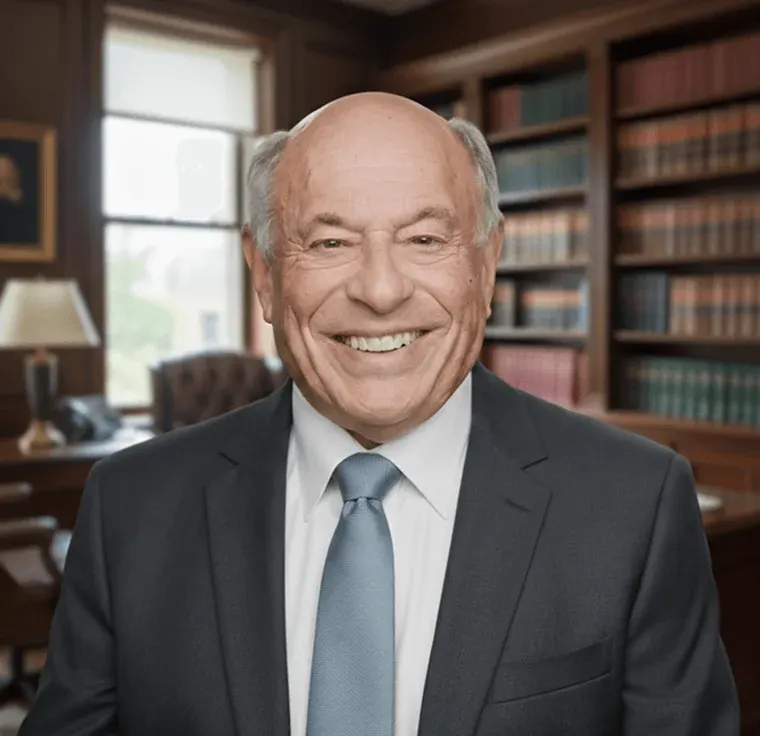
Paul H. Appel, Esq., business attorney, in his law library

Your attorney

Paul H. Appel, Esq.

Every matter at the firm is handled personally by Paul — the same attorney reads the documents, gives the advice and negotiates on your behalf.

Education
Columbia Law School, Juris Doctor (1967)
Experience
58+ years in commercial and business law
Focus for this matter
Drafting, reviewing and negotiating commercial agreements
Office
Freehold, NJ — serving Monmouth, Middlesex & Ocean Counties
More about Paul and the firm

Contact

Discuss Your Business Matter With Paul

Describe what the business is dealing with — a contract on your desk, a deal in progress, a dispute or a company you are about to form. You will hear back from the attorney who handles the work.

Start a conversation

Schedule a Free Consultation

Loading the secure consultation form… If it does not appear, call 917-748-6124 or email paul@paulappellaw.com.