

LLC Formation · Attorney Services

Why New Jersey Owners Form Their LLC With an Attorney, Not Just a Filing Service

An online service can put a certificate on file in minutes. It cannot tell you that your co-founder's half of the company comes with no obligation to keep working, or that the app you built still belongs to you personally. That is the work an attorney adds.

The real question

The filing is the easy part

Forming a New Jersey LLC requires one short public filing. Making the LLC protect and serve its owners requires decisions and documents the filing never asks about.

Online formation companies sell convenience and a low price, and for what they do — submitting the Certificate of Formation and perhaps acting as registered agent — they are often fine. The gap is everything after the filing. Their operating agreements are generic forms designed to fit anyone, which means they are built around nobody's actual arrangement, and they do not ask the questions that would reveal where your arrangement needs something specific.

Paul has been forming companies for New Jersey and New York clients for more than five decades. An attorney-led formation starts from your business: who the owners are, what each brings, how they expect to be paid, and what should happen if one of them leaves, dies, divorces or simply stops showing up. The documents are then written to match, as part of the firm's wider business formation practice.

Three business owners meeting in a bright office to plan their LLC formation, with papers on the desk

Side by side

Online filing service compared with attorney-led formation

TaskTypical online filing serviceAttorney-led formation
Certificate of FormationFiled from your form answersFiled after the structure and name are confirmed
Operating agreementGeneric template, if anyDrafted for your members, management and exit plans
Ownership and contributionsUsually not addressedRecorded, including non-cash contributions and any vesting
Founder intellectual propertyNot addressedAssigned to the company in writing
Tax classificationLeft to youDiscussed and coordinated with your accountant
Questions about your situationCustomer support, no legal adviceAnswered by the attorney drafting your documents

Where the value is

Three things an attorney adds to an LLC formation

Agreement

An operating agreement written for your business

Management authority, capital calls, distributions, transfer restrictions, deadlock and dissolution — the provisions that decide whether a disagreement becomes a lawsuit. How each is drafted is explained on the page about drafting an NJ operating agreement.
Ownership

A documented ownership structure

Who owns what, and why. When one member puts in cash and another contributes skill and time, the agreement needs to say how that sweat equity is earned and what happens to unvested interests if the working member leaves. Unrecorded handshake deals are a frequent source of member disputes.

Assets

Intellectual property owned by the company

Code, designs, recipes, a brand or a domain created before formation belong to the person who created them unless they are assigned. A written IP assignment puts those assets in the LLC, where investors, lenders and buyers expect to find them. Founders weighing a separate pre-formation agreement can read about founders agreements for NJ startups.

A fair answer

When filing it yourself is reasonable

Not every LLC needs extensive legal work. A single owner with a low-risk service business, no outside money and no intellectual property of note can file the certificate personally by following the State filing steps for a New Jersey LLC. Even then, a short written operating agreement is worth having: it helps show that the LLC is a separate entity, it tells a bank who can act for the company, and it can say what happens to the business if the owner becomes incapacitated or dies.

The calculation changes quickly when any of the following is true:

  • there is more than one owner, especially with unequal contributions;
  • the company will own valuable intellectual property or real estate;
  • investors, lenders or a franchisor are involved;
  • the business carries real liability exposure — customers on site, employees, vehicles;
  • an owner expects to bring in family members or a successor later.

In those situations the cost of a properly drafted formation is small next to the cost of untangling ownership after a falling-out, which is why the firm prices it as a flat fee set out in writing at the start.

Already filed online?

Repairing an LLC that was formed without counsel

Many clients come to the firm after forming an LLC themselves. The entity is usually sound; what is missing is the paperwork behind it.

  1. Review what exists

    Paul reviews the filed certificate, any template agreement, the EIN letter and how the business has actually been run.

  2. Confirm the real deal

    The members confirm, in a conversation, what they agreed about ownership, money and roles — including anything that has changed since filing.

  3. Replace or amend the agreement

    A new operating agreement, effective from a stated date, replaces the template; members sign it along with a consent ratifying earlier actions where appropriate.

  4. Close the gaps

    Missing IP assignments, contribution records and banking authorities are completed, and any filing errors are corrected with the State.

Questions & answers

LLC attorney questions

Is it worth hiring a lawyer to form an LLC?

It depends on what is at stake. For a single owner with little risk, the legal work is light and the fee correspondingly modest. For two or more owners, or a business with valuable assets, the operating agreement and ownership documents are where the real protection lies, and those are precisely what online services leave generic. The question to ask is what a dispute or a failed sale would cost without them.

Does a single-member LLC need an operating agreement?

New Jersey law does not require a written one, but having it is sensible. It helps demonstrate that the company is separate from you, gives banks and counterparties evidence of who may act, and can name someone to step in if you are incapacitated. It can also set out how a second member would be admitted, which avoids a scramble later.

Who should serve as our registered agent?

Many owners use a commercial registered agent service or their own business address, and either can work. What matters is that the agent has a New Jersey street address, is reliably there to accept legal papers and will forward them promptly. Paul will discuss the options with you during the engagement and make sure the State record is correct.

We already formed our LLC online. Does it need to be redone?

Usually not. The State filing is rarely the problem, so the entity can stay as it is. The fix is normally a properly drafted operating agreement, a consent ratifying what has been done so far, and the ownership and asset documents that were skipped. Re-forming the company is seldom necessary and can create its own complications.

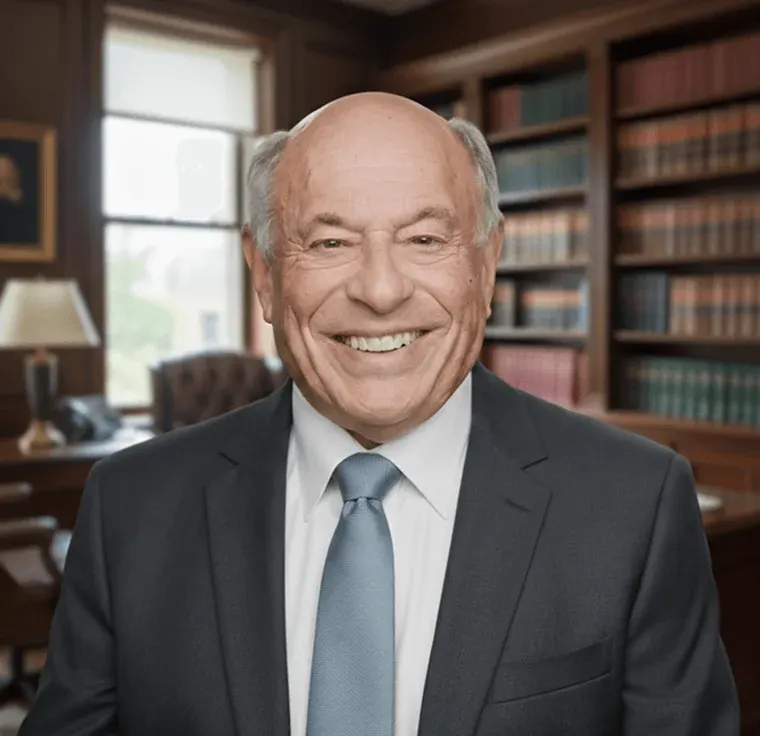
Paul H. Appel, Esq., business attorney, in his law library

Your attorney

Paul H. Appel, Esq.

Every matter at the firm is handled personally by Paul — the same attorney reads the documents, gives the advice and negotiates on your behalf.

Education
Columbia Law School, Juris Doctor (1967)
Experience
58+ years in commercial and business law
Focus for this matter
Entity formation, operating agreements, bylaws and governance records
Office
Freehold, NJ — serving Monmouth, Middlesex & Ocean Counties
More about Paul and the firm

Contact

Discuss Your Business Matter With Paul

Describe what the business is dealing with — a contract on your desk, a deal in progress, a dispute or a company you are about to form. You will hear back from the attorney who handles the work.

Start a conversation

Schedule a Free Consultation

Loading the secure consultation form… If it does not appear, call 917-748-6124 or email paul@paulappellaw.com.