
Franchise Law · New Jersey
Franchise Counsel That Sits on the Franchisee's Side of the Table
Every document in a franchise deal is written by the franchisor's lawyers. Paul H. Appel reviews, negotiates and enforces those documents for the people who sign them — single-unit buyers, growing operators and owners facing renewal or a dispute.
Who the firm represents
Independent advice for franchisees and multi-unit operators
The firm's franchise work is franchisee-side representation: people buying into a system, adding units, renewing, selling, or pushing back when the franchisor's demands go beyond what the agreement allows.
A franchise salesperson, a broker and the franchisor's development team all get paid when you sign. None of them is there to tell you that the territory is smaller than it sounds, that the renewal clause lets the franchisor rewrite the deal in ten years, or that your house is on the line through a personal guarantee. That job belongs to a lawyer who answers only to you.
Paul has practiced commercial and business law since 1967 and handles every matter personally. For franchise clients that means one senior attorney reads the whole Franchise Disclosure Document, the agreement and every addendum, talks with your accountant and lender, and stays on the file through opening day and beyond.
Clients include first-time buyers leaving corporate careers (the firm's guide to buying a franchise in New Jersey is written for them), existing small-business owners converting to a brand, and multi-unit operators building a portfolio across Monmouth, Middlesex and Ocean Counties.
This page describes the firm's franchise services in general terms. Whether a particular law or clause helps you depends on your documents and facts, so treat it as orientation rather than advice on your franchise.

Services by stage
Where franchisees bring in counsel
A franchise relationship often runs ten years or more. Legal needs change as it moves from evaluation to operation to exit.
Evaluating an opportunity
A close reading of the disclosure document — litigation history, fees, outlet turnover, financial statements and any earnings claims — before money changes hands.
FDD reviewNegotiating terms
Targeted requests on territory, opening deadlines, guarantees and transfer rights, documented in an addendum rather than a handshake.
Franchise negotiationSetting up the unit
Forming the operating entity, reviewing the site lease and the franchisor's lease rider, and organizing the ancillary documents a lender will ask for.
Lease reviewGrowing to multiple units
Development agreements, schedules, cross-default clauses and how to structure ownership as the portfolio grows.
Multi-unit counselProblems mid-term
Default notices, disputed audits, mandatory remodels and a new location opening too close to yours.
Franchisee rightsRenewal, sale or exit
Renewal conditions, transfer approvals, resale contracts and what happens when the franchisor refuses to renew.
Termination and non-renewal
Why it matters
Disclosure is not the same as a fair deal
Two bodies of law shape almost every New Jersey franchise. Before signing, the FTC Franchise Rule requires the franchisor to hand over a disclosure document with 23 standard items, at least 14 calendar days before you sign a binding agreement or pay. That rule makes sure you receive information; it does not make the terms reasonable or the numbers achievable.
After signing, the New Jersey Franchise Practices Act can protect qualifying franchisees against termination, cancellation or non-renewal without good cause and without proper written notice. It applies only to franchises that meet its place-of-business and sales thresholds, and it does not rewrite the economics of a bad bargain.
Between those two regimes sits the agreement itself — usually a long form contract plus an operations manual the franchisor can change. Most of the protection a franchisee will ever have comes from understanding that contract and improving it where possible before signing.
- What you will pay: initial fee, royalties, marketing contributions, technology charges and required purchases
- What you are buying: the territory, the brand license and the support actually promised in writing
- What you are risking: guarantees, lease liability, post-term restrictions and the cost of a dispute
If you have not yet signed, the firm's guide on what to check before signing a franchise agreement is a useful starting list.
The document set
The paperwork in a typical franchise deal
Franchisees often focus on the franchise agreement and overlook the documents around it. Each one carries obligations.
| Document | Who drafts it | What the firm checks |
|---|---|---|
| Franchise Disclosure Document | Franchisor | Litigation, fees, turnover, audited financials, earnings claims |
| Franchise agreement | Franchisor | Term, territory, renewal, transfer, default and cure, dispute forum |
| Development or multi-unit agreement | Franchisor | Schedule, exclusivity, cross-default, what happens if you fall behind |
| Personal guaranty | Franchisor | Scope, duration, caps and release on transfer |
| Lease and lease rider | Landlord and franchisor | Use clause, term matching, assignment to franchisor, guarantee |
| Entity and ownership documents | Your counsel | Ownership split, transfer restrictions, consent to franchisor approval rules |
Ownership documents matter more than many buyers expect: franchisors usually require approval for changes among the owners, so the operating agreement has to work alongside the franchise agreement.
Working with the firm
How a franchise engagement usually runs
Send the documents
Forward the disclosure document, the draft agreement and any addenda or development agreement. A short note on your goals and timeline helps.
Agree scope and fee
You receive the scope and the fee in writing before work begins. Document review of this kind is generally contract work suited to a fixed fee.
Plain-English findings
Paul walks you through the terms that carry real risk, the points worth asking for, and questions to put to existing franchisees and your accountant.
Negotiate and close
Where you choose to negotiate, the firm prepares the requests and deals with the franchisor's counsel, then reviews the final documents before you sign.
Stay available
Many clients return for lease renewals, additional units, default notices or a sale. The same attorney already knows the file.
Questions & answers
Franchise counsel — common questions
Does a franchisee really need its own lawyer if the franchisor provides the documents?
The franchisor's documents are written to protect the franchisor and the system. They are lawful and often carefully drafted, but nobody on that side is responsible for explaining how they affect you. An independent review costs a small fraction of the total investment and is the only point at which terms can realistically be improved.
When should I contact a franchise attorney?
Ideally as soon as you receive the disclosure document, so the 14-day waiting period can be used for review rather than spent waiting. Contacting counsel before you pay a deposit or sign a reservation agreement is better still, because those preliminary documents sometimes contain their own commitments.
Can you help a franchisee who has been operating for years?
Yes. Established franchisees bring renewal offers, transfer applications, audits, remodel demands and default notices. The analysis starts with the agreement you actually signed and any amendments, then considers whether New Jersey law adds protections the contract does not mention.
Will you coordinate with my accountant and lender?
Yes. A franchise purchase usually involves an accountant checking the projections and a lender underwriting the deal, and both care about the same documents. Paul speaks with them directly so that the entity structure, the guaranty and the lease terms line up with the financing, and so you are not passing technical questions back and forth between advisers.
Explore
Every Franchise Agreements topic we cover
Each guide below answers a narrower question within this practice area.
Your attorney
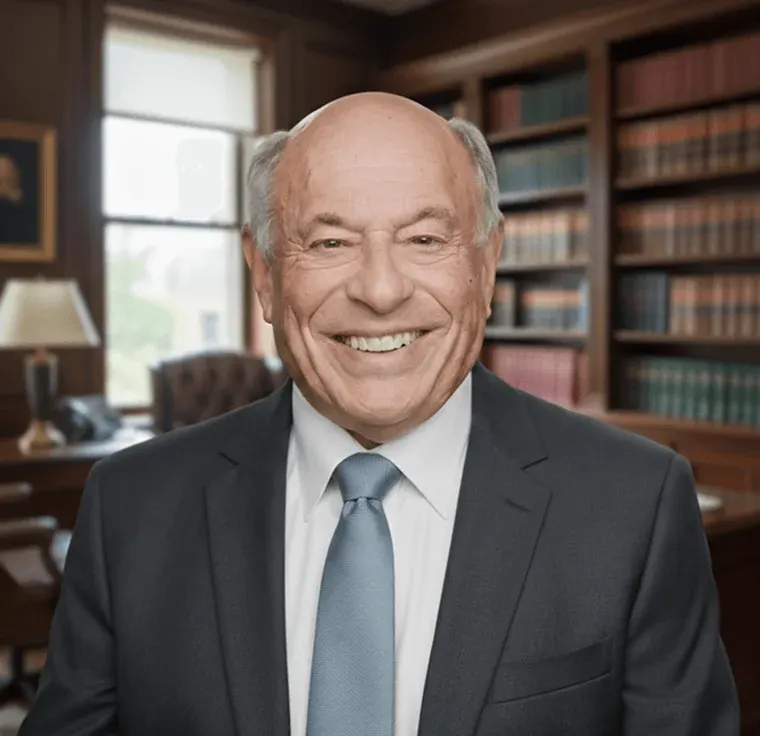
Paul H. Appel, Esq.
Every matter at the firm is handled personally by Paul — the same attorney reads the documents, gives the advice and negotiates on your behalf.
- Education
- Columbia Law School, Juris Doctor (1967)
- Experience
- 58+ years in commercial and business law
- Focus for this matter
- Franchise disclosure review and franchise agreement negotiation
- Office
- Freehold, NJ — serving Monmouth, Middlesex & Ocean Counties
Contact
Discuss Your Business Matter With Paul
Describe what the business is dealing with — a contract on your desk, a deal in progress, a dispute or a company you are about to form. You will hear back from the attorney who handles the work.
- Phone917-748-6124
- Office11 Crestwood Drive, Freehold, NJ 07728
- ConsultationsBy phone, video or in person by appointment
Start a conversation