
Virtual General Counsel · New Jersey
An Outside General Counsel for New Jersey Businesses, on a Monthly Retainer
Large companies keep a lawyer down the hall. Virtual general counsel gives a smaller business the same habit — a senior attorney who knows the company and answers questions before they turn into problems.
The service
What virtual general counsel means in practice
Virtual general counsel is an ongoing relationship with one business lawyer who acts as your company's legal department, paid through a monthly retainer rather than a fresh engagement for every question.
The word "virtual" describes how the work is delivered, not its depth. Most matters are handled by phone, video and email, and you can meet in person at the Freehold office by appointment. What changes is continuity: the attorney already has your operating agreement, your key contracts and the history of past decisions, so each new question starts from context rather than from zero.
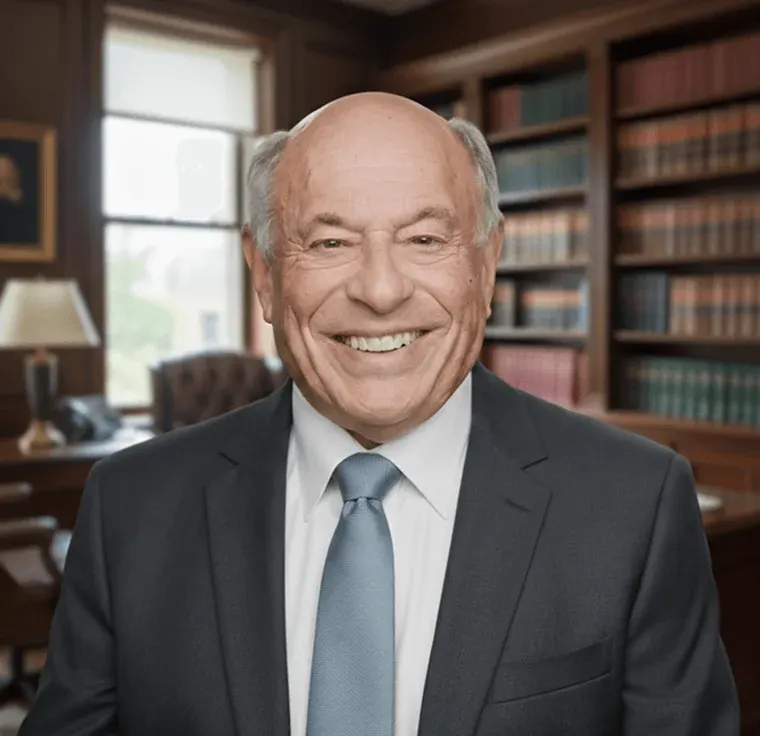
Owners use the arrangement for the steady flow of legal work that a running business generates — reviewing a supplier's terms, checking whether a new hire should be an employee, responding to a demand letter, planning an expansion. Paul has advised businesses since 1967 and handles every retained client personally.
The motto on the firm's home page sums up the reasoning: the costly legal questions are the ones you don't ask. A retainer removes the hesitation that keeps owners from asking.
What's covered
The work a virtual general counsel typically handles
The exact scope is agreed for each client. These are the areas most retainers draw on.
Contracts
Drafting, reviewing and negotiating customer, vendor, lease and service agreements as they arrive.
Contract servicesEveryday questions
Quick, informed answers to the operational legal questions that come up week to week.
Day-to-day questionsCompliance
Keeping filings, registrations, employment rules and policies current as the business changes.
Compliance supportGovernance
Owner consents, minutes, ownership changes and the records that keep the entity in good order.
Disputes
Early assessment of a claim or demand, negotiation, and coordination if mediation or arbitration follows.
Growth decisions
Legal input on new locations, acquisitions, partnerships and major hires before commitments are made.
Fit
Businesses that get the most out of a retainer
Virtual general counsel suits companies that have outgrown occasional legal help but are nowhere near needing a full-time in-house lawyer. Typical clients sign several contracts a month, employ staff, and make decisions where an hour of legal input could change the outcome.
- Established small businesses with recurring customer and vendor contracts
- Contractors and construction firms managing subcontractors and payment terms
- Franchisees and multi-unit operators juggling leases and franchisor requirements
- Professional practices that want policies and agreements kept current
- Family businesses where governance and succession questions arise regularly
If you only have one question, or legal needs that arise once or twice a year, a one-time business law consultation is usually a better fit than a retainer.
Getting started
How a virtual general counsel engagement begins
Initial review
Paul learns the business: ownership, key contracts, staffing, pending issues and plans for the coming year.
Scope and fee
Together you define what the retainer covers and what would be quoted separately, using the scope menu of general counsel functions as a starting point. Both are confirmed in a written engagement letter.
Baseline clean-up
Any urgent gaps found in the review — an unsigned agreement, an outdated template, a missed filing — are prioritized first.
Ongoing counsel
From then on you contact Paul directly as questions arise, and the relationship adjusts as the business grows.
The working relationship
What retained clients can expect day to day
The details are set in each engagement letter, but these principles apply to every virtual general counsel client.
- Direct access to Paul by phone, email or video — not a call center or a rotating associate
- A written scope and fee agreed before the retainer starts, revisited when the business changes
- Advice in plain English, with the practical trade-offs explained rather than only the legal rule
- Coordination with your accountant, insurance broker and other advisers when an issue crosses disciplines
- Honest notice when a question has grown into a separate project, with a quote before that work begins
- Periodic review of contracts and policies so documents keep pace with the business
The relationship works best when owners treat it as a standing line to counsel: the earlier a question is raised, the more options remain open.
Alternatives
How virtual general counsel compares
| Option | Continuity | Cost pattern | Best for |
|---|---|---|---|
| Hiring counsel case by case | Starts fresh each time | Unpredictable, often reactive | Rare, isolated legal needs |
| Virtual general counsel | Ongoing knowledge of the business | Predictable monthly retainer | Regular contracts, staff and decisions |
| Full-time in-house lawyer | Complete | Salary, benefits and overhead | Large organizations with constant legal volume |
For more on how retainers are structured and what affects them, see the cost of virtual general counsel. The blog also compares virtual general counsel with hourly and in-house options.
Questions & answers
Virtual general counsel — what owners ask first
What does a virtual general counsel actually do?
The same things an in-house lawyer would do for a small company: review and draft contracts, answer legal questions as they come up, keep governance and compliance in order, and assess disputes early. The difference is that the attorney is outside the business and retained monthly rather than employed.
Is virtual general counsel right for a small business?
It fits when legal questions arise often enough that hesitating over each bill becomes a habit. If you sign contracts regularly, employ people and are making growth decisions, a retainer usually makes sense. If legal needs are rare, occasional consultations may serve you better.
How is it different from calling a lawyer when something goes wrong?
Reactive counsel starts each matter by learning your business, usually after the problem has already developed. A retained general counsel already knows your documents and history, and is consulted before you sign or act, which is when legal advice has the most effect.
Do I have to meet in person?
No. Most retained work is handled by phone, video and email. In-person meetings at the Freehold office are available by appointment for clients who prefer them or for matters that benefit from sitting down together.
Explore
Every Virtual General Counsel topic we cover
Each guide below answers a narrower question within this practice area.
Your attorney
Paul H. Appel, Esq.
Every matter at the firm is handled personally by Paul — the same attorney reads the documents, gives the advice and negotiates on your behalf.
- Education
- Columbia Law School, Juris Doctor (1967)
- Experience
- 58+ years in commercial and business law
- Focus for this matter
- Ongoing outside general counsel on a monthly retainer
- Office
- Freehold, NJ — serving Monmouth, Middlesex & Ocean Counties
Contact
Discuss Your Business Matter With Paul
Describe what the business is dealing with — a contract on your desk, a deal in progress, a dispute or a company you are about to form. You will hear back from the attorney who handles the work.
- Phone917-748-6124
- Office11 Crestwood Drive, Freehold, NJ 07728
- ConsultationsBy phone, video or in person by appointment
Start a conversation