
Virtual General Counsel · Scope

The Scope Menu: What Outsourced General Counsel Can Cover, Function by Function

A retainer is only as useful as its scope. This page lays out the legal functions an outside general counsel can take on, so you can choose the ones your business actually needs.

How to read this menu

Pick functions, not a fixed bundle

In-house legal departments are organized around functions: commercial contracts, employment, regulatory compliance, disputes, corporate records and strategic projects. An outsourced general counsel arrangement can be scoped the same way. Some clients retain the firm for one or two functions; others want broad coverage across the business.

Each function below lists the kind of work it includes. When the engagement is set up, you and Paul decide which functions fall inside the monthly retainer, which are handled on a separate flat fee, and which — such as a large transaction — are scoped as their own project. That written scope is what keeps the relationship predictable.

Thinking in functions also makes gaps visible. An owner who has always called a lawyer about contracts may never have had anyone look at how workers are classified or whether the company's records reflect the last ownership change. Laying out the whole menu, even if you only choose part of it, is a quick way to see where unmanaged legal risk sits.

For an overview of the service as a whole, start with the virtual general counsel practice page.

The menu

Six legal functions an outside GC can run

Function 1

Commercial contracts

Reviewing inbound customer and vendor paper, drafting your own contract templates, negotiating key terms such as indemnity and limitation of liability, and tracking renewal dates. Larger negotiations can draw on the firm's contract drafting and negotiation work.

Function 2

People and employment

Offer letters, contractor classification under New Jersey's ABC test, restrictive covenants, handbook updates and guidance on discipline or separation before action is taken.

Function 3

Compliance

Calendaring state filings, monitoring licenses and registrations as part of month-to-month compliance support, and checking that policies reflect current New Jersey requirements as the business adds staff or locations.

Function 4

Disputes and claims

Assessing demand letters and threatened claims, negotiating early resolutions, and managing mediation or arbitration. Contested litigation is generally scoped separately.

Function 5

Governance and records

Member and shareholder consents, minutes, ownership transfers, officer changes and keeping the company's records consistent with how it actually operates.

Function 6

Strategy and growth

Legal input on expansion, new product lines, joint ventures, buying a competitor or preparing for a sale — before the business is committed.

Business managers reviewing contracts and policies at a desk with their outside general counsel

Scoping

Inside the retainer, or quoted separately?

Every engagement letter draws this line differently. This table shows how the decision is commonly approached.

Type of workUsually inside the retainerOften scoped separately
Contract reviewRoutine customer and vendor agreementsComplex, heavily negotiated or unusual contracts
EmploymentQuestions, offer letters, policy guidanceA full handbook rewrite
ComplianceMonitoring and reminders, quick reviewsA formal compliance audit
DisputesEarly assessment and negotiationLitigation or a full arbitration
TransactionsPreliminary advice on a potential dealAcquisitions, sales and financings

Separately scoped projects are still handled by the same attorney, so the knowledge built up under the retainer carries over. For example, retained clients exploring a purchase can move straight into acquisition support from their general counsel.

Sample configurations

How different businesses tend to build their scope

Illustrations only — every business sets its own mix.

  • Service company with steady clients

    Contracts and everyday questions, with governance added for an annual tidy-up of records.

  • Growing employer

    People and employment as the core function, with compliance monitoring as headcount rises.

  • Owner planning an exit

    Governance and strategy, with contract clean-up so the business is easier to sell.

Choosing your functions

Questions to answer before setting the scope

  • How many contracts does the business sign or renew each month?
  • How many employees and contractors do you have, and is that changing?
  • Do you hold licenses or registrations that must be renewed?
  • Are any disputes, demands or unpaid invoices currently open?
  • Are you planning a significant move in the next year — a new location, partner, purchase or sale?

Your answers point to which functions carry the most value. The mechanics of the arrangement itself are explained on the monthly legal retainer page.

Questions & answers

Scope questions from prospective clients

What services can be included in an outsourced general counsel engagement?

Any of the functions a small company's legal department would handle: commercial contracts, employment matters, compliance, early dispute work, governance records and legal input on strategy. The engagement letter lists which functions sit inside the retainer and which are scoped separately.

Does outsourced general counsel include litigation?

Early dispute work — evaluating a claim, responding to a demand, negotiating a settlement — commonly falls inside the scope. Full litigation or arbitration usually requires a separate engagement, because its time demands are unpredictable. The firm emphasizes negotiation, mediation and arbitration as ways to resolve business disputes.

Can I add functions later?

Yes. Many clients start narrow, often with contracts and everyday questions, and add employment or compliance work as the business grows. Changes to scope are documented in writing so both sides know what the retainer covers at any point.

Is HR advice part of general counsel work?

Legal questions about hiring, classification, policies and separations are a core general counsel function. Administrative HR tasks such as payroll processing or benefits enrollment are not legal work and remain with your HR provider or accountant.

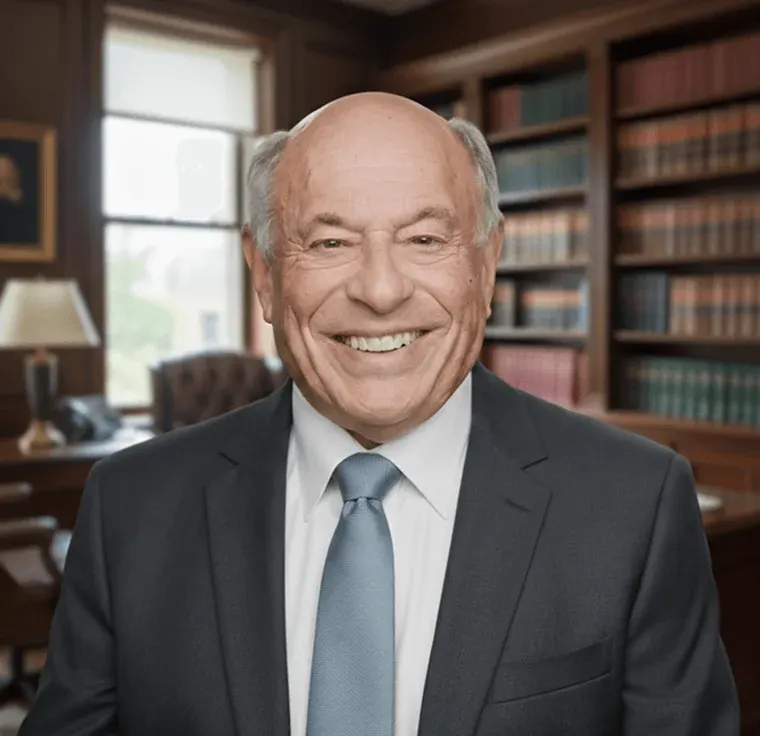
Paul H. Appel, Esq., business attorney, in his law library

Your attorney

Paul H. Appel, Esq.

Every matter at the firm is handled personally by Paul — the same attorney reads the documents, gives the advice and negotiates on your behalf.

Education
Columbia Law School, Juris Doctor (1967)
Experience
58+ years in commercial and business law
Focus for this matter
Ongoing outside general counsel on a monthly retainer
Office
Freehold, NJ — serving Monmouth, Middlesex & Ocean Counties
More about Paul and the firm

Contact

Discuss Your Business Matter With Paul

Describe what the business is dealing with — a contract on your desk, a deal in progress, a dispute or a company you are about to form. You will hear back from the attorney who handles the work.

Start a conversation

Schedule a Free Consultation

Loading the secure consultation form… If it does not appear, call 917-748-6124 or email paul@paulappellaw.com.