
Middlesex County · New Jersey
Legal Counsel for Middlesex County's Industrial and Professional Economy
Middlesex sits where the Turnpike, Route 1, Route 18 and Interstate 287 meet, and its businesses move goods, make products and sell expertise. Paul H. Appel represents those companies from Freehold, one county south, by phone, video and in-person meetings.
- Serving Middlesex County businesses
- 58+ years of commercial law
- Flat fees and written scopes
Request a Consultation
Explain the contract, transaction or dispute your Middlesex County company is dealing with, and Paul will tell you how he would approach it.
Request a ConsultationThe county at a glance
A county built on corridors, warehouses and a major university
Middlesex County's economy is shaped by its location between New York and Philadelphia. Highway and rail corridors carry freight to distribution buildings, while New Brunswick — the county seat and home of Rutgers University — anchors professional, research-adjacent and service businesses.
Drive the New Jersey Turnpike through Woodbridge, Edison, Carteret and South Brunswick and the pattern is obvious: warehousing, distribution and light industrial space dominate. Route 1 adds retail, offices and service businesses through Edison, North Brunswick and the Plainsboro area, and Route 18 links New Brunswick with East Brunswick and Old Bridge. Older industrial towns along the Raritan River and Raritan Bay, such as Perth Amboy and Sayreville, mix manufacturing with small owner-operated firms.
That mix produces a contract-heavy practice. Middlesex companies tend to need well-drafted supply, service and lease agreements more often than they need courtroom work, and the firm's experience is concentrated precisely there.
Industry by industry
Typical Middlesex businesses and the legal documents they live by
The examples below are illustrative. Most companies fit more than one row, and every engagement starts with the documents you actually have.
| Business type | Documents that matter most | Common pressure point |
|---|---|---|
| Warehousing and third-party logistics | Warehouse leases, storage and handling agreements, carrier contracts | Who bears the loss when goods are damaged or delayed |
| Manufacturers and fabricators | Supply agreements, purchase-order terms, equipment financing | Conflicting terms on purchase orders and invoices |
| Technology and software firms | Licensing agreements, customer terms of service, contractor agreements | Ownership of code and work product created by contractors |
| Vendors to research and healthcare institutions | Master service agreements, confidentiality agreements, insurance requirements | Indemnity and insurance obligations imposed by large customers |
| Professional practices | Partnership or operating agreements, office leases, employment contracts | What happens when a partner leaves or retires |
| Restaurants and retail | Commercial leases, franchise agreements, vendor contracts | Personal guarantees and renewal terms in the lease |
Companies whose work centers on vendor, licensing and lease terms will find a deeper treatment on the firm's page about Middlesex County commercial contracts.
Core services
How the firm supports Middlesex County companies
Forming and organizing the entity
Choosing the entity, filing with the state and drafting the operating agreement or bylaws that govern owners — particularly important for founders spinning out of university or corporate research environments.
Entity formationCommercial contracts
Drafting, reviewing and negotiating the agreements a company signs with customers, suppliers, landlords and contractors, with terms enforceable under New Jersey law.
Contract servicesAcquisitions and sales
Buying a competitor, a supplier or a book of customers, or selling your own company, with due diligence and purchase agreements sized to the deal.
Middlesex acquisitions
Working across county lines
What an engagement looks like from Freehold
Freehold is a straightforward drive from most of Middlesex County, but the bulk of the work never requires one.
Initial conversation
A phone or video call to understand the company, the issue and the timeline. If the matter needs a different kind of lawyer, Paul will say so.
Scope in writing
You receive a written description of the work and the fee — flat, retainer or, where the work genuinely calls for it, hourly — before anything starts.
Document review and drafting
Contracts, leases and governance documents are exchanged electronically and returned with redlines and plain-English notes.
Ongoing availability
Companies with a steady flow of agreements can move to a monthly retainer so questions are answered as they arise rather than in a backlog.
Growing companies
When contracts arrive faster than anyone can read them
A recurring story in Middlesex County: a company grows from a handful of customers to dozens, and each new customer sends its own paper. Purchase orders, master agreements and vendor onboarding forms pile up, and the operations manager signs them because the shipment has to go out. Months later a dispute reveals that the company agreed to unlimited indemnity or to a customer's choice of forum in another state.
The fix is rarely dramatic. It usually involves a standard set of company terms, a short list of clauses that must always be reviewed, and a lawyer on call for the agreements that fall outside the standard. That is the model behind the firm's virtual general counsel retainer, and it suits many mid-sized Middlesex businesses better than either hiring in-house counsel or calling a firm only in emergencies.
The directory below lists the Middlesex County communities with their own pages. For an overview of all three counties the firm serves, see the areas we serve page.
Questions & answers
Questions from Middlesex County businesses
Your office is in Freehold. Do you really work with Middlesex County companies?
Yes. Middlesex is one of the three counties at the core of the practice, alongside Monmouth and Ocean. Most contract, entity and transaction work is handled by phone, video and email, and when an in-person meeting makes sense, clients meet Paul at the Freehold office by appointment.
We are a small logistics company. What should we have a lawyer look at first?
Usually the warehouse lease and the customer agreements that set your liability for lost or damaged goods. Those two documents tend to carry the largest exposure. After that, carrier and subcontractor agreements and the classification of any drivers or workers paid as contractors deserve a review under New Jersey's ABC test.
Can you help a founder starting a company near Rutgers?
Yes. Early-stage founders often need an entity, a founders' or operating agreement that addresses ownership of the idea and any code, and confidentiality and contractor agreements. If the work grew out of a university or employer setting, any agreements with that institution should be reviewed before the company is formed.
Local pages
Middlesex County communities we serve
Business law services are available to companies in every Middlesex County municipality. Choose a community for local guidance.
Business law services by town
- Carteret
- Cranbury Township
- Dunellen
- East Brunswick Township
- Edison Township
- Helmetta
- Highland Park
- Jamesburg
- Metuchen
- Middlesex Borough
- Milltown
- Monroe Township
- New Brunswick
- North Brunswick Township
- Old Bridge Township
- Perth Amboy
- Piscataway Township
- Plainsboro Township
- Sayreville
- South Amboy
- South Brunswick Township
- South Plainfield
- South River
- Spotswood
- Woodbridge Township
Business legal solutions guides
More about Middlesex County
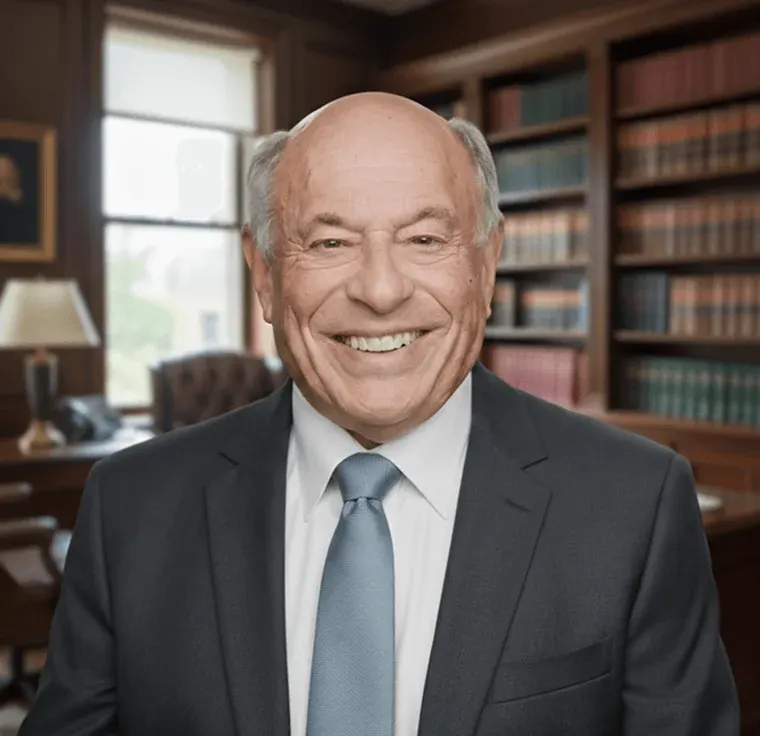
Your attorney
Paul H. Appel, Esq.
Every matter at the firm is handled personally by Paul — the same attorney reads the documents, gives the advice and negotiates on your behalf.
- Education
- Columbia Law School, Juris Doctor (1967)
- Experience
- 58+ years in commercial and business law
- Focus for this matter
- Commercial and business law for owner-run companies
- Office
- Freehold, NJ — serving Monmouth, Middlesex & Ocean Counties
Contact
Talk to Paul About Your Business
Describe what the business is dealing with — a contract on your desk, a deal in progress, a dispute or a company you are about to form. You will hear back from the attorney who handles the work.
- Phone917-748-6124
- Office11 Crestwood Drive, Freehold, NJ 07728
- ConsultationsBy phone, video or in person by appointment
Start a conversation