Startups
Formation and founders' terms in one package
Entity choice, the state filing, an operating agreement or bylaws, and vesting or buyback terms among co-founders are handled together under a flat-fee startup legal package.
The Law Offices of Paul H. Appel – Your Trusted Business Law Partner in New Jersey

Middlesex County · New Jersey
With Rutgers' Busch and Livingston campuses inside the township and office parks along Interstate 287, Piscataway produces more early-stage companies than most Middlesex towns. Paul H. Appel helps them start on solid legal footing and stay there as they grow.
Business character
Piscataway is a Middlesex County township that holds a large part of Rutgers University — the Busch and Livingston campuses — along with corporate offices, laboratories and light industry near Interstate 287.
That combination attracts founders, software and engineering consultancies, and small companies that sell services to research organizations and larger corporations. Their legal questions center on who owns the idea, how customers are allowed to use the product, and how to bring in collaborators without giving away more than intended.
Clients in Piscataway work with the firm remotely in most cases — calls, video meetings and shared drafts — and meet Paul at his Freehold office by appointment when they want to talk in person. The firm keeps no office in the township.

Practice areas
Startups
Entity choice, the state filing, an operating agreement or bylaws, and vesting or buyback terms among co-founders are handled together under a flat-fee startup legal package.
Confidentiality
Early talks with potential partners, investors or manufacturers should be covered by an NDA that defines confidential information sensibly and sets a realistic duration.
Licensing
A licensing agreement controls what customers may do with your software, data or designs, limits your liability and protects ownership of improvements. See licensing agreements.
Contractors
Freelance developers and designers should sign terms that assign their work product to the company. New Jersey's ABC test also governs whether they are truly contractors for wage and unemployment purposes.
A founder's first months
Every company is different, but this sequence avoids the most common early mistakes.
If the idea grew out of university research or a current job, review any agreements with that institution or employer before forming the company.
File the formation document, then record ownership, roles, vesting and what happens if a founder leaves.
Every founder and early contributor assigns relevant code, designs and inventions to the company in writing.
Use a customer agreement or license before delivering anything, even for a pilot or discounted trial.
Working with institutions
Small Piscataway vendors that supply research labs, hospitals or corporate campuses often receive a long master agreement and are told it is standard. Some of it is. But these documents can include broad indemnities, insurance levels well above what a small company carries, and payment terms that stretch cash flow.
Paul reviews those agreements, identifies the handful of clauses worth pushing back on, and drafts proposed changes that a procurement department is likely to accept. If your company signs these regularly, a virtual general counsel retainer keeps reviews moving without a backlog.
Questions
Often, yes, but the first step is to read any agreements or policies that apply to the work. Universities and employers frequently have rules about inventions created with their resources or during employment. Knowing where you stand before forming the company avoids disputes over ownership later. The firm can review the relevant documents and explain the options, though the institution's own office has the final word on its policies.
Without a written assignment, the contractor may keep rights in what they wrote, even if you paid for it. A contractor agreement should state that the work product belongs to the company and include an assignment of intellectual property. Fixing this before an investor or buyer asks is much easier than fixing it afterwards.
At a minimum: a formed entity with an operating agreement or bylaws, intellectual property assignments from founders and contractors, an NDA template, and a customer agreement or license. A privacy policy matters if you collect personal data. The Middlesex County overview describes the wider services available to county businesses.
Nearby
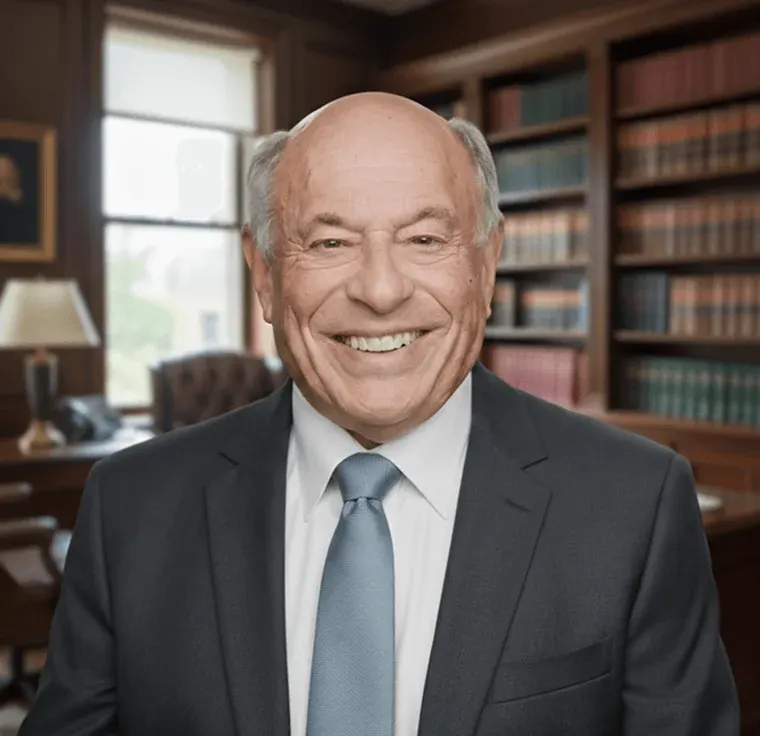
Your attorney
Every matter at the firm is handled personally by Paul — the same attorney reads the documents, gives the advice and negotiates on your behalf.
Contact
Describe what the business is dealing with — a contract on your desk, a deal in progress, a dispute or a company you are about to form. You will hear back from the attorney who handles the work.
Start a conversation