
Contracts · Licensing
Licensing Agreements That Let You Earn From Your IP Without Giving It Away
A license is permission, not a sale — and the contract decides exactly how much permission. Paul H. Appel drafts, reviews and negotiates brand, software, content and technology licenses for licensors and licensees in New Jersey.
Why the grant clause matters
Ownership stays put; the license defines who may do what with it
Every licensing agreement answers four questions: what property is covered, what the licensee may do with it, where and for how long, and what the licensor receives in return.
Owners often underestimate how much rides on a few lines of text. A grant that says the licensee may "use" a recipe, a logo or a code library leaves open whether it may also modify it, sublicense it to a franchise network, sell products made with it online, or keep using it after the relationship ends. Each of those gaps becomes a negotiation later, usually at the worst moment.
On the licensor side, the goal is to monetise intellectual property while keeping control of it. On the licensee side, it is to secure rights broad enough to build a product line or a service around, with confidence that the licensor actually owns what it is licensing. The firm represents both sides and drafts with the other side's likely objections in mind.
Intellectual property ownership — registrations, assignments from employees and contractors, open-source obligations — is a separate question from the license itself. If ownership is uncertain, that is resolved first.
Anatomy of a grant
The variables a license must pin down
These terms interact. Loosening one, such as territory, often means tightening another, such as field of use or minimum royalties.
| Term | What it controls | What usually gets negotiated |
|---|---|---|
| Scope of use | Which acts are permitted: use, copy, modify, distribute, sublicense | Whether derivatives belong to the licensor or licensee |
| Exclusivity | Whether anyone else, including the owner, may use the same rights | Performance targets the licensee must hit to keep exclusivity |
| Territory and field | Geography, sales channels and product categories | Online sales, adjacent product lines, future markets |
| Term and renewal | How long rights last and whether they renew | Automatic renewal versus renewal on meeting targets |
| Consideration | Upfront fee, running royalty, minimums or a mix | Royalty base, deductions, reporting and audit rights |
| Termination effects | What happens to inventory, customers and copies at the end | Sell-off periods and wind-down obligations |
Writing these terms precisely is the core of the work; the boilerplate around them matters less than most templates suggest.
Matters the firm takes on
Types of licensing agreements
Each kind of property carries its own legal baggage, so a software template should not be adapted for a brand deal.
Trademark and brand licenses
Letting a manufacturer, distributor or affiliate sell under your name, with standards that protect the mark's reputation and legal strength.
Software and SaaS terms
End-user, enterprise and reseller licenses; usage limits, uptime commitments, data handling and what happens to customer data on exit.
Content and media
Photography, written content, training materials and recorded media licensed for marketing, publication or resale.
Technology and know-how
Processes, formulas and technical methods licensed to a manufacturer or partner, usually paired with strict confidentiality terms.
Inbound licenses you are signing
Reviewing a vendor's or rights-holder's form before you build your product or marketing around it.
Licenses inside larger deals
License-back arrangements when a business is sold or restructured and one party still needs the IP after closing.
IP in acquisitions
Two points owners often miss
Quality control for brands, and the royalty base for everyone
A trademark owner that lets others use its mark without meaningful oversight risks what courts call a naked license — licensing without control — which can weaken or, in serious cases, forfeit trademark rights. A well-drafted brand license therefore gives the licensor approval rights over products and marketing, a right to inspect, and a way to terminate for repeated quality failures. Licensees should expect these clauses and negotiate for reasonable, objective standards rather than unlimited discretion.
Royalty disputes almost always trace back to an ambiguous definition of what the percentage applies to. Gross sales, net sales after returns and discounts, or a per-unit figure each produce different numbers, and the agreement should say which deductions are allowed, when statements are due, and how an audit works if the licensor questions the figures.
- Define net sales line by line rather than relying on accounting convention
- Set minimum annual royalties if exclusivity is granted
- Specify reporting format, payment timing and late-payment interest
- Give the licensor audit rights with a cost-shifting trigger for material underpayment
Where patents are involved, federal law limits how royalties can be structured after a patent expires, so patent licenses need separate attention. Confidentiality around know-how is usually handled within the license or alongside a standalone non-disclosure agreement.
Before the first draft
What to have ready for a licensing review
Licensors and licensees need slightly different material, but this list covers most engagements.
- Proof of ownership: registrations, applications, or assignments from whoever created the work
- A plain description of the intended use, products and sales channels
- Any existing licenses to the same property, so new grants do not conflict
- Your target economics: fee, royalty rate, minimums and payment schedule
- The other party's draft, if it has sent one
- How you want the relationship to end, including leftover inventory
Licensing is one corner of the firm's broader contract drafting and negotiation practice; the same intake approach applies to every agreement.
Questions & answers
Licensing agreements — common questions
What is the difference between an exclusive and a non-exclusive license?
A non-exclusive license lets the owner grant the same rights to others. An exclusive license promises that nobody else — sometimes including the owner — will receive those rights within the defined territory and field. Because exclusivity has real value, licensors usually ask for higher royalties or minimum performance in return, and the agreement should say what happens if those minimums are missed.
Can a trademark owner lose rights by licensing the brand carelessly?
It is possible. Trademark law expects the owner to control the quality of goods and services sold under the mark. A license with no meaningful standards, inspections or approval rights can undermine the mark's strength and has, in some cases, led to loss of rights. Building in practical quality-control provisions protects the brand without making the license unworkable.
How are royalties usually calculated in a license agreement?
Common approaches are a percentage of net sales, a fixed amount per unit sold, a flat periodic fee, or a combination with an annual minimum. The method matters less than the definitions behind it: what counts as a sale, which deductions are allowed, and how and when the licensee reports. Clear definitions prevent most royalty disputes.
Can a licensee transfer its license if it sells the business?
Only if the agreement allows it or the licensor consents. Many licenses are personal to the licensee and prohibit assignment, and some treat a change in the licensee's ownership as a transfer. Buyers of a business that depends on a licensed brand or software should check this clause early, because a refusal can remove much of what they thought they were buying.
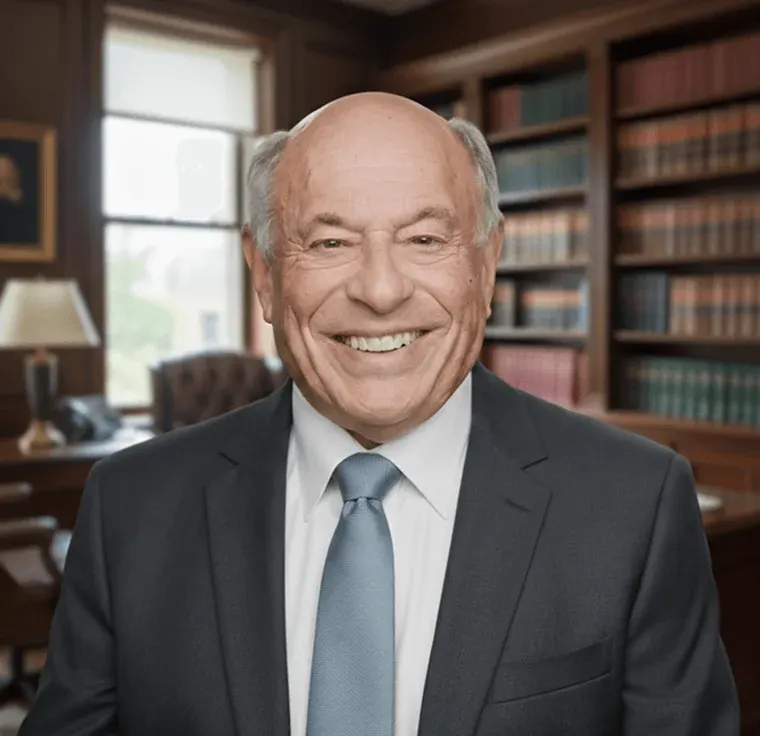
Your attorney
Paul H. Appel, Esq.
Every matter at the firm is handled personally by Paul — the same attorney reads the documents, gives the advice and negotiates on your behalf.
- Education
- Columbia Law School, Juris Doctor (1967)
- Experience
- 58+ years in commercial and business law
- Focus for this matter
- Drafting, reviewing and negotiating commercial agreements
- Office
- Freehold, NJ — serving Monmouth, Middlesex & Ocean Counties
Contact
Discuss Your Business Matter With Paul
Describe what the business is dealing with — a contract on your desk, a deal in progress, a dispute or a company you are about to form. You will hear back from the attorney who handles the work.
- Phone917-748-6124
- Office11 Crestwood Drive, Freehold, NJ 07728
- ConsultationsBy phone, video or in person by appointment
Start a conversation