
Virtual General Counsel · Document Review
Keeping Contracts, Templates and Policies Current on a Regular Review Cycle
Documents age quietly. A template drafted for a smaller business, or a handbook written before a change in the law, keeps getting used long after it stopped fitting. Periodic review catches that drift.
The problem
Why documents fall out of date
Most businesses review a contract carefully once — when it is first drafted or signed — and then rely on it for years. Meanwhile the business adds services, changes pricing, hires in a new state, or takes on bigger customers. New Jersey law also moves: rules on worker classification, leave and employee notices have all changed in recent years.
The result is document drift: templates that no longer describe what you actually sell, policies that promise benefits you no longer offer, and long-term agreements renewing on terms nobody has looked at since they were signed.
Ongoing review replaces that one-time look with a schedule. Under the firm's virtual general counsel retainer, Paul works through your key documents on an agreed cycle and flags what needs attention before it causes a problem.
Review also has a commercial benefit. Up-to-date templates are easier for customers to accept, contracts with clear renewal and termination terms are easier to renegotiate, and a well-organized set of agreements is one of the first things a buyer or lender asks to see.
What gets reviewed
Document types and what a review looks for
| Document | What the review checks |
|---|---|
| Customer and service templates | Scope, payment terms, limitation of liability and dispute clauses still match how you operate |
| Vendor and supplier agreements | Renewal dates, price escalators, exclusivity and termination rights |
| Commercial leases | Option deadlines, renewal notices, assignment restrictions and maintenance obligations |
| Contractor and NDA templates | IP assignment, confidentiality scope and classification risk |
| Employee handbook and policies | Alignment with current New Jersey employment requirements and actual practice |
| Website terms and privacy policy | Accuracy about the data you now collect and how it is used |
Where a review turns up a broader concern about whether contracts are being followed in practice, a contract compliance review may be the next step.
The cycle
How a review cycle runs under a retainer
Inventory
At the outset, the firm builds a list of your active contracts, templates and written policies, with key dates such as renewals and notice deadlines.
Prioritize
Documents are ranked by risk and frequency of use. A customer template signed weekly gets attention before a dormant agreement.
Review on schedule
Each cycle covers an agreed set of documents. Paul notes issues, proposes changes and explains the reasoning in plain language.
Update and track
Revised templates go into use, renewal deadlines are calendared, and the inventory is refreshed for the next cycle.
Off-cycle triggers
Events that call for a review outside the schedule
Some changes are significant enough that documents should be checked straight away.
A change in the law
New state or federal requirements that affect your policies, notices or contract terms.
A new line of business
Selling a new service or product, or selling to consumers for the first time.
A first dispute
When a customer or vendor dispute exposes a weak clause, similar contracts should be checked too.
Hiring milestones
Adding the first employees, or crossing a headcount where more rules apply.
A planned sale or investment
Buyers and investors review contracts closely; cleaning them up first avoids delay.
A lease event
An approaching renewal option, relocation or expansion of premises.
Example
What a review cycle can catch
Consider a hypothetical landscaping company that has used the same customer agreement for six years.
A scheduled review notices that the agreement still describes only lawn maintenance, though the company now installs hardscaping — work that can carry home improvement contracting requirements under New Jersey law. It also finds no limitation of liability clause, an auto-renewing equipment lease with a notice window closing next month, and an employee handbook that predates current state leave rules — the kind of gap an employee handbook and HR policy review is designed to close.
None of these has caused a problem yet. Each is cheaper to fix now than after a complaint, a missed renewal or a claim. That is the practical case for review on a schedule rather than in response to trouble.

Questions & answers
Periodic document review — common questions
How often should a business review its contracts and policies?
There is no single rule. High-use templates and policies are worth reviewing at least annually, while stable long-term agreements may need a check mainly ahead of renewal or notice dates. The right cycle depends on how quickly your business and its legal environment are changing.
Which documents should be reviewed first?
Those you sign most often and those with the largest exposure: customer templates, key supplier agreements, your lease and your handbook. A dormant agreement with little money involved can usually wait.
Is periodic review included in a general counsel retainer?
It can be. Many retained clients include scheduled review as part of the scope. A major rewrite, such as a new handbook from scratch, is often priced separately. What is covered is set out in the written engagement letter.
Do you need every contract we have ever signed?
No. The review focuses on active agreements, templates currently in use and written policies. Expired contracts are generally only relevant if they contain surviving obligations, such as confidentiality or non-solicitation terms.
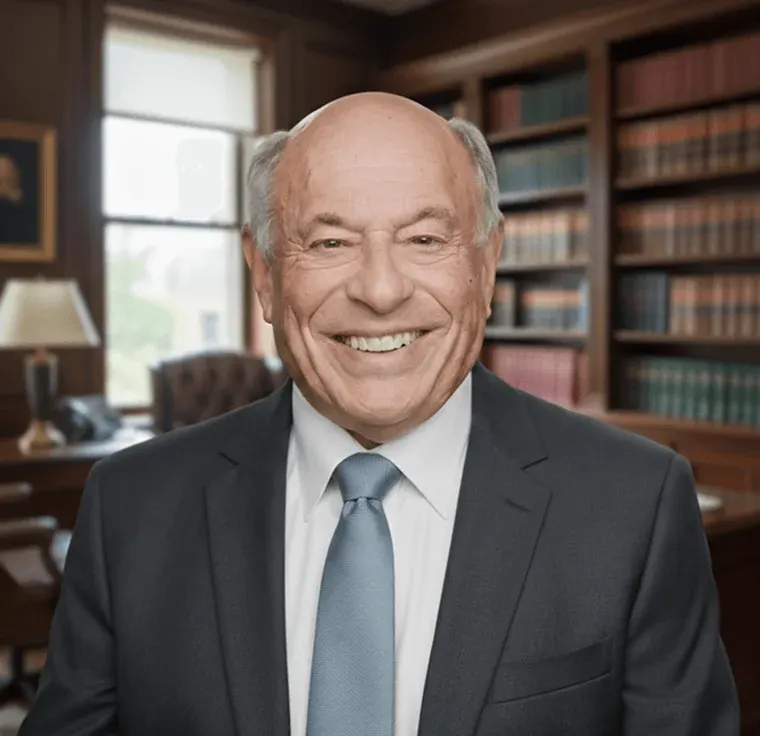
Your attorney
Paul H. Appel, Esq.
Every matter at the firm is handled personally by Paul — the same attorney reads the documents, gives the advice and negotiates on your behalf.
- Education
- Columbia Law School, Juris Doctor (1967)
- Experience
- 58+ years in commercial and business law
- Focus for this matter
- Ongoing outside general counsel on a monthly retainer
- Office
- Freehold, NJ — serving Monmouth, Middlesex & Ocean Counties
Contact
Discuss Your Business Matter With Paul
Describe what the business is dealing with — a contract on your desk, a deal in progress, a dispute or a company you are about to form. You will hear back from the attorney who handles the work.
- Phone917-748-6124
- Office11 Crestwood Drive, Freehold, NJ 07728
- ConsultationsBy phone, video or in person by appointment
Start a conversation