
Subcontracts · New Jersey
Subcontractor Agreements That Work for Both Tiers of the Job
The subcontract is where a general contractor passes risk down and where a trade contractor decides how much of it to accept. The firm drafts subcontract forms for GCs and reviews proposed subcontracts for trades, with the payment and backcharge terms that cause most disputes front and center.
Two perspectives
One document, two very different interests
A general contractor wants its subcontracts to mirror the prime contract so that every obligation it owes the owner is matched by one owed to it. A subcontractor wants to be paid for its own work on time, whatever happens between the GC and the owner.
Those goals overlap more than they conflict. Both parties benefit from a clear scope, a workable change procedure and a payment schedule everyone can follow. The friction arises over who carries the risk of owner non-payment, how defective or late work is charged back, and how much insurance the trade must carry.
The firm acts for either side. For GCs, that usually means building a subcontract form that can be reused across trades with job-specific exhibits. For subcontractors, it means reviewing the GC's form before signing and identifying the few changes worth asking for. The subcontract sits alongside the prime agreement discussed on the page about construction contract drafting and review, within the firm's overall construction practice.
Flow-down
How flow-down clauses carry the prime contract into the subcontract
A flow-down clause binds the subcontractor to the GC in the same way the GC is bound to the owner, at least for the subcontractor's portion of the work. Done well, it keeps standards, schedules and procedures consistent. Done badly, it incorporates hundreds of pages the subcontractor has never seen, including obligations that make no sense for its trade.
Subcontractors should ask for a copy of the prime contract, or at least the provisions being incorporated, before signing. General contractors should check that time limits for notices and claims in the subcontract are shorter than those in the prime contract, so the GC has time to pass a sub's claim up to the owner.
Conditional payment
Pay-if-paid versus pay-when-paid
These clauses address the same problem, the owner not paying the GC, but in different ways. The label matters less than the wording.
| Question | Pay-when-paid | Pay-if-paid |
|---|---|---|
| What it tries to do | Sets the timing of the sub's payment by reference to when the GC is paid | Makes the owner's payment to the GC a condition of the sub being paid at all |
| Who bears owner non-payment | Usually the GC, after a reasonable time | Potentially the subcontractor, if the clause is enforced as written |
| How courts tend to read it | As a timing mechanism, not a permanent bar to payment | Narrowly; the condition generally has to be stated clearly and unambiguously |
| What to negotiate | A firm outside date for payment regardless of owner payment | Conversion to a pay-when-paid clause, or an exception for owner non-payment the sub did not cause |
Conditional payment clauses can also interact with lien rights and with any prompt payment statute that applies to the job. Because the result depends on the precise wording and facts, treat any such clause as a priority item in review.
Other key terms
Subcontract provisions that often decide disputes
Backcharges
The GC's right to charge the sub for correcting defective work or covering delays. A fair clause requires written notice and an opportunity to cure before costs are incurred, and supporting documentation afterward.
Insurance
Required coverage types and limits, additional-insured endorsements, primary and non-contributory wording and waivers of subrogation. Requirements should match what the trade's insurer will actually issue.
Scope exhibits
A trade-specific inclusions and exclusions list referencing the exact drawing set. Most scope disputes between GC and sub trace back to a vague exhibit.
Schedule and coordination
Who controls sequencing, how schedule changes are communicated and whether the sub can recover costs when the GC's schedule changes.
Lien waivers
When interim and final waivers are required, whether they are conditional on payment and whether they release more than the amount paid.
Lien rights explainedTermination and default
Notice and cure periods before the GC can terminate or supplement the sub's forces, and what the sub is paid if the GC terminates for convenience.
For general contractors
Building a reusable subcontract form
Start from your prime contracts
Review the owner agreements you sign most often so the subcontract's flow-down, notice and payment terms line up with them.
Separate the standard from the specific
Keep the core terms fixed and move scope, schedule, price and trade-specific insurance into exhibits completed for each job.
Test against real disputes
Walk through past backcharge and payment disagreements to check that the new form would have answered them clearly.
Roll out with a short guide
Give project managers a one-page summary of the notice and change procedures so the form is used the way it was written.
Questions & answers
Subcontract questions
Is a pay-if-paid clause enforceable in New Jersey?
It can be, but courts tend to read conditional payment clauses narrowly and generally require clear language before treating owner payment as a true condition of the sub being paid. A clause that only addresses timing is usually read as pay-when-paid. Because so much turns on wording and circumstances, subcontractors should raise these clauses before signing, and GCs should not assume the clause will protect them.
What is a flow-down clause in a subcontract?
It is a provision that makes the subcontractor responsible to the GC for the prime contract's obligations as they relate to the sub's work, and sometimes gives the sub the GC's corresponding rights. It keeps the project consistent, but the sub should see the incorporated documents and object to terms that do not fit its trade before agreeing to be bound by them.
Can a general contractor backcharge a subcontractor without notice?
That depends on the subcontract. Many forms require written notice and a chance to cure before the GC performs corrective work and charges it back, and failing to give notice can weaken the backcharge. Where the subcontract is silent, disputes become harder to resolve. Both sides benefit from a clear procedure and from documenting the defect and the cost at the time.
Should a general contractor use one subcontract form for every trade?
One master form with trade-specific exhibits works well for most GCs. The core terms on payment, changes, insurance and disputes stay consistent, while scope, schedule and specialised requirements change job by job. Very different relationships, such as major equipment suppliers or design-build trades, may warrant their own form. For more clause-level detail, see the firm's article on subcontractor agreement clauses.
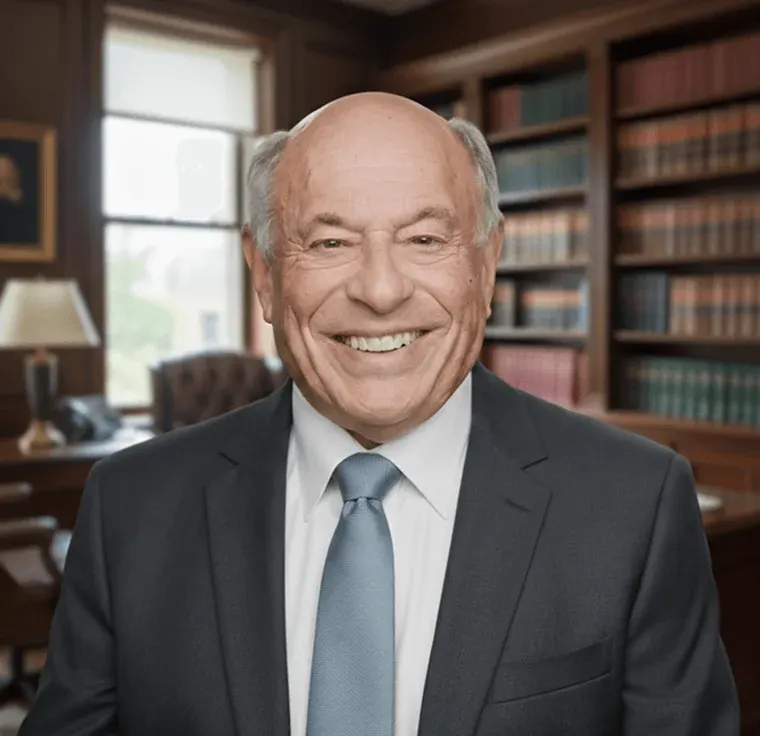
Your attorney
Paul H. Appel, Esq.
Every matter at the firm is handled personally by Paul — the same attorney reads the documents, gives the advice and negotiates on your behalf.
- Education
- Columbia Law School, Juris Doctor (1967)
- Experience
- 58+ years in commercial and business law
- Focus for this matter
- Construction contracts, compliance, liens and payment disputes
- Office
- Freehold, NJ — serving Monmouth, Middlesex & Ocean Counties
Contact
Discuss Your Business Matter With Paul
Describe what the business is dealing with — a contract on your desk, a deal in progress, a dispute or a company you are about to form. You will hear back from the attorney who handles the work.
- Phone917-748-6124
- Office11 Crestwood Drive, Freehold, NJ 07728
- ConsultationsBy phone, video or in person by appointment
Start a conversation