
Startup Legal Support · New Jersey
Flat-Fee Startup Legal Packages for New Jersey Founders
A startup package bundles the legal groundwork a new company needs into one defined engagement with a known fee. Paul H. Appel builds each package around what your business will actually do in its first year.
The practice
One engagement for the legal work every new company needs
Most founders do not need a lawyer on call — they need the right foundation laid once, correctly, before customers, investors or co-founders start relying on it. A startup legal package is built for exactly that stage.
Instead of buying formation, an operating agreement, a contractor template and customer terms piece by piece, you agree on a bundle of deliverables at the outset. The firm then works through them in a sensible order: entity first, ownership terms next, then the contracts the business will sign every week.
Because the scope is fixed in advance, you know what you are getting and what it costs before anything is drafted. The firm quotes startup packages on a flat fee, confirmed in a written engagement letter, so early-stage cash planning is not thrown off by an open-ended bill.
Paul has practiced business law since 1967 and handles every startup matter himself, without delegating to associates or paralegals. There is no hand-off to a junior associate between the first call and the final signature.

Building blocks
What a startup package can include
No two packages are identical. These are the components founders most often select, and each is scoped to the business rather than pulled from a generic kit.
Entity formation
Choosing between an LLC, S-corp election or C-corporation, filing with the state and obtaining the basic registrations a new company needs to operate.
Entity formation servicesOwnership and governance
An operating agreement or bylaws and shareholder terms that set voting, capital contributions, distributions and what happens when an owner leaves.
Founder arrangements
Equity splits, vesting, roles and departure terms between co-founders, written down while everyone still agrees.
Why a founders agreement mattersIntellectual property
IP assignments that move code, designs, brand assets and know-how from the individuals who created them into the company that will own them.
Customer-facing terms
Service agreements, terms of use or sales terms that limit liability, define payment and set how disputes are handled.
Team paperwork
Contractor agreements, confidentiality agreements and, when the first hire comes, offer letters that fit New Jersey rules.
Fit
Who these packages are designed for
Packages work best when a business is about to cross a line it cannot easily step back over: signing a lease, taking a first payment, bringing in a second founder or accepting outside money. At that point the cost of fixing a sloppy foundation rises quickly.
- Solo founders turning a side project into a company with real revenue
- Two or three co-founders who have been working informally and need to formalize ownership
- Professionals leaving employment to open a consultancy or practice
- Product and software startups whose main asset is intellectual property
- Family members launching a business together who want clear roles from day one
If you are still deciding whether to start at all, a single business law consultation may be the better first step. Founders who want to see the paperwork itself can review the list of documents to finish before launch. If you expect frequent legal questions once the company is running, the firm's virtual general counsel retainer can pick up where the package ends.
How it works
From first call to a business that is ready to operate
Discovery conversation
You describe the business model, who the founders are, how money will come in and what you plan to sign in the next few months.
Package proposal
Paul recommends the components that matter for your situation, explains why each one is included and sets a flat fee for the bundle in writing.
Foundation documents
Formation filings and ownership agreements are prepared first, because every later contract depends on which entity signs it.
Operating documents
Contractor, confidentiality and customer agreements are drafted for your actual workflow, then reviewed with you line by line.
Launch hand-off
You receive organized final documents and a short list of follow-up obligations, such as annual reports and records to keep current.
Choosing an approach
Package, piecemeal or do-it-yourself
Founders usually weigh three routes. The trade-offs are less about price and more about how well the documents fit together.
| Approach | What you get | Main risk |
|---|---|---|
| Startup package | Coordinated documents drafted together, one flat fee, one attorney | Requires deciding on scope early |
| Piecemeal engagements | Individual documents as needs arise | Terms in later documents may conflict with earlier ones |
| Online templates | Low upfront spend and fast filing | Generic terms that may not match New Jersey law or your deal |
For a fuller discussion of fee structures and what affects them, read how startup legal support is priced in New Jersey.
Questions & answers
Startup legal packages — founder questions
What is included in a startup legal package?
It depends on the business. A typical package combines entity formation, an operating agreement or bylaws, founder terms, IP assignments and one or two core contracts such as a customer agreement or contractor template. The firm proposes components based on your model and you decide what goes in before any fee is set.
Is a flat-fee package better than paying by the hour?
For defined early-stage work, usually yes. A flat fee lets you budget, and it removes any reluctance to ask a follow-up question about a draft. Hourly billing makes more sense for work whose scope genuinely cannot be predicted, such as a negotiation with an investor whose terms are still moving.
When should a founder bring in a lawyer?
Ideally before the first signature that binds the business: a lease, a significant customer contract, an agreement with a co-founder or a payment from an investor. Bringing counsel in earlier is cheaper than unwinding a commitment made by a company that was never properly set up.
Can a package be adjusted after launch?
Yes. Businesses change direction often in the first year. If a component is no longer needed or a new one becomes urgent, the scope can be revised in writing. Some founders move to an ongoing retainer once the company has regular legal questions.
Explore
Every Startup Legal Packages topic we cover
Each guide below answers a narrower question within this practice area.
Your attorney
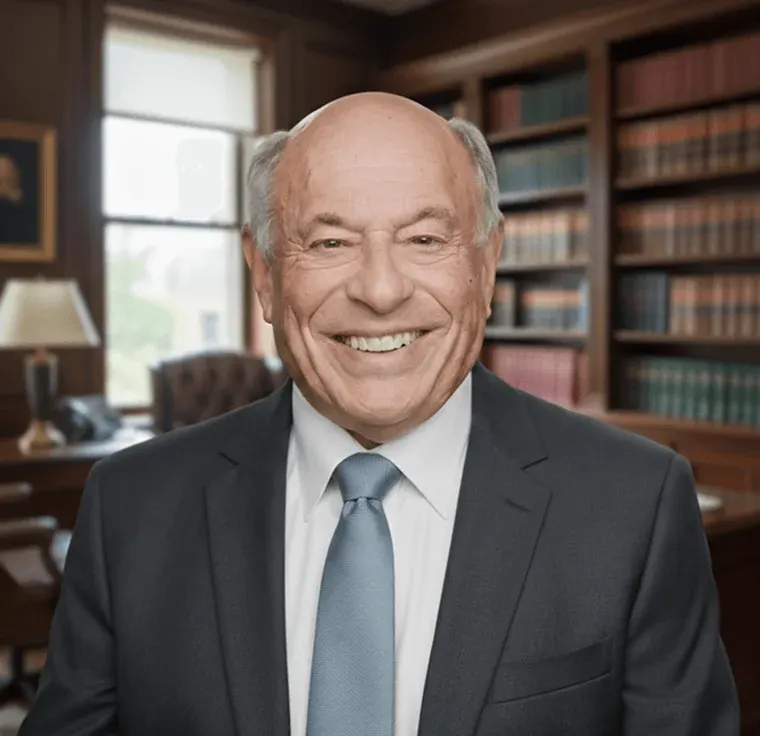
Paul H. Appel, Esq.
Every matter at the firm is handled personally by Paul — the same attorney reads the documents, gives the advice and negotiates on your behalf.
- Education
- Columbia Law School, Juris Doctor (1967)
- Experience
- 58+ years in commercial and business law
- Focus for this matter
- Founder agreements, formation packages and pre-launch legal foundations
- Office
- Freehold, NJ — serving Monmouth, Middlesex & Ocean Counties
Contact
Discuss Your Business Matter With Paul
Describe what the business is dealing with — a contract on your desk, a deal in progress, a dispute or a company you are about to form. You will hear back from the attorney who handles the work.
- Phone917-748-6124
- Office11 Crestwood Drive, Freehold, NJ 07728
- ConsultationsBy phone, video or in person by appointment
Start a conversation