
Legal Risk Analysis · Small Businesses
A Risk Review Sized for Owner-Run Businesses and Real Budgets
A five-person company does not need a corporate-style audit. It needs someone to look at the handful of issues most likely to hurt it, say which ones matter, and keep the cost predictable.
Who this is for
Built for businesses where the owner wears every hat
Most small companies in Monmouth, Middlesex and Ocean Counties have no in-house lawyer, no compliance officer and no spare afternoon. A right-sized risk review respects all three constraints.
The firm's full legal risk analysis can examine every corner of a company. For an owner-operated business, that is usually more than is needed. Experience shows that small-company legal problems cluster in a short list of places, and that checking those places carefully gives most of the protection for a fraction of the effort.
This version of the review starts with that list, adds anything specific to your trade, and stops there. You receive a short written summary of what was found and what to do, and a flat fee confirmed in writing before any work starts.
Where small firms get hurt
Six exposures that come up again and again
These are not exotic risks. They are the ordinary shortcuts busy owners take, and they are usually cheap to fix once spotted.
Handshake deals with key customers
A relationship that represents a large slice of revenue rests on emails and invoices. When a dispute arises, nobody can say what the payment terms or scope actually were.
Personal guarantees nobody tracks
Owners sign guarantees for leases, credit lines and supplier accounts, then forget them. Renewals and amendments can extend a guarantee well beyond what the owner intended.
Mixed business and personal money
Paying personal bills from the business account, or business costs from a personal card, blurs the line that keeps the company's debts separate from the owner's.
Workers paid as contractors
New Jersey's ABC test makes it hard to treat regular, supervised workers as independent contractors. Small firms are frequently caught by this. See contractor or employee for the basics.
Lapsed state filings
A missed annual report can cost the company its good standing, which tends to surface at the worst moment, such as a loan closing or a lawsuit. The NJ LLC annual requirements page sets out the yearly to-do list.
No plan if an owner leaves
Two-owner businesses often have no agreed method for buying out a partner who wants to leave, becomes ill or dies, leaving the survivor negotiating with family members.
Keeping it proportionate
How the review stays small and useful
Right-sizing is a matter of discipline about scope. The review is limited to documents that actually exist and decisions that actually matter to your business, and it does not generate recommendations that would cost more to implement than the risk they address.
In practice that means:
- A short intake call instead of a lengthy questionnaire, focused on how the business earns money and who it depends on.
- A request for a limited set of core documents, typically fewer than a dozen.
- Findings sorted into what you can fix yourself with a little guidance, what needs a lawyer's document, and what can safely wait.
- A summary short enough to read in one sitting, rather than a long report.
If the review uncovers something that genuinely needs deeper work, such as a partner dispute brewing or a contract that should be renegotiated, you are told so plainly, with an estimate, and can decide whether and when to proceed.
Do it yourself or call counsel
Typical fixes and who usually handles them
Many small-business fixes do not need a lawyer at all once you know what to do. The review is candid about which is which.
| Finding | Usual fix | Who typically does it |
|---|---|---|
| Annual report overdue | File the report and confirm good standing | Owner or bookkeeper |
| Business and personal spending mixed | Separate accounts and a written reimbursement practice | Owner with accountant |
| Key customer has no written contract | A concise service or supply agreement | Attorney |
| Two owners, no buyout terms | Buy-sell provisions added to the operating agreement | Attorney |
| Guarantees scattered and untracked | A simple list with end dates and release conditions | Owner, reviewed by attorney |
| Contractors who look like employees | Classification review and, if needed, restructuring | Attorney with accountant |
Getting ready
What to have on hand for a small business review
- Your certificate of formation and operating agreement or bylaws
- The most recent annual report confirmation
- Contracts or written terms with your three largest customers
- Your commercial lease and any guarantee you signed with it
- A list of everyone who works for the business and how each is paid
- Your current insurance declarations pages
New businesses that have not yet opened may be better served by a startup legal package, which builds these documents from the start.
Questions & answers
Small business risk reviews — owner questions
Is a legal risk assessment worth it for a very small business?
It often is, because small businesses have the least capacity to absorb a surprise. One unpaid invoice from a customer with no contract, or one misclassification claim, can outweigh the cost of a focused review many times over. The value comes from keeping the review narrow and concentrating on the issues most likely to arise in a company of your size and trade.
What are the biggest legal risks for a small New Jersey business?
The recurring ones are unwritten customer arrangements, personal guarantees owners have lost track of, mixing personal and business funds, treating regular workers as contractors, falling behind on state filings, and having no agreement about what happens if an owner leaves or dies. Your trade may add others, such as licensing or registration requirements, which the review will flag.
Can a small business risk review be done for a flat fee?
Yes. Because the scope is defined in advance, the firm quotes a flat fee in writing before beginning. If the review reveals a matter that needs more substantial work, that is scoped and quoted separately, so there is no open-ended billing for the review itself.
I am a sole proprietor. Does this apply to me?
Many of the same issues apply, and some are sharper: a sole proprietor has no entity standing between business debts and personal assets. Part of the review may be a conversation about whether forming an LLC or corporation makes sense for you, alongside contracts and insurance.
Your attorney
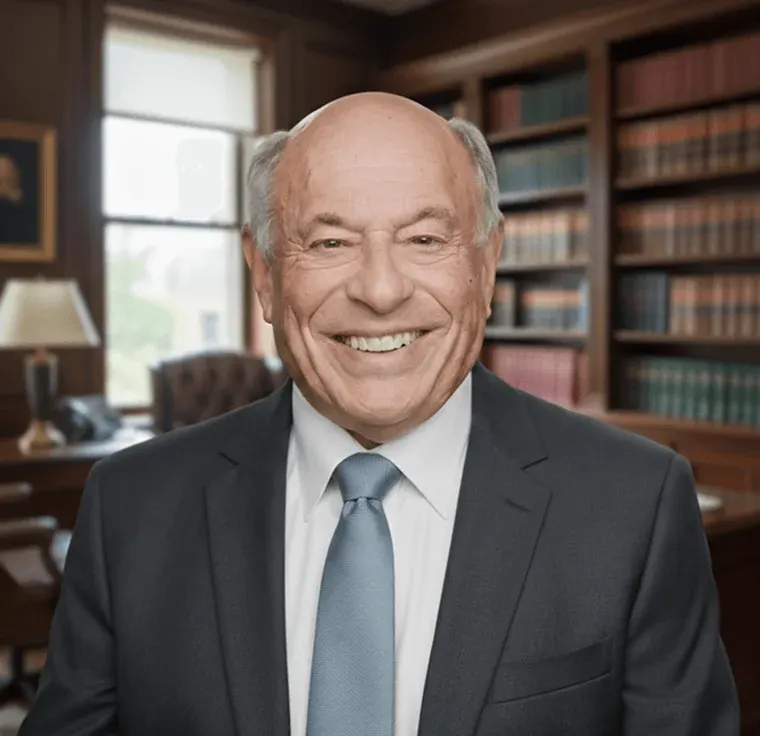
Paul H. Appel, Esq.
Every matter at the firm is handled personally by Paul — the same attorney reads the documents, gives the advice and negotiates on your behalf.
- Education
- Columbia Law School, Juris Doctor (1967)
- Experience
- 58+ years in commercial and business law
- Focus for this matter
- Compliance audits, governance review and legal risk analysis
- Office
- Freehold, NJ — serving Monmouth, Middlesex & Ocean Counties
Contact
Discuss Your Business Matter With Paul
Describe what the business is dealing with — a contract on your desk, a deal in progress, a dispute or a company you are about to form. You will hear back from the attorney who handles the work.
- Phone917-748-6124
- Office11 Crestwood Drive, Freehold, NJ 07728
- ConsultationsBy phone, video or in person by appointment
Start a conversation