Money
Rent, escalations and pass-throughs
Fixed annual increases or index-based adjustments, plus how common area maintenance, real estate taxes and insurance are calculated, capped and audited.
The Law Offices of Paul H. Appel – Your Trusted Business Law Partner in New Jersey

Commercial Leases · New Jersey
A commercial lease can outlast the business plan it was signed for. Paul H. Appel advises tenants and landlords on office, retail, industrial and mixed-use leases across Monmouth, Middlesex and Ocean Counties.
An overview for both sides
Unlike residential tenancies, commercial leases in New Jersey receive relatively little statutory protection. The parties are largely held to what they sign, which makes the drafting decisive.
For a tenant, a five- or ten-year lease is often the largest fixed obligation the company carries, frequently backed by a personal guarantee from the owner. For a landlord, the lease is the asset: its terms decide the property's income, its value to a lender or buyer, and how quickly a non-paying tenant can be removed.
This page explains the main lease structures and the provisions that move cost and risk between the parties. If you are a tenant about to negotiate a new location, the firm's page on lease review and negotiation walks through that process step by step.

Lease structures
Labels vary in the market, so always read how the lease itself allocates each expense rather than relying on the name.
| Structure | How rent works | Who carries operating costs |
|---|---|---|
| Gross (full service) | One rent figure | Landlord pays taxes, insurance and maintenance, built into the rent |
| Modified gross | Base rent plus some pass-throughs | Split, often with increases over a base year passed to the tenant |
| Net / triple net (NNN) | Base rent plus the tenant's share of expenses | Tenant pays its share of taxes, insurance and common area maintenance |
| Percentage (retail) | Base rent plus a percentage of sales above a breakpoint | Usually net; requires sales reporting by the tenant |
| Ground lease | Rent for land only | Tenant builds and maintains its own improvements |
Terms that shift cost and risk
Money
Fixed annual increases or index-based adjustments, plus how common area maintenance, real estate taxes and insurance are calculated, capped and audited.
Use
The permitted use clause defines what business can operate in the space. Retail tenants may also seek an exclusive preventing the landlord from leasing to a direct competitor.
Condition
Who maintains the roof, structure and building systems; who pays for improvements; and what condition the premises must be in when returned.
Exit
Renewal options, rights to assign or sublet, early termination rights, notice and cure periods, and the landlord's remedies if rent goes unpaid. Transfers are covered in detail on the lease assignment and subletting page.
New Jersey considerations
Many New Jersey municipalities require a zoning permit, a certificate of occupancy or a continued certificate of occupancy before a new business opens in existing space, and requirements differ from town to town. A lease signed before confirming the intended use is allowed can leave a tenant paying rent on space it cannot open. The lease should make approvals a condition, or give the tenant an exit if they are refused.
Industrial and some commercial properties raise environmental questions. New Jersey's Industrial Site Recovery Act can apply when certain industrial operations close or transfer, and leases for those uses should allocate responsibility for compliance and contamination clearly. Insurance, indemnity and personal guarantee terms deserve equal attention, because they decide who pays when something goes wrong.
Who the firm advises
Leasing is handled as part of the firm's wider business contract practice, on a written scope and fee agreed in advance.
Review of the landlord's draft, negotiation of business and legal terms, guarantee limits, and amendments when you expand, relocate or renew.
A lease form tailored to your property, rules for common areas, estoppel certificates for lenders, and lease amendments when a tenant asks for concessions.
Leases that must also satisfy a franchisor's rider and build-out standards.
Franchise counselQuestions & answers
In a gross lease the tenant pays one rent and the landlord covers property taxes, insurance and maintenance out of it. In a triple net lease the tenant pays base rent plus its share of those three cost categories, which can rise over time. Net leases often have lower base rent but less predictable total occupancy cost, so tenants should ask for expense history and caps.
Frequently, yes. Many municipalities require a zoning or use approval and a certificate of occupancy or continued certificate of occupancy for a new tenant, and some require inspections. Requirements vary, so check with the town's zoning and construction offices before committing and build the approval into the lease as a condition.
Yes. Small property owners often rely on generic forms that do not match their building or their tenants. The firm prepares a lease tailored to the property type, with clear expense pass-throughs, default remedies and transfer controls, and can prepare a simpler version for smaller spaces.
Largely whoever the lease says. Commercial leases commonly assign interior repairs to the tenant and the roof and structure to the landlord, but net leases may shift much more to the tenant, including HVAC replacement. Because the default rules offer limited help, the repair clause should be specific about systems, replacement versus repair, and cost sharing.
Your attorney
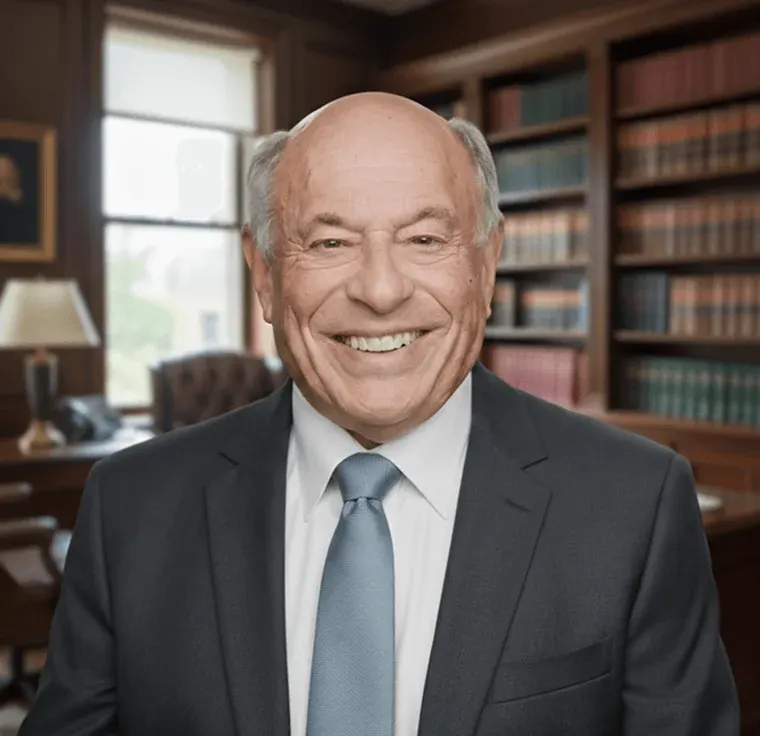
Every matter at the firm is handled personally by Paul — the same attorney reads the documents, gives the advice and negotiates on your behalf.
Contact
Describe what the business is dealing with — a contract on your desk, a deal in progress, a dispute or a company you are about to form. You will hear back from the attorney who handles the work.
Start a conversation