
Construction Compliance · New Jersey
A Compliance Check-Up Built for Construction Companies
Registration, licenses, insurance, labor rules and job records each carry their own requirements, and a gap in any one can cost a contractor a job, a claim or a payment. The review identifies those gaps in one pass and sets out a plan to close them.
Why review compliance
Compliance problems surface at the worst possible moment
Contractors rarely discover a compliance gap on a quiet day. It turns up when a homeowner's lawyer checks the registration, when a public owner asks for certified payroll, when an insurer reviews a claim or when a worker files for unemployment and the state looks at how the crew was paid. At that point the problem is no longer administrative; it affects the money.
A construction compliance review looks at those obligations together, before anyone else does. It is a legal review: Paul examines what the law and the business's contracts require, compares that with the company's actual registrations, policies and practices, and reports the gaps in order of risk. It complements, rather than replaces, the work of your accountant, insurance broker and safety adviser.
The review is one part of the firm's wider legal support for New Jersey contractors. Businesses outside construction can use the general business compliance audit instead.
Scope
Areas the review examines
The exact scope depends on the type of work the company performs. A residential remodeler and a public-works subcontractor have very different checklists.
| Area | What is checked | Why it matters |
|---|---|---|
| Registration | Home improvement registration for residential work and any public works contractor registration needed for public projects | Unregistered work can bring penalties and weaken the contractor's ability to enforce its contracts |
| Trade licensing | Whether licensed trades such as electrical, plumbing or HVAC work are performed under the required state licenses and permits | Unlicensed work can void permits and expose the company to enforcement and claims |
| Insurance | Liability, workers' compensation and auto coverage against what statutes and key contracts require, including additional-insured obligations | A coverage gap can leave the contractor personally funding a claim it promised to insure |
| Worker classification | How crews and individual subcontractors are engaged and paid, measured against New Jersey's ABC test | Misclassification can lead to back taxes, wage claims and penalties |
| Public work wages | Prevailing wage rates, certified payroll and apprenticeship obligations on public projects, where applicable | Errors can lead to back-pay demands and affect eligibility for public jobs |
| Safety records | Injury and illness recordkeeping, required postings and documentation of training, where the rules apply | Records are the first thing reviewed after a serious incident or inspection |
Process
How a compliance review runs
Scoping call
Discuss the kinds of work you perform, where, for whom and with what crew structure. The written scope and fee follow before any work starts.
Document request
You provide registrations, licenses, insurance certificates and policies, sample contracts, subcontractor and payroll arrangements, and safety records.
Legal review
Paul compares what you have with what the law and your main contracts require, and follows up with targeted questions where the paper does not tell the full story.
Findings report
A plain-English report ranks each gap by risk and recommends a specific fix, with priorities you can act on immediately.
Remediation
The firm can then revise contract forms, restructure subcontractor arrangements or prepare the documents needed to close each gap.
Common findings
Problems the review often uncovers
Name mismatches
The registration, insurance policy and contract forms list slightly different legal names, or an old entity that no longer does the work.
1099 crews
Individuals paid as independent contractors who work only for the company, use its tools and follow its schedule, which is difficult to defend under the ABC test.
Contractor agreementsInsurance promises
Contracts that promise additional-insured status or waivers of subrogation the company's policies do not actually provide.
Outdated residential forms
Home improvement contracts missing required terms or the homeowner's cancellation notice.
Home improvement contract rulesSubcontractor paperwork
No current certificates of insurance or license copies on file for the trades the company hires.
Expired credentials
Registrations or licenses that lapsed during a busy season and were never renewed.
Preparation
Gather these before the review starts
- Current registration certificates and trade licenses, with renewal dates
- Certificates of insurance and the policies themselves, including endorsements
- Your standard proposal, contract and subcontract forms
- A list of everyone paid on a 1099 in the last year and how they are engaged
- Any public contracts, wage determinations and certified payroll reports
- Injury logs, safety program documents and training records
Not sure the full review is needed? The overview of recurring legal challenges in construction includes a short self-check that can help decide.
Questions & answers
Construction compliance review questions
What does a construction compliance review cover?
It typically covers registration, trade licensing, insurance, worker classification, wage obligations on public work and safety recordkeeping, together with how the company's contract forms deal with each of those subjects. The scope is tailored to the work you actually do, so a residential contractor's review focuses on home improvement rules while a public-works sub's review spends more time on wages and payroll.
How often should a contractor review its compliance?
A full review makes sense when the company first engages counsel, when it enters a new type of work such as public projects or residential remodeling, and after significant growth in crew size. Between reviews, a short annual check of registrations, licenses, insurance renewals and classification practices usually keeps things current without repeating the whole exercise.
Does a compliance review replace my insurance broker or safety consultant?
No. The review looks at legal requirements and contract obligations, then identifies where coverage or safety documentation appears not to meet them. Your broker decides how to fix insurance gaps and your safety adviser designs the program. Paul can coordinate with both so that the contracts, the policies and the practices all line up.
What happens if the review finds a problem?
Each finding comes with a recommended fix and a priority. Some are simple, such as renewing a registration or updating a contract form. Others, such as restructuring how crews are engaged, take longer and may benefit from your accountant's input. The firm can carry out the legal side of the remediation under a separate written scope.
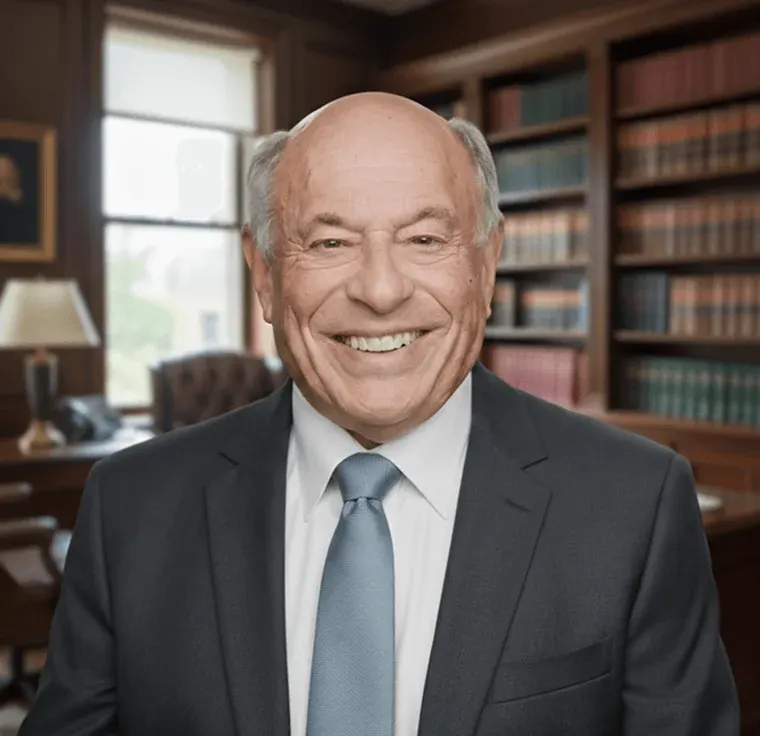
Your attorney
Paul H. Appel, Esq.
Every matter at the firm is handled personally by Paul — the same attorney reads the documents, gives the advice and negotiates on your behalf.
- Education
- Columbia Law School, Juris Doctor (1967)
- Experience
- 58+ years in commercial and business law
- Focus for this matter
- Construction contracts, compliance, liens and payment disputes
- Office
- Freehold, NJ — serving Monmouth, Middlesex & Ocean Counties
Contact
Discuss Your Business Matter With Paul
Describe what the business is dealing with — a contract on your desk, a deal in progress, a dispute or a company you are about to form. You will hear back from the attorney who handles the work.
- Phone917-748-6124
- Office11 Crestwood Drive, Freehold, NJ 07728
- ConsultationsBy phone, video or in person by appointment
Start a conversation