

Virtual General Counsel · Everyday Questions

The Small Legal Questions That Come Up Every Week — and Why They Deserve Quick Answers

Most legal trouble in a small business starts with a routine decision made without a second thought. A two-minute question to counsel at that point is usually the cheapest legal work you will ever buy.

The pattern

Big problems start as ordinary decisions

Owners rarely think of themselves as having "legal questions." They have a customer who will not pay, an employee asking for time off, a vendor sending new terms. Each is an operational issue — and each has a legal dimension that is easy to miss.

The reason to ask early is timing. Before you reply to the email, sign the form or let someone go, your options are wide. Afterwards, the decision is on the record and the conversation becomes about limiting damage.

Retained clients of the firm's virtual general counsel service can raise these questions as they happen, by phone or email, without opening a new matter each time.

Business owner shaking hands with a vendor while holding the papers for a new supply arrangement

Real-world examples

Questions owners ask in a typical month

These examples are drawn from the kinds of issues small businesses routinely face. The short answers are general; the right response always depends on the facts.

People

"Can I pay my new helper as a 1099 contractor?"

Often not. New Jersey's ABC test presumes employment unless all three conditions are met. Getting this wrong at the start can mean back taxes and penalties later. The contractor versus employee guide walks through the test.
Customers

"A client is three months behind. Can I stop work?"

Possibly, but the contract may require written notice or an opportunity to cure first. Stopping without following those terms can turn your claim into theirs.

Vendors

"The supplier sent updated terms with the invoice. Do they apply?"

Not automatically. Whether new terms bind you depends on your existing agreement and how you respond. Silence and continued orders can sometimes be treated as acceptance.

Premises

"The landlord wants us to sign an estoppel certificate by Friday."

That document confirms facts about your lease to a lender or buyer. Signing an inaccurate one can waive claims you did not know you had.

Records

"My partner wants to take a larger draw this quarter. Is that allowed?"

The answer sits in the operating agreement. If it is silent, New Jersey's default rules apply, and an undocumented change can seed a later dispute.

Online

"Can we use photos we found online on our website?"

Generally not without permission or a license. Images are usually protected by copyright regardless of whether a notice is shown.

Why speed matters

The cost curve of a legal question

The same question costs very different amounts depending on when it is asked. Consider the late-paying client above. Asked before work stops, the question is a short contract review and perhaps a carefully worded notice. Asked after the owner has walked off the job and the client has hired a replacement, it may become a breach-of-contract dispute in which both sides claim damages.

That is the logic of the ask-first habit. The aim is not to involve a lawyer in every decision, but to make it easy to check the few that carry legal weight. For owners who already have one question that cannot wait, a stand-alone consultation is the alternative to a retainer.

Over months, the questions also form a picture. If the same issue keeps coming up — late payers, unclear scope with customers, confusion about who can approve spending — the underlying document or process is usually the real problem, and fixing it once removes a whole category of future calls.

Rule of thumb

Signals that a routine decision needs a quick legal check

If any of these apply, a short call before acting is usually worth it.

  • You are being asked to sign something by a deadline
  • Someone has put a complaint, demand or threat in writing
  • You are about to hire, discipline or let go of a worker
  • A contract is about to renew automatically
  • Money is moving between owners or between affiliated companies
  • A government agency, insurer or lender has asked for information

Over time, recurring questions often reveal a document worth fixing — which is the purpose of periodic contract and policy review.

Questions & answers

Everyday legal questions — how it works

Is it worth calling a lawyer about a small question?

Often, yes, because the small question is the cheapest point at which to deal with it. Under a retainer the call carries no separate charge for routine questions within scope, which removes the incentive to guess. Without a retainer, a short consultation can still cost far less than the problem it prevents.

How quickly can a routine question be answered?

Many everyday questions can be answered the same day or within a short time, particularly when the attorney already knows your documents. Expectations for routine and urgent matters are set out when a retainer begins, so you know what to expect.

What if my question turns into a bigger matter?

Sometimes a quick question reveals a dispute, a restructuring or a contract that needs real negotiation. In that case Paul will tell you, explain the options and, if you want help, agree a separate scope and fee before the larger work starts.

Do I need to put questions in writing?

No. Phone calls are fine for most questions. For anything involving a document, emailing it in advance helps, and important advice can be confirmed by email so you have a record of what was discussed.

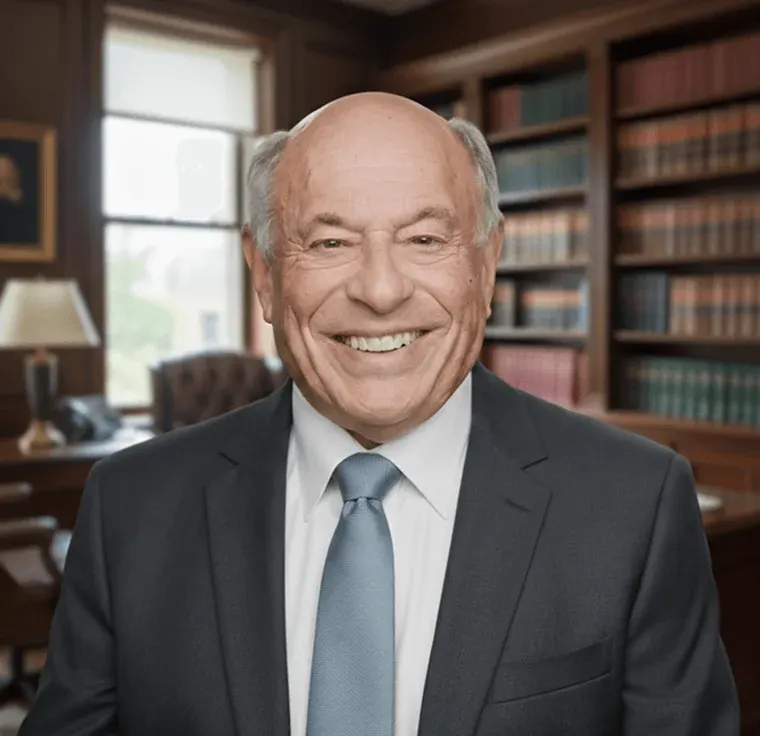
Paul H. Appel, Esq., business attorney, in his law library

Your attorney

Paul H. Appel, Esq.

Every matter at the firm is handled personally by Paul — the same attorney reads the documents, gives the advice and negotiates on your behalf.

Education
Columbia Law School, Juris Doctor (1967)
Experience
58+ years in commercial and business law
Focus for this matter
Ongoing outside general counsel on a monthly retainer
Office
Freehold, NJ — serving Monmouth, Middlesex & Ocean Counties
More about Paul and the firm

Contact

Discuss Your Business Matter With Paul

Describe what the business is dealing with — a contract on your desk, a deal in progress, a dispute or a company you are about to form. You will hear back from the attorney who handles the work.

Start a conversation

Schedule a Free Consultation

Loading the secure consultation form… If it does not appear, call 917-748-6124 or email paul@paulappellaw.com.