
Frequently Asked Questions · New Jersey
Business Law Questions New Jersey Owners Ask Before They Call
Short, practical answers on cost, entity choice, contracts, buying and selling, disputes and ongoing counsel. Each answer points to the page that covers the topic in depth.
Before you read
How to use these answers
These are the questions that come up most often in first conversations with owners in Monmouth, Middlesex and Ocean Counties. The answers are general information about New Jersey law, not advice about your situation. Business law depends heavily on the documents you have signed and the facts behind them, so the same question can have different answers for two companies.
If your question is not covered here, or the answer seems to depend on details only you know, call 917-748-6124 or email paul@paulappellaw.com and ask it directly.
Fees & working together
Working with the firm & fees
How much does a business attorney cost in New Jersey?
It depends on how predictable the work is. Defined tasks such as forming an entity, drafting a standard agreement or a startup package are quoted as a flat fee. Continuing support is billed as a monthly retainer, and hourly billing is reserved for open-ended matters such as contested disputes. Whatever the arrangement, you receive the scope and fee in writing before work starts. The startup package overview shows how fixed-fee work is put together.
Is the first consultation free?
Yes. The first conversation is for understanding what is happening and whether you need a lawyer at all, and there is no charge for it. If the firm can help, you then receive a written proposal setting out the work and the fee. If the matter is something you can handle yourself, or belongs with a different kind of professional, you will be told that plainly. To see the range of matters the firm takes on, browse the business transactions practice and related pages.
Will I deal with Paul or with someone else in the office?
With Paul. The practice has no associates or paralegals working on client files. The attorney who answers your first call reads the documents, drafts the changes and speaks with the other side. That continuity matters most on long-running engagements such as virtual general counsel, where knowing the company's history saves time on every question.
Does a small business really need a lawyer on retainer?
Not every business does. A retainer makes sense once you sign contracts regularly, have employees or contractors, or keep running into questions you would rather not guess at. For an occasional lease or one-off agreement, paying per matter is usually more economical. A legal risk review can show whether your volume of legal decisions justifies ongoing coverage.
Can you help if my business is not in Freehold?
Yes. The office is in Freehold, but clients are spread across Monmouth, Middlesex and Ocean Counties, and most matters run by phone, email and video. Meetings in Freehold can be scheduled when a signing or negotiation benefits from being in the same room. The areas served overview explains how this works for each county.
Entity choice
Forming a business
Should I form an LLC or an S-Corp in New Jersey?
The two are not really alternatives. An LLC is a type of legal entity, while S-corporation status is a federal tax election made on IRS Form 2553, which an LLC or a corporation can make. Since 2022, New Jersey has generally treated federal S corporations as New Jersey S corporations automatically, but confirm current state filing requirements with your accountant. The entity formation practice covers how to weigh liability, ownership and tax.
What does it take to form an LLC properly?
Filing the Certificate of Formation with the Division of Revenue and Enterprise Services creates the LLC, but that is only the first step. A properly formed company also has a written operating agreement, an EIN, a separate bank account, any required registrations, and a reminder for the annual report due each year in the anniversary month. Flat-fee formation services cover the documents as well as the filing.
Do I need an operating agreement if I am the only owner?
New Jersey law does not require a written one, but going without it is a mistake. Without an agreement, the default rules of the Revised Uniform Limited Liability Company Act apply, and you have less evidence that the company is genuinely separate from you. A written agreement also sets out what happens if you die, become incapacitated or bring in a partner. See the formation hub for what a single-member agreement should address.
My LLC has not kept up with its paperwork. Is that a problem?
It can be. New Jersey does not require LLCs to hold annual meetings, but missed annual reports can lead to revocation, and mixing personal and business funds weakens the liability shield that protects your personal assets. Usually the fix is to reinstate if necessary, document past decisions with written consents, and separate the finances. A governance-focused risk analysis can identify what needs repairing.
Agreements
Contracts
Is a non-compete enforceable in New Jersey?
Sometimes. New Jersey has no general non-compete statute. Courts ask whether the restriction protects a legitimate business interest, does not impose undue hardship on the worker, and does not harm the public. A court may narrow an overbroad clause instead of striking it entirely. Restrictions given by the seller of a business are generally enforced more readily than restrictions on employees. The contracts practice drafts covenants with those tests in mind.
Is it worth having a lawyer review a contract before I sign?
For anything that ties you in for years, involves significant money, a personal guarantee, or rights over your intellectual property, yes. The review costs far less than renegotiating later, and most of your leverage disappears once you have signed. A good review tells you which three or four terms deserve pushback, not just everything that could be improved. Learn more on the contract review and negotiation page.
What are the warning signs in a business contract?
Watch for automatic renewals with short cancellation windows, one-way indemnities, uncapped liability on your side only, personal guarantees hidden in the signature block, termination rights that only the other side holds, and dispute clauses that send you to another state's courts. Vague payment and acceptance terms are a frequent source of later disputes. The contract drafting service explains how these terms are usually negotiated.
Can I use a contract template I found online?
You can, but generic templates are often drafted for other states, leave out terms your industry needs, or include clauses New Jersey courts treat with suspicion, such as arbitration provisions that do not clearly explain the waiver of the right to sue. A template is a reasonable starting point if a lawyer adapts it to your business. That kind of tailoring is a routine part of contract work.
Is a handshake or email agreement binding?
Often, yes. Many agreements are enforceable without a formal signed document, and a string of emails can form a contract. Some agreements, including certain real estate and long-term arrangements and larger sales of goods, must be in writing to be enforced. The bigger practical risk is proving what was agreed. Turning an informal deal into a short written agreement removes that uncertainty. The contracts hub covers when and how to document a deal.
Deals
Buying & selling a business
What should I check before buying a business in New Jersey?
Look beyond the financial statements. Check whether key contracts and the lease can be assigned to you, whether employees and contractors are properly classified, whether there are tax arrears or pending claims, and whether intellectual property is actually owned by the business. Confirm that the licenses and permits will transfer. The M&A practice organizes this into a legal due diligence review before you commit.
Asset purchase or stock purchase: which is better?
Buyers usually prefer an asset purchase because they can choose which assets and liabilities they take on. Sellers often prefer selling stock or membership interests because it is a cleaner exit and the tax treatment can be more favorable. The right answer depends on taxes, contracts that cannot be assigned, licenses and the risk profile of the business. The buying and selling businesses service walks through how that choice is made.
How long does it take to close a business sale?
Small, uncomplicated sales can close within weeks once terms are agreed. Deals involving bank financing, landlord or franchisor consent, license transfers or extensive diligence commonly take a few months. The timetable is usually driven by third parties rather than the buyer and seller, which is why consents should be requested early. The M&A hub explains the stages of a typical deal.
Is there a tax notice a buyer must file before closing?
Usually, yes. When a New Jersey business sells its assets outside the ordinary course of business, the buyer must notify the Division of Taxation, generally on Form C-9600, at least ten business days before closing. Without that notice, the buyer can be held responsible for the seller's unpaid state taxes. It is a routine but essential closing step in the business acquisition process.
What is an earnout, and should I agree to one?
An earnout makes part of the price depend on how the business performs after closing. It can close a gap when buyer and seller value the company differently, but it often leads to disputes. As a seller, you need precise definitions of the targets, how they are measured, what control you keep over operations, and what happens if the buyer changes the business. Read more on the mergers and acquisitions page.
When things go wrong
Disputes
A customer or vendor will not pay. What are my options?
Start by reading the contract for payment terms, interest, attorney's fees and dispute-resolution clauses. A clear demand letter from counsel resolves many unpaid invoices. If it does not, the options include negotiation, mediation, arbitration if the contract requires it, or a lawsuit. Contractors may also have lien rights subject to strict deadlines. The dispute resolution practice can help you choose the most economical route.
How long do I have to sue for breach of contract in New Jersey?
Generally six years for contract claims under N.J.S.A. 2A:14-1, and generally four years for contracts for the sale of goods under the Uniform Commercial Code. When the clock starts, and whether anything pauses it, depends on the facts, and some contracts shorten the period. Do not leave it until the deadline is close. The business litigation and dispute resolution page explains how claims are assessed.
My business partner is making decisions without me. What can I do?
First, check the operating agreement, partnership agreement or shareholder agreement. They usually define voting rights, information rights and what happens when owners disagree. Ask for the company's records in writing. If the conduct amounts to a breach of duty, or to oppression of a minority owner in a closely held corporation, New Jersey law provides remedies. The dispute resolution hub covers co-owner conflicts in more depth.
Is mediation really cheaper than going to court?
Usually. Mediation is typically quicker, private and far less expensive than litigation, and the parties keep control of the outcome. It works best when both sides have a reason to keep the relationship or the business intact. It is not binding unless a settlement is signed. Arbitration is binding and generally faster than court, though not always cheaper. The dispute practice can help you compare them for your case.
Ongoing counsel & specialised matters
Ongoing counsel, construction, franchises & startups
What is a virtual general counsel?
It is an outside lawyer who acts as your company's legal department on a monthly retainer. They review contracts before you sign, answer everyday questions, keep corporate records current and help you spot problems early. It suits growing companies that need regular legal judgment but cannot yet justify a full-time hire. The virtual general counsel service explains what is typically included.
What is the deadline for a construction lien in New Jersey?
The Construction Lien Law sets strict deadlines measured from the last date you provided work or materials. For non-residential projects the window is generally 90 days. Residential projects require an additional Notice of Unpaid Balance and an arbitration step before a lien can be filed. A lien is not available in every situation, and a defective filing can create liability of its own. See the construction law practice.
What should I do before signing a franchise agreement?
Read the Franchise Disclosure Document carefully. Federal rules require the franchisor to give it to you at least fourteen days before you sign or pay. Pay particular attention to fees, territory, renewal and transfer terms, and post-term restrictions. Talk to current and former franchisees. New Jersey's Franchise Practices Act provides termination protections, but only for franchises that meet its thresholds. The franchise agreements practice covers what can be negotiated.
What legal documents does a startup need before launch?
At minimum, a properly formed entity, a founders' or operating agreement that covers equity and vesting, intellectual property assignments from every founder and contractor, and customer-facing terms suited to your product. If you plan to raise money soon, keep a clean cap table from the start. The startup legal support packages bundle these documents at a fixed fee.
How do I find out whether my business has legal blind spots?
A structured review of your contracts, corporate records, employment practices and regulatory obligations is the most reliable way. It points out stale agreements, missing approvals, classification problems and gaps in insurance or indemnity, ranked by how much each one could cost you. The business legal risk analysis explains how that review is carried out.
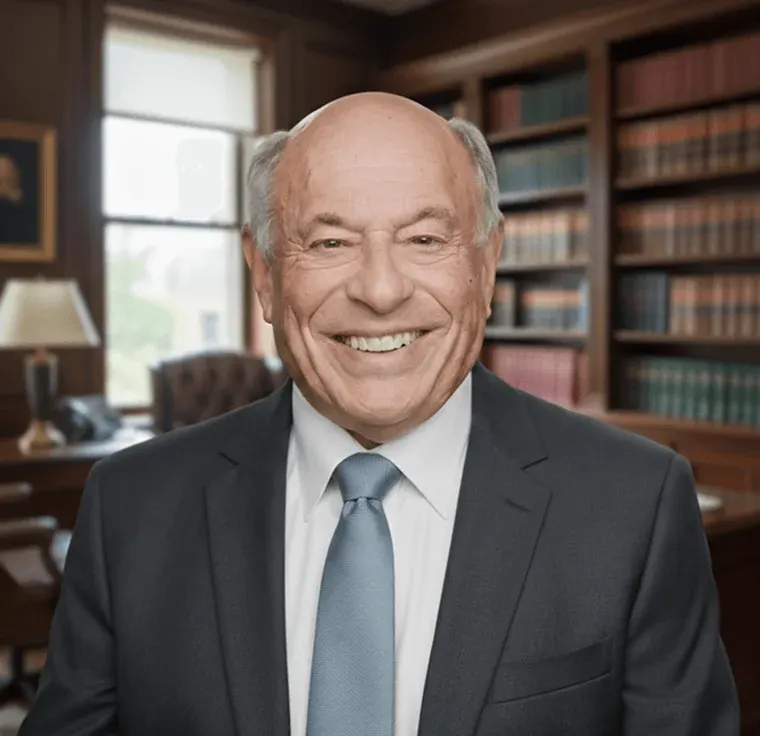
Your attorney
Paul H. Appel, Esq.
Every matter at the firm is handled personally by Paul — the same attorney reads the documents, gives the advice and negotiates on your behalf.
- Education
- Columbia Law School, Juris Doctor (1967)
- Experience
- 58+ years in commercial and business law
- Focus for this matter
- Commercial and business law for owner-run companies
- Office
- Freehold, NJ — serving Monmouth, Middlesex & Ocean Counties
Contact
Talk to Paul About Your Business
Describe what the business is dealing with — a contract on your desk, a deal in progress, a dispute or a company you are about to form. You will hear back from the attorney who handles the work.
- Phone917-748-6124
- Office11 Crestwood Drive, Freehold, NJ 07728
- ConsultationsBy phone, video or in person by appointment
Start a conversation