
Middlesex County · New Jersey
Early-Stage Legal Fixes for Piscataway Founders and Young Tech Companies
Piscataway startups usually come to a lawyer after something informal has started to wobble: a co-founder split agreed over coffee, a pitch to a bigger company, a first paying customer. These are the fixes that matter most early on.
Setting the scene
Research neighbors, I-287 access and a lot of first-time founders
Piscataway is a Middlesex County township that is home to Rutgers University's Busch and Livingston campuses, with Interstate 287 running along its edge. It attracts technology, research-adjacent and professional service ventures, many founded by engineers and scientists launching their first company.
First-time founders rarely lack ambition; what they lack is paperwork. Paul H. Appel helps Piscataway founders from the Freehold office, mostly by video call, with in-person sessions in Freehold by appointment when the founders want to work through documents together.
Six early problems
What Piscataway founders typically need sorted out
None of these is exotic, but each becomes far more expensive to fix after money or customers arrive.
An equity split nobody wrote down
Percentages agreed verbally, with no vesting, leave the company exposed if a founder drifts away. A founders' agreement fixes that.
Founders' agreementsCode or designs owned by the wrong person
Founders and early contractors should assign their work to the company in writing, including anything created before formation.
Pitching a larger company
An NDA helps, but it is only as strong as its definition of confidential information and its permitted-use clause.
NDA draftingA day job at a university or employer
Many employers, including universities, have invention and outside-activity policies. Read yours before building anything related to your role.
The first pilot customer
A short pilot agreement should set scope, fees, data use and who owns improvements suggested by the customer.
A first office or lab lease
Small-space leases still carry guarantees, use restrictions and build-out obligations worth reading before you commit.
Fixing the founder split
Turning a handshake equity deal into a durable agreement
Write down what each founder believes
Before drafting, each founder lists the percentage, role and time commitment he or she thinks was agreed. Differences surface now rather than at the first investor meeting.
Add vesting and departure rules
Vesting over time, with a buyback right for unvested shares or units, protects everyone if a co-founder leaves early.
Assign the intellectual property
Each founder signs an assignment of prior work related to the business, so the company itself owns its core asset.
Choose the entity that fits the plan
An LLC or a corporation can both work; the choice depends on fundraising plans and tax goals. The startup legal packages bundle formation and founder documents under a flat fee.
Quick comparison
Which document addresses which Piscataway startup risk
| Risk | Document that addresses it | When to sign |
|---|---|---|
| Founder leaves with a large stake | Founders' or operating agreement with vesting | Before significant work or funding |
| Contractor claims ownership of code | Contractor agreement with IP assignment | Before work starts |
| Partner company uses your idea | Mutual NDA with clear use limits | Before sharing technical detail |
| Pilot customer expects free features forever | Pilot or evaluation agreement | Before the pilot begins |
For the broader set of documents young companies need, see the firm's guide to legal documents to have before launch.
Piscataway questions
Questions from Piscataway founders
Will an NDA stop a big company from copying my idea?
An NDA can give you a claim if the other side misuses information it agreed to protect, but it does not protect general ideas the company already had or develops independently. Share only what you need to, keep records of what was disclosed and when, and recognize that some large companies decline to sign NDAs at an early stage.
I work at the university. Can I start a company on the side?
Possibly, but you must check your employment terms and any institutional intellectual property and conflict-of-interest policies first. Those policies can give the employer rights in inventions connected to your work or created with its resources. Get clarity in writing before you invest heavily in the venture.
Do we really need a lawyer for a three-page pilot agreement?
A short review is usually worthwhile, because pilot terms on data rights, feedback ownership and pricing often become the template for the full contract. The Piscataway services overview and the Middlesex County business law hub explain how the firm structures this kind of limited-scope work.
Nearby
Also serving businesses near Piscataway Township
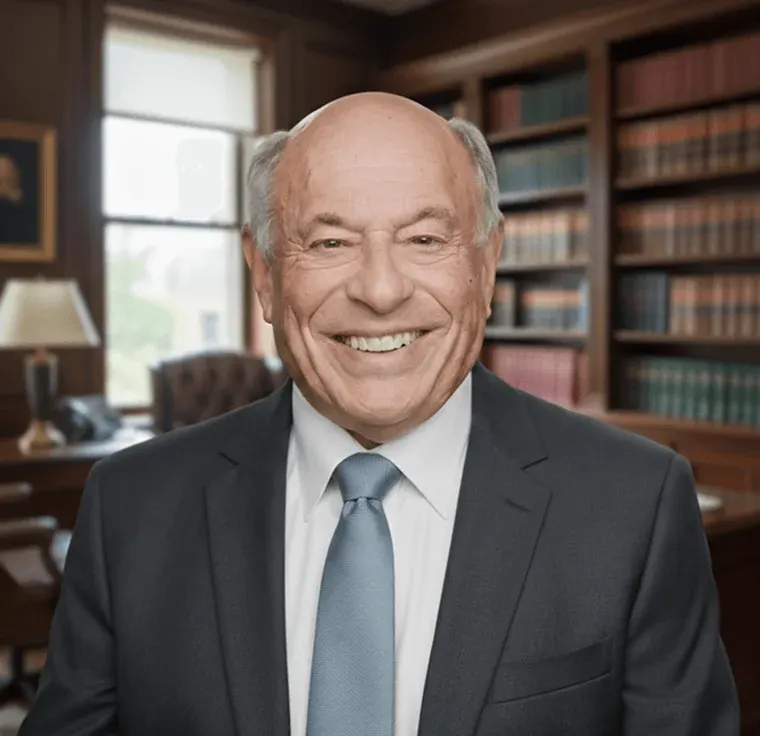
Your attorney
Paul H. Appel, Esq.
Every matter at the firm is handled personally by Paul — the same attorney reads the documents, gives the advice and negotiates on your behalf.
- Education
- Columbia Law School, Juris Doctor (1967)
- Experience
- 58+ years in commercial and business law
- Focus for this matter
- Commercial and business law for owner-run companies
- Office
- Freehold, NJ — serving Monmouth, Middlesex & Ocean Counties
Contact
Discuss Your Business Matter With Paul
Describe what the business is dealing with — a contract on your desk, a deal in progress, a dispute or a company you are about to form. You will hear back from the attorney who handles the work.
- Phone917-748-6124
- Office11 Crestwood Drive, Freehold, NJ 07728
- ConsultationsBy phone, video or in person by appointment
Start a conversation