

Middlesex County · New Jersey

Cranbury Business Attorney for Distribution Parks, Corporate Vendors and Village Firms

Cranbury pairs a historic village center with some of Central Jersey's largest warehouse and office parks along Route 130 and the Turnpike. The firm helps companies on both sides of that divide get their leases, contracts and entity structure right.

Two kinds of Cranbury business

Large-floorplate tenants and a small-town Main Street

Cranbury is a Middlesex County township whose economy runs on two very different scales: big distribution and corporate buildings near the highways, and a compact village of shops, offices and service providers.

Companies in the parks tend to be operating subsidiaries, third-party logistics providers and suppliers that serve them. Their legal needs are document-heavy: industrial leases measured in decades, customer agreements with performance metrics, and service contracts with cleaning, security and maintenance vendors.

Village businesses, by contrast, are usually owner-run. A consultant, a design studio or a family retailer needs a properly formed company and terms that protect a modest but hard-earned income.

Paul H. Appel works with both groups from Freehold. Cranbury clients typically meet him by video or phone; an in-person meeting at the Freehold office can be scheduled whenever it is useful. The Middlesex County practice page describes the firm's wider work in the county.

Business people reviewing lease and supply documents at an office desk, as a Cranbury tenant might before signing

Practice overview

Four services that fit Cranbury companies

Premises

Industrial and office lease negotiation

Distribution leases often shift roof, structure and parking-lot costs to the tenant and restrict alterations such as racking or added dock doors. Paul reviews those terms against how you will actually use the building. See the firm's commercial lease review service for how that work is approached.
Operations

Logistics and service agreements

A 3PL agreement should define service levels, inventory counts, shrinkage allowances and the process for claims. Vendor contracts for security, sanitation or equipment maintenance need clear insurance and indemnity terms so a contractor's mistake does not become your liability.

Oversight

Keeping contract obligations in view

Larger operations sign dozens of agreements and rarely track renewal dates, notice windows or audit rights. A contract compliance review builds an inventory of what you have promised and when key deadlines fall.

Village

Formation for owner-run businesses

For shops and professional offices in the village, the work is usually simpler: choosing an entity, filing it, preparing an operating agreement and setting customer terms. The firm's entity formation services cover each step.

Before you sign

Points to settle in a Cranbury warehouse lease

Every lease is different, but these provisions deserve attention before a tenant commits to a long term.

  • Who pays for roof replacement, structural repairs and paving over the life of the lease
  • How operating costs and real estate taxes are estimated, reconciled and audited
  • Permitted hours, truck queuing, trailer parking and outdoor storage
  • Approval rights for racking, mezzanines, electrical upgrades and other alterations
  • Restoration obligations when the tenant moves out
  • Assignment and subletting rights if volumes or ownership change
  • Renewal and expansion options, and the notice dates that trigger them

Industrial leases can also raise environmental questions about prior site use; where they arise, Paul will flag them and recommend involving the appropriate consultants.

Working remotely with the firm

How a typical Cranbury engagement unfolds

  1. Send the drafts

    Email the lease, term sheet or contract along with a short note on the deal and your deadline. Paul reads it before the first call.

  2. Agree on scope

    You receive a written description of the work and its fee, usually flat for a defined review, before anything is billed.

  3. Redline and explain

    The marked-up document comes back with plain-English comments on what each change does and which points matter most.

  4. Negotiate and finalize

    Paul can speak with the landlord's or counterparty's counsel directly, then confirm that the signed version reflects what was agreed.

Questions

Cranbury businesses frequently ask

Our parent company signs the lease. Do we still need local counsel?

Sometimes the parent's legal department handles the lease but leaves operating contracts, such as local vendor, staffing and maintenance agreements, to the site team. Those smaller agreements still carry indemnity and insurance obligations. Paul can review them on a flat-fee or retainer basis so the site does not sign them unreviewed.

What is the most overlooked term in a 3PL contract?

Often it is the limitation of liability. Many logistics providers cap their responsibility at a low amount per unit or per pound unless the customer declares a higher value or buys additional coverage. Whether you are the provider or the customer, that cap should be understood and negotiated before goods start moving.

We run a small business in the village. Is an LLC worth it?

For many owner-run businesses it is. A properly formed and maintained LLC can help separate business obligations from personal assets, and it makes banking, contracts and insurance cleaner. It does not replace insurance or good contracts, and tax treatment should be discussed with your accountant before filing.

Is Freehold far to travel from Cranbury?

It is a manageable drive, but most clients never need to make it. Leases, 3PL agreements and vendor contracts are reviewed electronically and discussed by video or phone, often within days of receiving them. In-person meetings at the Freehold office are available by appointment for signings or for anyone who simply prefers to talk across a table.

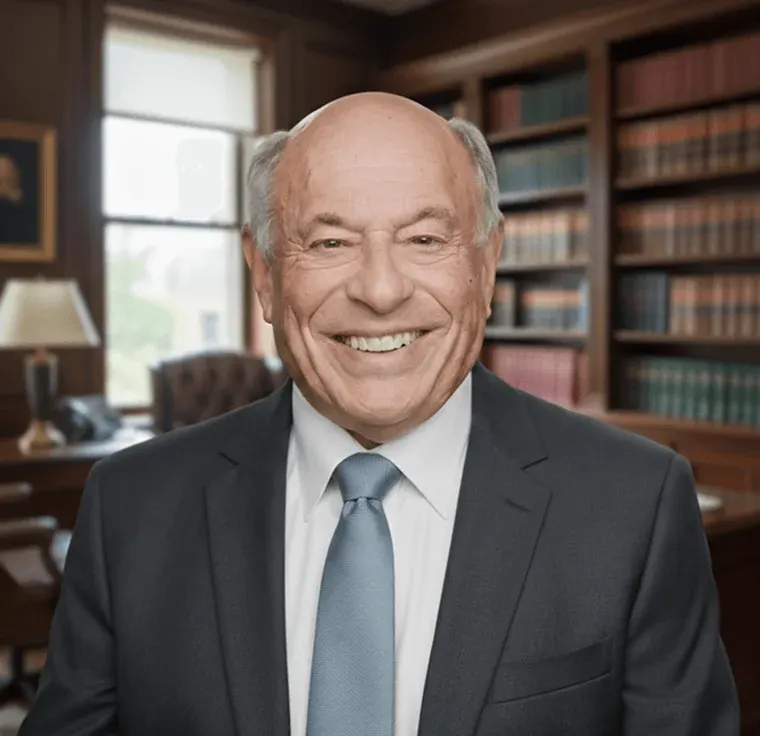
Paul H. Appel, Esq., business attorney, in his law library

Your attorney

Paul H. Appel, Esq.

Every matter at the firm is handled personally by Paul — the same attorney reads the documents, gives the advice and negotiates on your behalf.

Education
Columbia Law School, Juris Doctor (1967)
Experience
58+ years in commercial and business law
Focus for this matter
Commercial and business law for owner-run companies
Office
Freehold, NJ — serving Monmouth, Middlesex & Ocean Counties
More about Paul and the firm

Contact

Discuss Your Business Matter With Paul

Describe what the business is dealing with — a contract on your desk, a deal in progress, a dispute or a company you are about to form. You will hear back from the attorney who handles the work.

Start a conversation

Schedule a Free Consultation

Loading the secure consultation form… If it does not appear, call 917-748-6124 or email paul@paulappellaw.com.