
Monmouth County · New Jersey

Eatontown Business Attorney for Retail, Franchise and Service Companies

Eatontown is one of Monmouth County's busiest retail crossroads, and the legal work there follows the shopping centers: tenant leases, franchise purchases, staffing agreements and the occasional sale of an established store. Paul H. Appel handles that work from his Freehold office.

Why Eatontown is different

A borough built around retail corridors and reinvention

Eatontown is a Monmouth County borough where Route 35 and Route 36 meet, lined with a regional mall, shopping plazas, restaurants and service businesses.

Part of the former Fort Monmouth property lies within the borough, and the redevelopment of that land since the Army base closed has added another layer of commercial activity. Even so, the everyday legal issues for most local owners are the familiar ones of a retail economy: landlord relationships, brand agreements, staff and the purchase or sale of going concerns.

Owners in Eatontown typically work with the firm by phone and video, with document review handled by email. When a lease negotiation or closing calls for a meeting, Paul meets clients in person at his Freehold office by appointment. The firm does not maintain an Eatontown location.

Shopping-center leases

Lease terms Eatontown tenants should understand before signing

Leases in managed retail centers are longer and more landlord-friendly than most small-business owners expect. These four clauses deserve particular attention.

Shared costs

Common area maintenance and pass-through charges

CAM charges cover the center's parking lots, lighting, landscaping and management, and often taxes and insurance too. Look for a clear definition of what is included, a cap on annual increases, and a right to review the landlord's reconciliation.

Neighbors

Co-tenancy and exclusive-use protections

A co-tenancy clause can reduce rent if an anchor tenant leaves; an exclusive-use clause can stop the landlord leasing to a direct competitor. Neither appears unless a tenant asks for it.

Location

Relocation and radius restrictions

Some center leases let the landlord move you to another unit, or bar you from opening a second store within a set distance. Both can limit future growth and should be negotiated or narrowed.

Exit

Assignment, subletting and guaranties

If you may sell the business, the lease must allow assignment on reasonable terms. A personal guaranty that never expires is worth limiting by time or amount. The firm's commercial lease agreements page covers drafting in more depth.

Retail business owners reviewing lease papers at an office desk before signing for an Eatontown shopping center unit

Beyond the lease

Other services Eatontown businesses use

  • Franchise agreement review

    Brand-name restaurants and service franchises are common along the borough's corridors. Before you sign, the disclosure document and franchise agreement should be read together, with attention to territory, fees, renewal and transfer rights.

    Franchise agreement review
  • Staff agreements

    Store managers, sales staff and key employees may warrant written terms on compensation, confidentiality and, where appropriate, reasonable restrictive covenants. New Jersey courts weigh non-competes for reasonableness, so drafting matters.

    Employment contracts
  • Buying an existing store

    Purchasing a going concern in a plaza involves the purchase agreement, landlord consent, inventory and equipment transfer and New Jersey's bulk-sale notice to the Division of Taxation before closing.

    Small business acquisitions

A franchise purchase, step by step

How the firm approaches a franchise unit for an Eatontown buyer

  1. Read the disclosure document

    The Franchise Disclosure Document must be delivered at least 14 days before you sign or pay. Paul reviews its 23 items with you, focusing on fees, litigation history and the financial obligations it describes.

  2. Match the agreement to the site

    Territory, opening deadlines and build-out obligations are compared against the specific Eatontown location and its lease, so the two documents do not conflict.

  3. Negotiate what can move

    Some franchisors will adjust development schedules, transfer terms or guaranty language. You learn which requests are realistic before the deal is final.

  4. Form the operating entity

    The unit is usually owned through a new LLC or corporation, with an operating agreement or shareholder agreement among any co-investors.

Questions

Eatontown business owners ask

My shopping-center lease renewal arrived with higher CAM charges. Can that be negotiated?

Often, yes, particularly at renewal when the landlord wants to avoid a vacancy. Paul can review how the charges are calculated, whether capital improvements are being passed through improperly, and whether a cap or audit right can be added. The outcome depends on the center and the market, but asking is rarely wasted effort.

Is a lawyer necessary if the franchisor says its agreement is non-negotiable?

Yes. Even when terms are fixed, you need to understand what you are agreeing to — termination grounds, personal guaranties, transfer restrictions and post-term covenants — before committing years of your savings. New Jersey's Franchise Practices Act may also offer protection, depending on whether the franchise meets the Act's thresholds.

Do small Eatontown employers really need written employment agreements?

Not for every position. Hourly retail staff are usually covered by an offer letter and handbook policies. Managers and employees with access to customer lists, pricing or supplier relationships are a different matter; a written agreement on confidentiality and duties protects the business and sets clear expectations.

How is the work billed?

Lease reviews, franchise reviews and most agreements are quoted as a flat fee after an initial conversation about scope. The scope and fee are confirmed in writing before any work begins. See the Monmouth County business law overview for more on how the practice serves local owners.

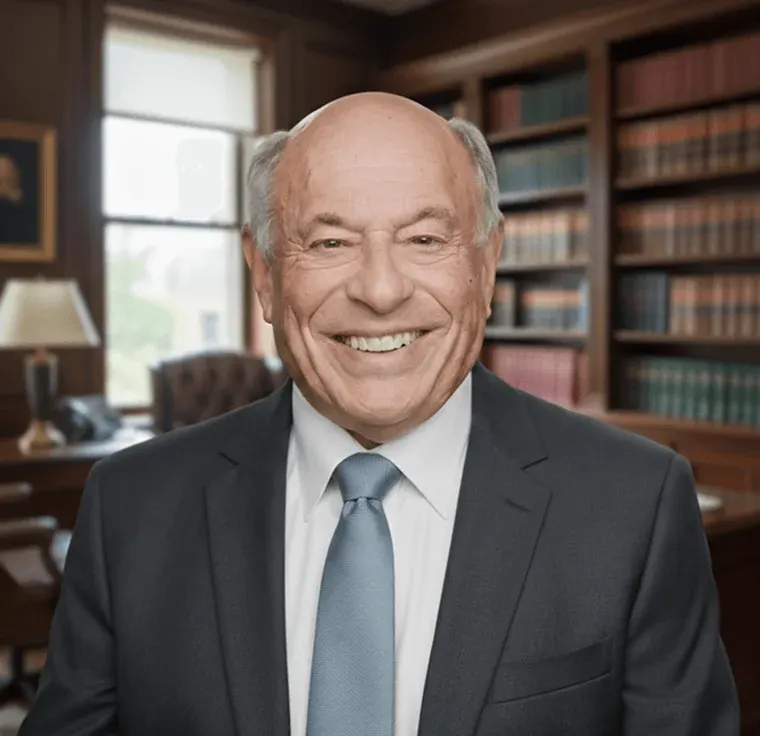
Paul H. Appel, Esq., business attorney, in his law library

Your attorney

Paul H. Appel, Esq.

Every matter at the firm is handled personally by Paul — the same attorney reads the documents, gives the advice and negotiates on your behalf.

Education
Columbia Law School, Juris Doctor (1967)
Experience
58+ years in commercial and business law
Focus for this matter
Commercial and business law for owner-run companies
Office
Freehold, NJ — serving Monmouth, Middlesex & Ocean Counties
More about Paul and the firm

Contact

Discuss Your Business Matter With Paul

Describe what the business is dealing with — a contract on your desk, a deal in progress, a dispute or a company you are about to form. You will hear back from the attorney who handles the work.

Start a conversation

Schedule a Free Consultation

Loading the secure consultation form… If it does not appear, call 917-748-6124 or email paul@paulappellaw.com.