
Mergers & Acquisitions · Main Street Deals

Legal Counsel for Main Street Business Purchases

Small acquisitions run on tight margins and tight timelines: a broker's form, a bank's checklist and a seller who wants to retire. Paul H. Appel helps buyers and sellers in owner-operated deals keep the documents proportionate without leaving the important protections out.

What makes a deal Main Street

Smaller price, same legal moving parts

A Main Street acquisition is typically the purchase of a business run by its owner: a shop, a service company, a restaurant, a small practice or a trade. The price is modest by M&A standards, but the buyer is often investing savings and signing a personal guarantee.

That combination makes proportion the key skill. A small deal does not need a two-hundred-page agreement, but it does need the same core protections as a larger one: accurate representations, a way to recover if they are wrong, clear title to what is being sold, and a lease that will survive the change of ownership.

Three features show up in most of these transactions and drive most of the legal work: a business broker, bank financing guaranteed by the U.S. Small Business Administration, and an owner whose knowledge has to be handed over. Each is covered below. For the wider range of deals the firm handles, see mergers and acquisitions services.

Three recurring features

Brokers, SBA lenders and the selling owner

Broker deals

Working from the broker's paperwork

Brokers often supply a standard offer or purchase form. These forms move deals along, but they are written for broad use and tend to be thin on buyer protections such as indemnity, escrow and detailed representations. Treat them as a starting draft, not a final document, and remember the broker is usually paid by the seller.

SBA financing

The lender's checklist becomes your timeline

SBA-backed loans come with program requirements on equity injection, personal guarantees from significant owners, seller notes and the form of closing documents. The rules are revised from time to time, so confirm current terms with the lender. Agreement drafts should be shared with the lender early to avoid rewrites.

Owner transition

Buying the know-how, not just the assets

In many small businesses customers and suppliers deal with the owner personally. A written transition arrangement, with defined hours, duration and pay, plus a reasonable non-compete, protects the goodwill the buyer is paying for.

Retiring small business owner shaking hands with the buyer of the business

Paying for it

How financing shapes the documents

Most small acquisitions are financed by a mix of bank debt, the buyer's own cash and sometimes a seller note. Each source places requirements on the others. The bank will want a first-priority lien and may restrict when the seller can be repaid. The seller will want security and default rights. The buyer will want the flexibility to run the business without tripping covenants in two loan documents at once.

Getting these terms to fit is a drafting exercise as much as a negotiation, and it is best done before the LOI commits the parties to a structure the lender will not accept. The firm's pages on acquisition financing and seller financing go further into each.

Buyers pledging a home or other personal assets should also read the guidance for homeowners buying a business, which addresses guarantees and personal exposure.

The handover

Terms to settle in the owner's transition plan

These points are frequently agreed in conversation and then forgotten. Put them in writing as part of the deal.

  • How long the seller will work in the business after closing, and for how many hours a week
  • Whether the seller is paid as an employee or a consultant during transition
  • Introductions to key customers, suppliers and referral sources, and who makes them
  • Transfer of passwords, phone numbers, websites, social accounts and software licenses
  • Scope, geography and length of the seller's non-compete and non-solicitation covenants
  • What happens if the seller is unable or unwilling to complete the transition

Keeping it proportionate

Controlling legal cost in a small deal

Legal fees should match the size and risk of the transaction. The firm agrees scope and fee in writing at the outset, and for many small purchases a defined scope works well: LOI review, focused diligence on the lease, liens, licenses and key contracts, and a purchase agreement built around the risks actually found.

Buyers can keep cost down by gathering the seller's documents promptly, deciding early on the acquisition entity, and involving their accountant and lender from the start. The factors that drive the cost of purchase agreement work are discussed on the page about asset purchase agreement lawyer cost.

Small deal questions

Main Street acquisitions: what buyers and sellers ask

Is a lawyer worth it for a small business purchase?

For most buyers, yes, because the risks do not shrink with the price. An unassignable lease, a lien on equipment or an unpaid tax bill can wipe out a buyer's equity in a small deal. Counsel scoped to the transaction's real risks is usually a small fraction of what is at stake.

Should I sign the broker's standard purchase agreement?

Not without review. Broker forms are designed to get a deal signed and often leave out indemnification, escrow, detailed seller representations and conditions tied to financing or the lease. They can usually be amended or replaced with an agreement prepared by counsel, and most brokers expect that.

What does an SBA lender require at closing?

Requirements vary by lender and change as program rules are updated, but commonly include an equity contribution from the buyer, personal guarantees from significant owners, lien searches, insurance, landlord documentation, and restrictions on any seller note. Ask the lender for its closing checklist as soon as you have a commitment letter.

How long should the seller stay after closing?

Long enough to transfer relationships and know-how, which depends on the business. Some handovers take a few weeks; customer-facing service businesses may need several months. The agreement should define the period, the seller's duties and compensation, and the consequences if the seller does not perform.

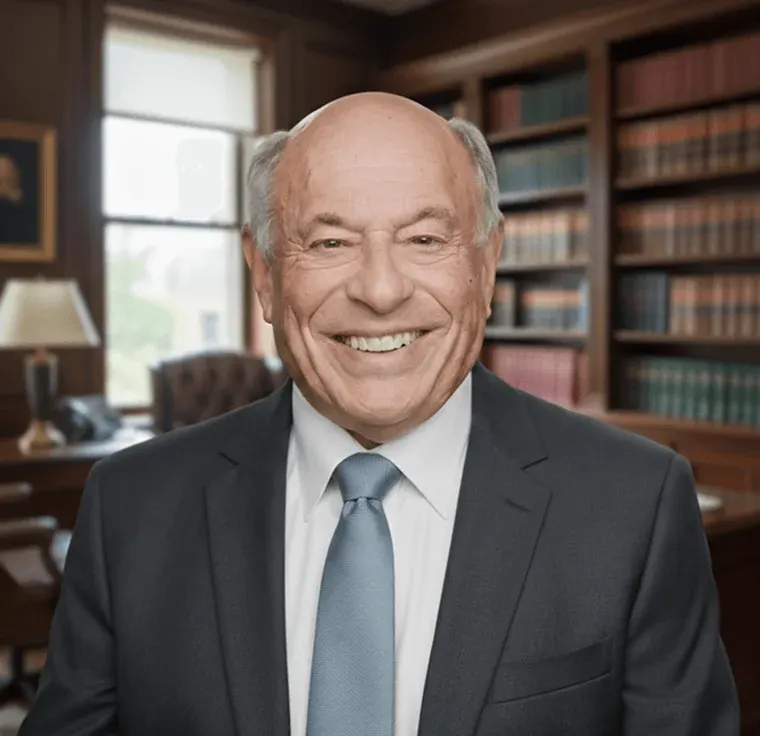
Paul H. Appel, Esq., business attorney, in his law library

Your attorney

Paul H. Appel, Esq.

Every matter at the firm is handled personally by Paul — the same attorney reads the documents, gives the advice and negotiates on your behalf.

Education
Columbia Law School, Juris Doctor (1967)
Experience
58+ years in commercial and business law
Focus for this matter
Business acquisitions, sales, due diligence and closing documents
Office
Freehold, NJ — serving Monmouth, Middlesex & Ocean Counties
More about Paul and the firm

Contact

Discuss Your Business Matter With Paul

Describe what the business is dealing with — a contract on your desk, a deal in progress, a dispute or a company you are about to form. You will hear back from the attorney who handles the work.

Start a conversation

Schedule a Free Consultation

Loading the secure consultation form… If it does not appear, call 917-748-6124 or email paul@paulappellaw.com.