
Legal Fees · Asset Purchases
What Drives the Legal Cost of an Asset Purchase — and How to Control It
No honest lawyer can quote a price for an asset purchase without knowing the deal. What can be explained is which factors make the work larger or smaller, how fees are structured, and what you can do to keep them in proportion.
The short answer
The fee follows the scope of the deal
The cost of legal work on an asset purchase agreement depends far more on the complexity of the transaction than on the purchase price. A modest deal with messy records and a difficult landlord can take more work than a larger, well-organized one.
This page does not list fees, because any number given without knowing your transaction would be misleading. Instead it explains what the work consists of and which variables move it, so you can compare proposals sensibly and avoid paying for problems that preparation could have prevented.
The firm's own practice is to agree the scope and fee in writing before work begins, so a client knows what is included and what would count as additional work.
Cost drivers
Factors that make an engagement larger or smaller
| Factor | Tends to keep work contained | Tends to expand work |
|---|---|---|
| Who drafts | Buyer's counsel works from an agreed LOI | Several rounds of competing drafts |
| Records | Organized financials, contracts and corporate documents | Missing agreements, unclear ownership, informal arrangements |
| Assets | Mostly equipment, inventory and goodwill | Real estate, licenses, IP, vehicles, multiple locations |
| Third parties | Few consents needed | Landlord, franchisor, lender and key customer consents |
| Financing | All cash | Bank loan plus seller note with security and subordination |
| Negotiating style | Parties aligned on main terms | Disputes over caps, escrow and covenants |
| Diligence findings | Few issues | Liens, litigation, tax gaps needing special provisions |
Most deals sit somewhere in between. The value of identifying these factors early is that the scope can be described accurately at the start.
Billing models
Flat fees, retainers and hourly work
Law firms price transaction work in a few ways. A flat fee covers a defined scope for an agreed amount, giving the client certainty and putting the efficiency risk on the lawyer. Hourly billing charges for time spent, which suits work whose extent genuinely cannot be predicted. Some engagements combine the two: a flat fee for drafting and closing, with hourly billing for anything outside the defined scope, such as a dispute that develops along the way.
The Law Offices of Paul H. Appel uses flat fees for formations, contracts and startup packages, monthly retainers for clients who want ongoing counsel, and hourly billing only where the work genuinely calls for it; which approach applies to a particular acquisition is set out in the written engagement terms. Because Paul handles every matter personally, there is no layering of associate and partner time on the same task.
- Ask exactly what a quoted fee includes: diligence review, ancillary documents, the bulk sale filing, closing attendance.
- Ask what happens if the deal changes shape, such as from an asset to a stock purchase.
- Ask how communications with your accountant, lender or broker are handled.
Practical savings
Five ways to keep legal costs proportionate
Involve counsel before signing the LOI
Fixing a poorly drafted letter of intent later costs more than reviewing it first. The firm's letter of intent guidance explains which terms to settle early.
Gather documents in one place
A shared folder with the seller's contracts, financials and corporate records saves hours of back-and-forth.
Decide your priorities
Tell counsel which protections matter most to you. Negotiating every clause to the maximum costs time; negotiating the right ones is efficient.
Coordinate advisers early
When the accountant, lender and lawyer talk at the start, the structure is set once instead of revised later.
Keep the timeline realistic
Rushed closings generate emergency work. Allowing time for consents and the bulk sale notice avoids last-minute premiums in effort.
Perspective
The cost of skipping the work
Legal fees are visible; the cost of thin documentation shows up later. Common examples:
Inherited tax debt
A missed bulk sale notice can leave the buyer answerable for the seller's unpaid state taxes.
Missing assets
A domain name, phone number or software license left off the schedule may remain with the seller.
No practical remedy
Without escrow or offset rights, recovering a loss from a seller often requires litigation that costs more than the original fee.
Next step
Getting a defined scope for your transaction
To scope an engagement the firm usually needs the letter of intent or term sheet, a summary of the assets and any financing, and a sense of which side will draft. From that, Paul can describe the work and the fee in writing. For a description of what the drafting itself involves, see asset purchase agreement services; for the wider buying process, see M&A services for NJ businesses.
Questions & answers
Legal fees for asset purchases — questions
How much does a lawyer charge for an asset purchase agreement?
It depends on the scope: who drafts, how organized the seller's records are, how many consents are required, whether there is financing, and how hard the parties negotiate. A responsible firm will review the deal terms before quoting. The firm provides its scope and fee in writing before any work starts, rather than publishing a figure that may not fit your transaction.
Is a flat fee or hourly billing better for a business purchase?
A flat fee gives you certainty and suits work with a clear scope, such as drafting and closing a defined deal. Hourly billing can be fairer when the work is genuinely unpredictable, like a negotiation that turns contentious. Many engagements combine a defined flat scope with hourly billing for anything outside it.
Who pays the legal fees in an asset sale?
Ordinarily each side pays its own lawyer. Occasionally the parties agree to split a shared cost, such as an escrow agent's fee. Because buyer and seller have opposing interests in the agreement, one lawyer should not represent both sides.
How can I keep legal costs down when buying a business?
Bring counsel in before signing the letter of intent, get the seller's records organized early, tell your lawyer which issues matter most, and allow realistic time for consents and filings. Most avoidable cost comes from reworking terms that were agreed too quickly.
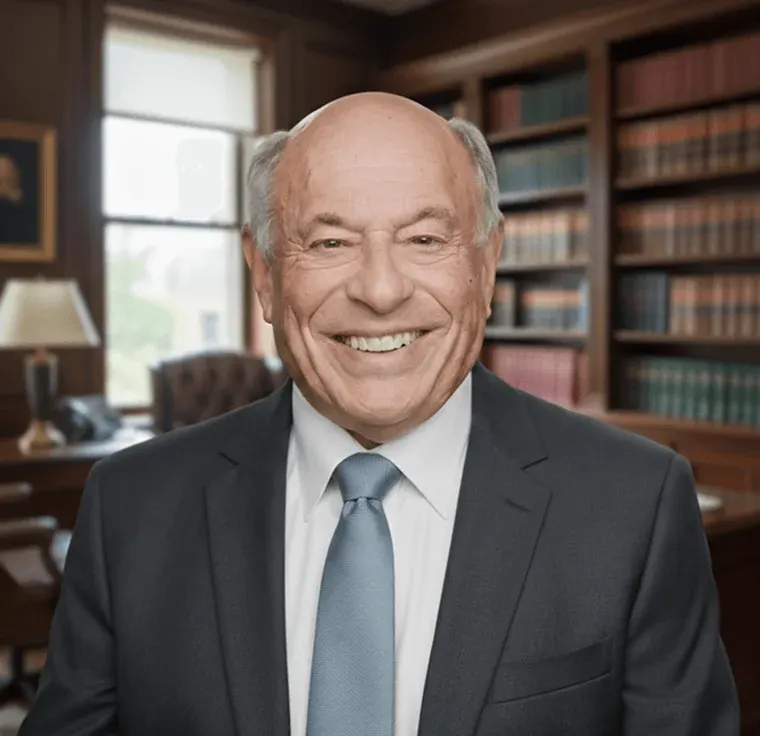
Your attorney
Paul H. Appel, Esq.
Every matter at the firm is handled personally by Paul — the same attorney reads the documents, gives the advice and negotiates on your behalf.
- Education
- Columbia Law School, Juris Doctor (1967)
- Experience
- 58+ years in commercial and business law
- Focus for this matter
- Business acquisitions, sales, due diligence and closing documents
- Office
- Freehold, NJ — serving Monmouth, Middlesex & Ocean Counties
Contact
Discuss Your Business Matter With Paul
Describe what the business is dealing with — a contract on your desk, a deal in progress, a dispute or a company you are about to form. You will hear back from the attorney who handles the work.
- Phone917-748-6124
- Office11 Crestwood Drive, Freehold, NJ 07728
- ConsultationsBy phone, video or in person by appointment
Start a conversation