
Mergers & Acquisitions · Financing
Paying for the Deal: Legal Help Structuring Acquisition Financing
Most buyers combine several sources of money to buy a business, and each one brings its own documents, conditions and personal exposure. The legal work is making those layers fit together and fit the purchase agreement.
A third party at the table
Financing changes the deal, not only the funding
Once a lender or investor is involved, the acquisition has a new participant with its own requirements for structure, timing, collateral and disclosure.
A buyer may negotiate an excellent purchase agreement and then find that the bank will not accept its closing date, its treatment of a key lease or the way the seller note is written. Lenders can also require changes to the entity that buys the business, insist on certain representations from the seller, or condition funding on items that only the seller can deliver.
Paul represents buyers, not lenders. The firm's job is to protect the buyer in the financing documents while keeping the acquisition agreement consistent with what the lender will require, so that the two sets of papers do not collide shortly before closing. This sits within the firm's general buyer and seller M&A practice.
Where the money comes from
Common financing sources and what each involves
Rates, limits and eligibility change and are set by the lender or program, so this table describes legal features only.
| Source | How it typically works | Legal points to watch |
|---|---|---|
| Conventional bank loan | Term loan secured by business assets, sometimes with a line of credit for working capital | Financial covenants, collateral package, personal guarantees, conditions to funding |
| SBA-guaranteed loan | A bank loan partly guaranteed by the U.S. Small Business Administration, often used for owner-operated businesses | Program eligibility rules, required forms, treatment of seller notes, equity injection and guarantee requirements |
| Seller financing | Part of the price paid to the seller over time under a promissory note | Subordination to the bank, security, set-off and default terms |
| Investor equity | Partners or investors contribute cash for an ownership stake in the buying entity | Operating or shareholder agreement terms, control, distributions, exit rights, securities law compliance |
| Buyer's own funds | Savings, retirement funds or home equity | Personal exposure, tax consequences for your accountant to review, and protecting assets outside the deal |
Using home equity or personal savings carries particular risks for individual buyers; the firm addresses those on its page about buying a business with personal assets.
Personal exposure
Guarantees: the term buyers underestimate
Forming an LLC or corporation to buy the business limits liability in general, but lenders routinely ask the owners of the buying company to sign a personal guarantee of the acquisition loan. That makes the guarantor's own assets available to the lender if the business cannot repay. Spouses are sometimes asked to sign or consent as well, depending on how assets are held.
Guarantee terms are not always fixed. Depending on the lender and the deal, buyers may be able to negotiate limits on the guaranteed amount, a reduction as the loan is paid down, or release on reaching agreed milestones. Even where the lender's form cannot change, understanding exactly what is being guaranteed, including interest, costs and future advances, is essential before signing.
Paperwork
Documents a financed acquisition usually involves
The list varies by lender, but buyers should expect most of the following in addition to the purchase agreement itself.
- Commitment letter or term sheet from the lender, with conditions to funding
- Loan agreement and promissory note
- Security agreement covering business assets, and UCC filings
- Personal guarantees from the buyer's owners
- Subordination agreement with the seller, if there is a seller note
- Landlord waiver or estoppel letter for leased premises
- Evidence of insurance naming the lender
- Formation documents and resolutions of the buying entity
- Investor subscription or operating agreement documents, where equity is raised
Raising investor money brings separate questions about governance and securities rules. Where several co-buyers are involved, a carefully drafted operating agreement for the buying LLC matters as much as the loan.
Keeping it aligned
Coordinating the financing with the purchase
Match the LOI to the financing plan
The letter of intent should reflect the real financing structure, including any seller note and its terms and a realistic financing deadline.
Share the draft purchase agreement early
Lenders often have views on the structure, the closing conditions and the seller's representations. Learning them early avoids last-minute redrafting.
Review the commitment and loan documents
Paul reviews the lender's documents from the buyer's side, focusing on guarantees, covenants, defaults and conditions to funding.
Run one closing checklist
Acquisition and financing deliverables are tracked together so the funds and the business transfer on the same day.
Questions
Acquisition financing FAQs
What are the main ways to finance buying a business?
Buyers commonly combine a bank loan, sometimes one partly guaranteed by the Small Business Administration, with a seller note and their own cash. Some bring in investors or partners for equity. The mix depends on the price, the business's cash flow and the buyer's resources. Each source adds documents and conditions that must be coordinated with the purchase agreement.
Will I have to sign a personal guarantee?
In most small and mid-sized acquisitions financed by a bank, yes. Lenders usually require the owners of the buying company to guarantee the loan personally. It may be possible to negotiate limits or releases, depending on the lender. Before signing, you should understand exactly what the guarantee covers and how it interacts with any other debts you have guaranteed.
How does lender approval affect the purchase agreement?
Financing is often a condition to the buyer's obligation to close, with a deadline. The lender may also require particular seller deliverables, such as landlord documents, lien releases or specific representations. Writing those requirements into the purchase agreement from the start keeps the seller obliged to cooperate and avoids surprises at closing.
Can I bring in investors to help buy a business?
Yes, but the terms need to be agreed and documented carefully. Investors will expect clarity on ownership percentages, decision-making, distributions and exit. Offering ownership interests to investors can also raise securities law questions. Lenders may want to know who the investors are and may ask significant owners to guarantee the loan.
Your attorney
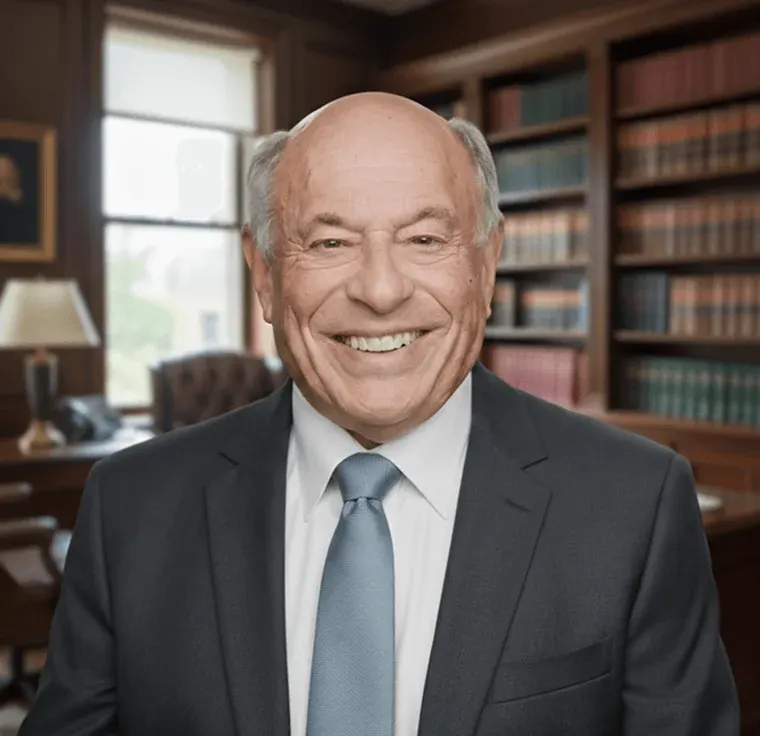
Paul H. Appel, Esq.
Every matter at the firm is handled personally by Paul — the same attorney reads the documents, gives the advice and negotiates on your behalf.
- Education
- Columbia Law School, Juris Doctor (1967)
- Experience
- 58+ years in commercial and business law
- Focus for this matter
- Business acquisitions, sales, due diligence and closing documents
- Office
- Freehold, NJ — serving Monmouth, Middlesex & Ocean Counties
Contact
Discuss Your Business Matter With Paul
Describe what the business is dealing with — a contract on your desk, a deal in progress, a dispute or a company you are about to form. You will hear back from the attorney who handles the work.
- Phone917-748-6124
- Office11 Crestwood Drive, Freehold, NJ 07728
- ConsultationsBy phone, video or in person by appointment
Start a conversation