Management
Who decides, and how
Member-managed or manager-managed; which decisions a manager can make alone; which need a majority or unanimous vote — borrowing, selling major assets, admitting members, changing the business.
The Law Offices of Paul H. Appel – Your Trusted Business Law Partner in New Jersey

LLC Governance · Operating Agreements
The operating agreement is the private contract among an LLC's members. Written well, it answers the hard questions — money, control, departures, deadlock — before anyone has a reason to argue about them.
Why it matters
Under New Jersey's LLC Act, the operating agreement governs the members' relationship, and most statutory rules apply only where the agreement is silent. Leave it out, and the State's default rules decide for you.
Those defaults were written as a generic fallback. They cover voting, distributions, transfers of interests and what happens when a member leaves, and they frequently produce results the members never intended — an owner who walks away but keeps an economic interest, for example, or a sale of the business that needs unanimous consent nobody can obtain. A carefully drafted agreement replaces them with terms the members have actually chosen.
Paul drafts operating agreements as part of every LLC formation the firm handles and for existing companies whose agreement is missing, outdated or copied from a template. The finished document is plain enough for the members to read and specific enough to settle disputes. Agreements for corporations work differently; for those, see the page on bylaws and corporate governance.
The core provisions
Management
Member-managed or manager-managed; which decisions a manager can make alone; which need a majority or unanimous vote — borrowing, selling major assets, admitting members, changing the business.
Capital
What each member contributed and at what agreed value, whether further contributions can be required, and what happens to a member's percentage if they decline to fund a capital call.
Distributions
The order and timing of distributions, whether tax distributions are paid so members can cover taxes on allocated profit, and any guaranteed payments to members who work in the business.
Transfers
Rights of first refusal, consent requirements, and buy-sell provisions triggered by death, disability, divorce, retirement or termination — with a valuation method stated in advance. The firm's business valuation guidance helps choose one that works.
Deadlock
For two equal members especially: escalation to mediation, a tie-breaking adviser, or a shotgun clause in which one member names a price and the other must buy or sell at it.
Exit
When a member may withdraw, whether withdrawal is a breach, what a departing member receives, and how the company winds up and distributes assets if the members decide to close it.
A threshold choice
| Question | Member-managed | Manager-managed |
|---|---|---|
| Who runs daily operations | All members, as agents of the company | The named manager or managers |
| Suits | Small groups who all work in the business | Companies with passive investors or family members who do not work in it |
| Authority to bind the company | Spread across members, limited by the agreement | Concentrated in managers; members' role mainly voting on major matters |
| Typical risk | One member signing a commitment the others oppose | Managers acting without enough oversight |
Either model can be adjusted: a member-managed agreement can still reserve major decisions to a unanimous vote, and a manager-managed one can give members veto rights over listed actions.
The drafting process
Paul speaks with the members together, and separately where interests differ, about contributions, roles, pay and the outcomes each would want if the relationship ended.
You receive a short list of decisions to make — vesting, vote thresholds, buy-out pricing — with the practical effect of each option explained.
The agreement is drafted around those decisions, with a plain-English summary of the important sections.
Members raise questions and changes; the draft is revised until everyone understands and accepts it.
The agreement is signed together with a consent adopting it, and the membership ledger is updated to match.
Existing companies
Agreements age. A document signed when two friends started the business may say nothing about the third member admitted later, the new line of business, or what happens now that one of them wants to retire. Template agreements downloaded at formation often contain provisions that contradict each other or simply do not fit the company.
Most agreements can be amended by the vote they specify, and a review often turns up a handful of changes worth making together: updating the ownership schedule, adding a buy-sell mechanism, fixing a deadlock gap. Where the members already disagree, the amendment conversation can become a negotiation, and if it has gone further than that, the firm's partnership and member dispute services address the conflict directly. The operating agreement essentials article is a useful primer to read before a review.
Questions & answers
The company still exists and still provides liability protection, but the default provisions of the Revised Uniform Limited Liability Company Act govern how it runs. Those rules may not match what the members agreed informally about profit shares, management or departures, and proving an informal deal after a falling-out is difficult and expensive. A written agreement puts the actual arrangement on record.
The agreement should say in advance. Common approaches are a step-by-step escalation to mediation and then arbitration, appointing a neutral adviser with a casting vote on defined issues, or a buy-sell trigger where one member offers a price and the other chooses to buy or sell at it. Which suits you depends on whether you would rather preserve the business together or have a clean way to separate.
Yes, though it is shorter. It supports the separateness of the company from its owner, shows banks and counterparties who may act, and can name a successor manager if the owner becomes incapacitated or dies — otherwise the business may stall while an estate is administered. It can also set the terms for admitting a second member later.
Usually, by following the amendment procedure the agreement itself sets out, which is often a unanimous or supermajority vote. If the agreement is silent, the statute's default rules apply. The amendment should be in writing, signed by the required members and kept with the original, and related records such as the membership ledger should be updated at the same time.
Your attorney
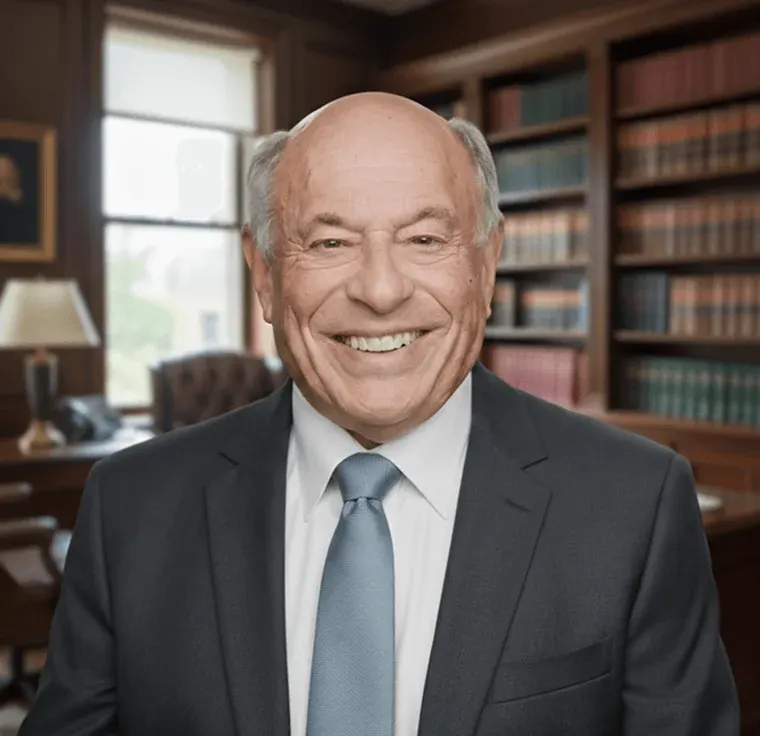
Every matter at the firm is handled personally by Paul — the same attorney reads the documents, gives the advice and negotiates on your behalf.
Contact
Describe what the business is dealing with — a contract on your desk, a deal in progress, a dispute or a company you are about to form. You will hear back from the attorney who handles the work.
Start a conversation