
Ocean County · New Jersey

Plumsted Township Business Attorney for Farms, Rural Trades and Family Companies

In western Ocean County's farm country, many businesses are run by one family across decades, on land and equipment that hold most of the family's wealth. Paul H. Appel helps Plumsted owners organize that operation, put its key contracts in writing and plan who runs it next.

Local character

A rural township where the business and the family are often the same thing

Plumsted is an Ocean County township on the county's western, largely agricultural edge, centerd on the village of New Egypt and far removed from the shore economy of the barrier islands.

Business here tends to mean farms and nurseries, equine operations, landscaping and excavation outfits, small contractors and the shops that serve them. What these have in common is that the owner's household, land and working assets are tangled together. A tractor bought in a parent's name, a field leased on a handshake to a neighbor, a son who has run the place for years without owning any of it — those arrangements work until someone dies, divorces, borrows money or wants out.

The firm's work for Plumsted owners is mostly about untangling that: deciding which entity owns what, writing down the deals that are currently oral, and building a handover plan. Clients work with Paul by phone or video, or meet him in person at the Freehold office by appointment. There is no office in Plumsted.

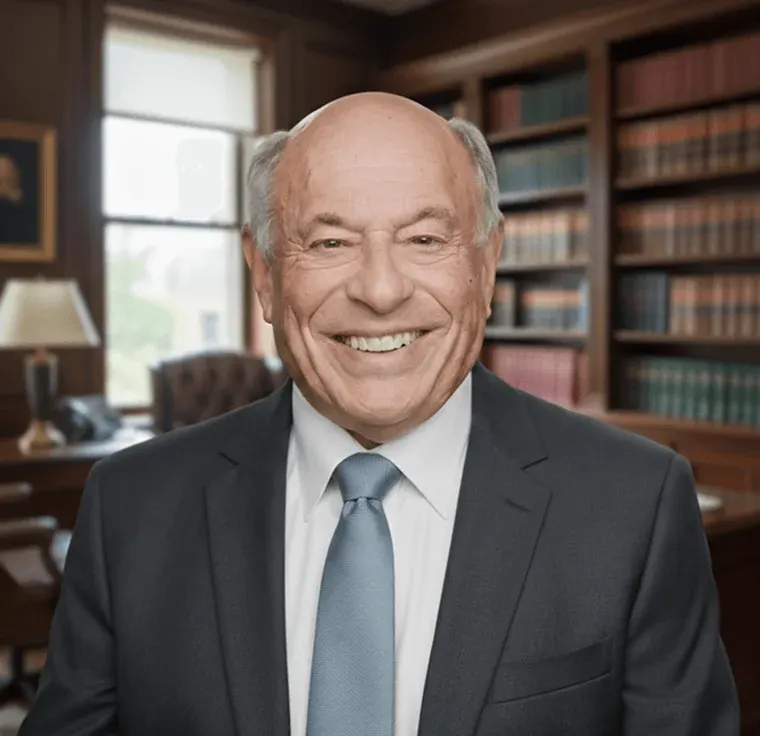
Paul H. Appel in a suit standing in front of law-library shelves, the attorney who advises Plumsted family businesses

Services in use

Where Plumsted owners most often bring in a business lawyer

Structure

Separating the operation from the household

Many rural businesses start as sole proprietorships and never change. Moving the working side into an LLC — and sometimes holding land or heavy equipment in a separate entity that leases to it — can limit how far a business debt or accident reaches. The trade-offs are covered on the firm's entity formation services page.

Ownership

An operating agreement that reflects who does the work

When siblings, a parent and an adult child, or two neighboring families share an operation, the operating agreement should say who decides, how profit is split in a bad year and what happens if one owner stops working.

Contracts

Buyers, suppliers and custom work

Standing arrangements with a produce buyer, a feed or fertiliser supplier, or a customer who hires your crew for grading or hauling deserve written terms on price changes, delivery, payment timing and who bears loss if a crop or job fails.

Continuity

Passing the business to the next generation

Succession is the issue most Plumsted families raise last and need first. It is discussed in more detail below.

Succession

Handing over a farm or rural business without splitting the family

A typical tension: one child works the operation full time, others have moved away, and the parents want to treat everyone fairly. Equal shares of a business that only one person runs often produce resentment and, eventually, a forced sale. A plan can give the operating heir control while compensating the others through other assets, a buyout over time, or non-voting interests.

A sound succession plan usually works through these points with the family's accountant and estate planner:

  • Who will own and who will manage, and whether those are the same people
  • How the business and the land will be valued for a buyout or transfer
  • A buy-sell agreement triggered by death, disability or a desire to leave
  • How the transfer is funded so the business is not drained to pay out heirs
  • Updated titles, registrations and lender consents once interests move

The firm's succession planning service covers the legal documents involved. Tax treatment of a transfer is fact-specific and should be confirmed with your accountant.

A first meeting

What to gather before talking to Paul about a Plumsted operation

Rural businesses rarely have a tidy file. Bring what exists; the gaps are part of what the first conversation identifies.

  • Deeds, leases or informal arrangements for any land the business uses
  • A list of major equipment and whose name each item is titled or financed in
  • Any existing entity paperwork, tax returns showing how the business files, and loan documents
  • Written or oral deals with regular buyers, suppliers and seasonal helpers
  • A short note on who in the family works in the business and who expects to own part of it

Scope and a fee are confirmed in writing before work begins, and formation or contract projects are usually quoted as a flat fee.

Questions

Plumsted Township owners ask

Should a family farm in Plumsted Township be organized as an LLC?

Often it makes sense, because an LLC can separate business liabilities from personal assets when it is properly maintained, and it gives co-owners a written framework. Whether land should sit inside the same LLC or in a separate entity depends on financing, farmland tax status and estate goals. Paul reviews those points with you and your accountant before anything is filed.

How early should we start succession planning for the operation?

Years before the handover, ideally while the senior generation is still active and can explain how the business really runs. Early planning leaves room to transfer interests gradually, train the successor and fund buyouts without a crisis. Waiting until a death or illness usually narrows the options and leaves decisions to whatever documents happen to exist.

Is a handshake deal with a long-time buyer or supplier enforceable?

Some oral agreements are enforceable, but proving their terms is hard, and certain contracts, including many sales of goods above a modest value, generally need a signed writing. A short written agreement covering price, quantities, delivery and payment protects both sides and survives changes in who runs either business.

Do I need to travel to Freehold for every meeting?

No. Most Plumsted matters are handled by phone, video and email, with documents reviewed and signed electronically. Owners who prefer to meet in person can schedule a time at the Freehold office. The Ocean County business law hub explains how the practice serves the wider county.

Paul H. Appel, Esq., business attorney, in his law library

Your attorney

Paul H. Appel, Esq.

Every matter at the firm is handled personally by Paul — the same attorney reads the documents, gives the advice and negotiates on your behalf.

Education
Columbia Law School, Juris Doctor (1967)
Experience
58+ years in commercial and business law
Focus for this matter
Commercial and business law for owner-run companies
Office
Freehold, NJ — serving Monmouth, Middlesex & Ocean Counties
More about Paul and the firm

Contact

Discuss Your Business Matter With Paul

Describe what the business is dealing with — a contract on your desk, a deal in progress, a dispute or a company you are about to form. You will hear back from the attorney who handles the work.

Start a conversation

Schedule a Free Consultation

Loading the secure consultation form… If it does not appear, call 917-748-6124 or email paul@paulappellaw.com.