
Middlesex County · New Jersey
A Milltown Business Lawyer for Co-Owners, Family Firms and Everyday Contracts
Milltown is a small borough where many businesses are owned by two people: spouses, siblings, old friends or a founder and a key employee. The firm's work there focuses on making those partnerships durable, and on handling the contracts that come across an owner's desk each month.
Milltown businesses
Small companies with more than one person in charge
Milltown is a Middlesex County borough in the center of the county, close to East Brunswick and New Brunswick, with a modest commercial district and many home-based and service businesses.
Shared ownership is common at this scale, and it is where small businesses most often get into legal difficulty. Two owners who agree on everything in year one can diverge sharply by year five, about money, hours, expansion or whether to sell. A company with clear rules for those moments can absorb disagreement; one without them may not survive it.
Paul H. Appel helps Milltown owners write those rules and, when needed, resolve disputes under them. The firm has no Milltown office; clients meet by phone or video, or in Freehold by appointment.
Why co-ownership needs paperwork
What the default rules will not do for you
New Jersey's LLC statute supplies default rules when an operating agreement is silent, but those defaults were not written with your business in mind. They may not address who can sign contracts, how much each owner must work, how profits are distributed or what an owner's interest is worth when he or she leaves.
A tailored operating agreement fills those gaps. For a two-owner company the most valuable provisions are often the tie-breaker for deadlocks and the buyout mechanism: what triggers it, how price is set and how payment is spread over time so the remaining owner can afford it. The firm's guide to operating agreements covers the full list.
For two-owner companies
Questions a Milltown operating agreement should answer
- What did each owner contribute, and is anyone owed for it?
- Who has authority to sign contracts, borrow or hire?
- Which decisions require both owners to agree?
- How are profits distributed, and how are owner salaries set?
- What happens if the owners deadlock on a major decision?
- What triggers a buyout: retirement, disability, death, divorce, misconduct?
- How is the departing owner's interest valued and paid?
- Can an owner compete with the company after leaving?
Owners who never adopted an agreement can still adopt one now, as long as both agree to its terms.
Practice overview
Three ways the firm supports Milltown owners
Governing documents
Drafting or updating operating agreements, bylaws and owner agreements so they match how the business really operates today.
Operating agreementsResolving owner disagreements
When partners clash, mediation or a negotiated buyout usually preserves more value than litigation. Paul can represent one owner or help structure a mediated resolution.
Mediation and arbitrationMonthly counsel for routine contracts
Owners who sign supplier agreements, equipment leases and customer terms regularly can use a fixed monthly retainer for quick reviews instead of paying by the project.
Monthly legal retainer
Questions
Milltown owners ask
My co-owner and I disagree about selling the business. What are our options?
Start with the operating agreement, which may require unanimous consent for a sale or provide a buyout procedure. If it is silent, options include negotiating a buyout of one owner, bringing in a mediator, or, as a last resort, court proceedings. The firm's page on partnership disputes explains how these situations are usually approached.
Can a small company afford a monthly retainer?
Many can, because the retainer is scaled to expected volume and the fee is fixed in writing. It suits owners who would otherwise sign contracts unreviewed because each review felt too costly. For businesses with only occasional legal needs, flat-fee project work is usually the better fit.
My spouse and I own the business together. Do we really need an agreement?
It is still advisable. An agreement clarifies management, protects the business if one spouse becomes ill or dies, and reduces uncertainty if the marriage ends. It should be coordinated with any estate planning documents. See the Middlesex County page for the firm's wider county practice.
Nearby
Also serving businesses near Milltown
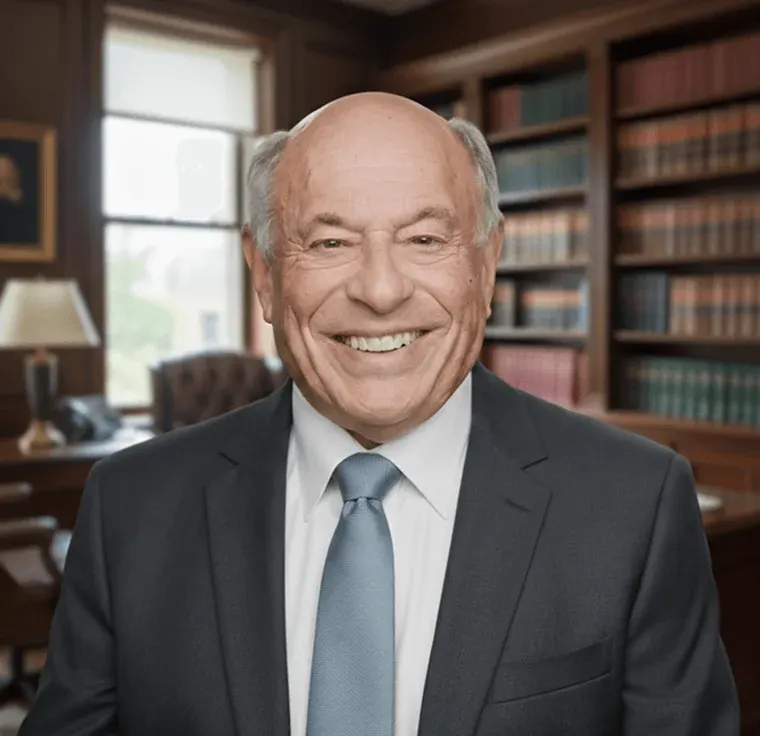
Your attorney
Paul H. Appel, Esq.
Every matter at the firm is handled personally by Paul — the same attorney reads the documents, gives the advice and negotiates on your behalf.
- Education
- Columbia Law School, Juris Doctor (1967)
- Experience
- 58+ years in commercial and business law
- Focus for this matter
- Commercial and business law for owner-run companies
- Office
- Freehold, NJ — serving Monmouth, Middlesex & Ocean Counties
Contact
Discuss Your Business Matter With Paul
Describe what the business is dealing with — a contract on your desk, a deal in progress, a dispute or a company you are about to form. You will hear back from the attorney who handles the work.
- Phone917-748-6124
- Office11 Crestwood Drive, Freehold, NJ 07728
- ConsultationsBy phone, video or in person by appointment
Start a conversation