
Monmouth County · New Jersey
Keyport Business Attorney for Waterfront Restaurants, Specialty Shops and Small Purchases
Keyport's historic waterfront and downtown blocks are home to independent restaurants, antique and specialty shops and owner-run service businesses, many of which change hands from one owner to the next. Paul H. Appel helps buyers, sellers and co-owners document those moves properly.
Keyport's character
A Raritan Bay borough of independent, owner-run businesses
Keyport is a small Monmouth County borough on Raritan Bay, with a waterfront, a harbor and a downtown of older buildings housing restaurants, antique and vintage dealers and specialty retail.
Very few of these are chain businesses. Most are run by the people who own them, and many have been bought from a previous owner rather than started from scratch. Successful shops are often sold to an employee or a regular customer who wants to carry them on. Others are owned by two friends or a couple who split the work.
That pattern means the legal work in Keyport frequently involves small acquisitions, storefront leases in older buildings and agreements between co-owners. Clients work with Paul by phone, by video or in person in Freehold by appointment; the firm has no office in Keyport. The Monmouth County business law hub explains the firm's county-wide work.
Buying an existing shop
How a small Keyport business purchase usually proceeds
Small deals deserve the same basic protections as large ones, scaled to fit the price.
Agree the outline
Price, what is included — inventory, fixtures, name, website, phone number — and any seller financing are captured in a short letter of intent.
Look under the hood
Review the financials, sales tax filings, the lease, supplier relationships and any equipment liens. For a restaurant, check permits and the condition of kitchen equipment.
Secure the lease
The landlord must usually consent to an assignment, or a new lease is signed with the buyer. Without it, the business may have nowhere to operate.
Give the bulk-sale notice
Before closing, the buyer notifies the New Jersey Division of Taxation on Form C-9600 at least 10 business days ahead. Skipping it can leave the buyer liable for the seller's unpaid state taxes.
Close on a written agreement
An asset purchase agreement, bill of sale and assignments transfer the business, with seller representations and, often, a reasonable non-compete.
Other common work
Three more services Keyport owners use
Storefront leases in older buildings
Waterfront and downtown spaces can come with ageing systems, flood-related insurance questions and shared access. A lease review sets out who repairs what and what happens if the space becomes unusable.
Lease reviewCo-owner operating agreements
Two people sharing a shop need written terms on contributions, hours, pay, decisions and what happens if one wants out. An operating agreement is the place to put them.
Operating agreementsConsignment and supplier terms
Antique, vintage and craft sellers who take goods on consignment need agreements stating commission, pricing authority, how long items stay, insurance and when unsold pieces are returned.
Supplier contracts
For sellers
Preparing a Keyport business for sale
Sellers often focus on price and overlook the terms that matter after closing. How long must you stay to train the buyer? Are you guaranteeing anything about the books? If the buyer pays over time, what security do you hold if payments stop?
Getting the lease, records and equipment in order before listing the business makes it easier to sell and shortens negotiations. The firm's guide to selling a business in New Jersey covers those preparations, and asset purchase agreements explains the main document in detail.
Questions
Keyport owners ask
The business I want to buy is small. Do I really need a lawyer?
The smaller the deal, the more each dollar of hidden liability hurts. A buyer of a modest shop still faces the lease assignment, possible equipment liens, the bulk-sale tax notice and representations about the business. Paul offers a written scope and flat fee so the legal cost is known and proportionate to the deal.
I take items on consignment informally. Is that a problem?
It can become one if an item is lost, damaged, sold below the expected price or never collected. A one-page consignment agreement, signed with each consignor, sets commission, pricing authority, insurance, the consignment period and what happens to unclaimed items. It protects your shop as much as the consignor.
My partner and I never wrote anything down. How do we fix that?
Start by agreeing what the arrangement actually is today: who owns what percentage, who does what, and how profits are shared. Paul then prepares an operating agreement, or a partnership agreement if no entity was formed, that reflects it and adds terms for future events such as one owner leaving. It is far easier while you are still on good terms.
Nearby
Also serving businesses near Keyport
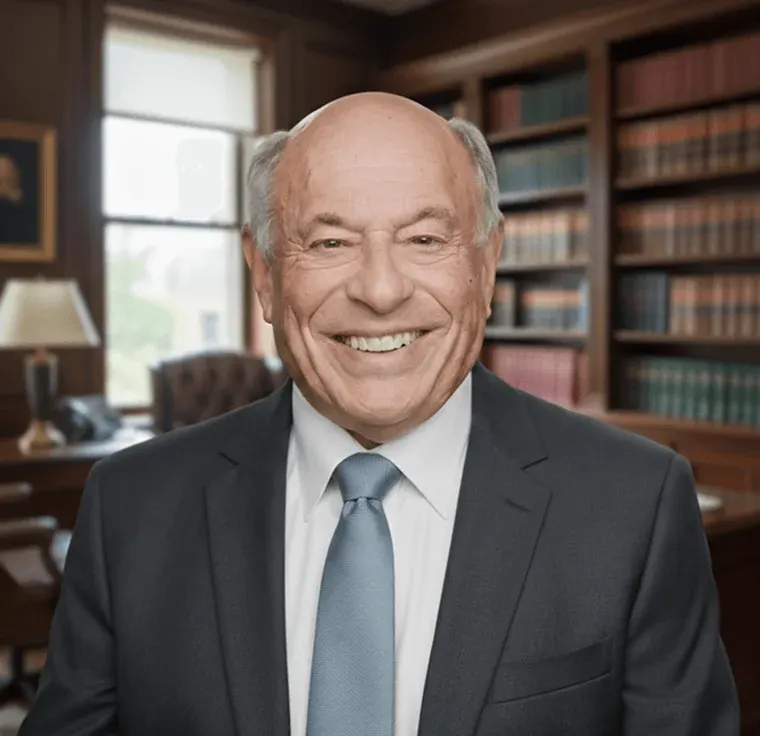
Your attorney
Paul H. Appel, Esq.
Every matter at the firm is handled personally by Paul — the same attorney reads the documents, gives the advice and negotiates on your behalf.
- Education
- Columbia Law School, Juris Doctor (1967)
- Experience
- 58+ years in commercial and business law
- Focus for this matter
- Commercial and business law for owner-run companies
- Office
- Freehold, NJ — serving Monmouth, Middlesex & Ocean Counties
Contact
Discuss Your Business Matter With Paul
Describe what the business is dealing with — a contract on your desk, a deal in progress, a dispute or a company you are about to form. You will hear back from the attorney who handles the work.
- Phone917-748-6124
- Office11 Crestwood Drive, Freehold, NJ 07728
- ConsultationsBy phone, video or in person by appointment
Start a conversation