
Franchise Agreements · Clause Guide

Reading a Franchise Agreement Clause by Clause

Franchise agreements run long and look alike, which is exactly why franchisees skim them. This guide walks through the provisions that shape a franchisee's business for the next decade and what each one actually does.

How the contract is built

One agreement, several layers

A franchise agreement is rarely self-contained. It usually incorporates an operations manual, schedules of fees, a guaranty, state addenda and sometimes a development agreement, all of which bind the franchisee.

The body of the agreement sets the deal's skeleton: what is licensed, for how long, for what payments and on what conditions it can end. The manual fills in day-to-day standards, and most agreements let the franchisor revise the manual during the term. A clause that looks harmless in the agreement can become expensive once a manual update adds new requirements.

Read the agreement with the disclosure document open beside it. Item 17 of the FDD summarizes renewal, termination, transfer and dispute terms in a table, and the agreement should match. Where it does not, ask why before signing. That comparison is the first step in the firm's franchise agreement services for New Jersey franchisees.

Every franchise system drafts these clauses differently. The descriptions below are typical patterns, not a substitute for review of your own agreement.

The front half

Grant, territory, term and money

Grant

What you are actually licensed to do

The grant clause defines the license: the marks, the system and the approved location. Watch for reserved rights — franchisors commonly keep the right to sell through the internet, catering, delivery platforms, grocery channels or non-traditional venues such as stadiums and airports, even inside your area.
Territory

Protected area or just a location

Some agreements grant a protected territory defined by a radius, zip codes or a map; others grant nothing beyond the street address. Check whether protection depends on hitting sales targets and whether the franchisor or an affiliate brand can operate nearby.

Term

Length of the deal and renewal conditions

The initial term is often ten years. Renewal usually requires notice within a set window, being in good standing, paying a renewal fee, remodeling, signing a release and accepting the franchisor's then-current form of agreement, which may carry different royalties or territory.

Fees

Every payment stream

Beyond the initial fee and royalty, look for advertising fund contributions, local marketing minimums, technology and software fees, training charges, audit costs, late fees and interest. Ask whether the franchisor can raise any of them during the term.

Operating clauses

Supply, standards and the franchisor's control

Supply provisions decide where your money goes after opening. Many systems require purchases from approved or designated suppliers, and the franchisor or its affiliates may receive rebates on those purchases. That is generally lawful when disclosed in Item 8 of the FDD, but it affects your margins and should be weighed with the royalty.

Standards clauses typically require you to follow the manual, use approved equipment and point-of-sale systems, keep specified hours and submit to inspections. Pair them with the remodel or refresh clause, which can require significant reinvestment at set intervals or on renewal.

  • Who can change the approved supplier list, and whether you can propose alternatives
  • Caps or limits on mandatory upgrades and how often they can be required
  • Insurance types and limits you must carry, and whether the franchisor must be named as additional insured
  • Reporting obligations and the franchisor's audit rights over your books

The back half

Clauses that matter most when things go wrong

These provisions are easy to treat as boilerplate at signing. They are the first ones a lawyer reads when a dispute starts.

ClauseWhat it typically saysWhat to look for
Default and cureLists events of default; some curable within a short period, others notLength of cure periods and which defaults allow immediate termination
Cross-defaultA default under one agreement is a default under allWhether one weak unit or a lease problem can cost you every location
TransferSale requires franchisor consent, a transfer fee, buyer training and a releaseWhether consent standards are objective and whether a right of first refusal applies
Post-term covenantBars operating a competing business for a period within a distanceDuration, radius and whether it reaches family members or other businesses you own
Dispute resolutionMediation, arbitration or courts in the franchisor's home stateForum location, cost-shifting and any shortened time limits to bring claims
GuarantyOwners personally guarantee all obligationsWhether it is capped, ends on a permitted transfer, and covers spouses

New Jersey courts assess restrictive covenants for reasonableness rather than under a dedicated statute; the firm's page on non-compete agreements explains the general approach. For covered franchises, the New Jersey Franchise Practices Act also limits when the franchisor can terminate or refuse renewal, whatever the default clause says.

Reading tips

Three habits that catch most problems

  • Follow every cross-reference

    Defined terms and references to the manual or schedules often change the meaning of a clause. Track them down rather than assuming.

  • Map the money over ten years

    Build a simple projection of all recurring fees and required reinvestment across the full term, including the renewal fee and remodel, and give it to your accountant.

  • Read it as if you are leaving

    Ask what happens on sale, death, disability, closure or non-renewal. Exit terms are where franchisees most often lose value. A shorter pre-signing list appears in seven things to review before you sign.

Questions & answers

Franchise agreement clauses — questions

Which franchise agreement clauses carry the most risk for a franchisee?

In practice, territory, renewal, transfer, default and cure, the personal guaranty and the post-term non-compete cause the most trouble. They decide whether the business can grow, be sold or survive a dispute. Fee clauses matter too, but they are usually disclosed clearly; the exit and default terms are where franchisees are most often surprised.

Is the operations manual part of the franchise agreement?

Usually yes, by reference. Most agreements require compliance with the manual as updated from time to time, so a breach of the manual can be a breach of the agreement. Franchisees rarely see the full manual before signing, which makes it worth asking how often it changes and whether changes can impose significant new costs.

What does a cross-default clause do?

It links your agreements so that a default under one — another unit's franchise agreement, a development agreement, even a sublease from the franchisor — counts as a default under the others. For multi-unit operators this can put the whole portfolio at risk from a single location's problem, so its scope deserves careful attention.

Are post-term non-competes in franchise agreements enforceable in New Jersey?

They can be. New Jersey has no general non-compete statute, and courts apply a reasonableness test that looks at the franchisor's protectable interest, the hardship to the former franchisee and the public interest. Courts may narrow an overbroad covenant rather than strike it. A reasonable time and distance tied to the former location is more likely to be enforced.

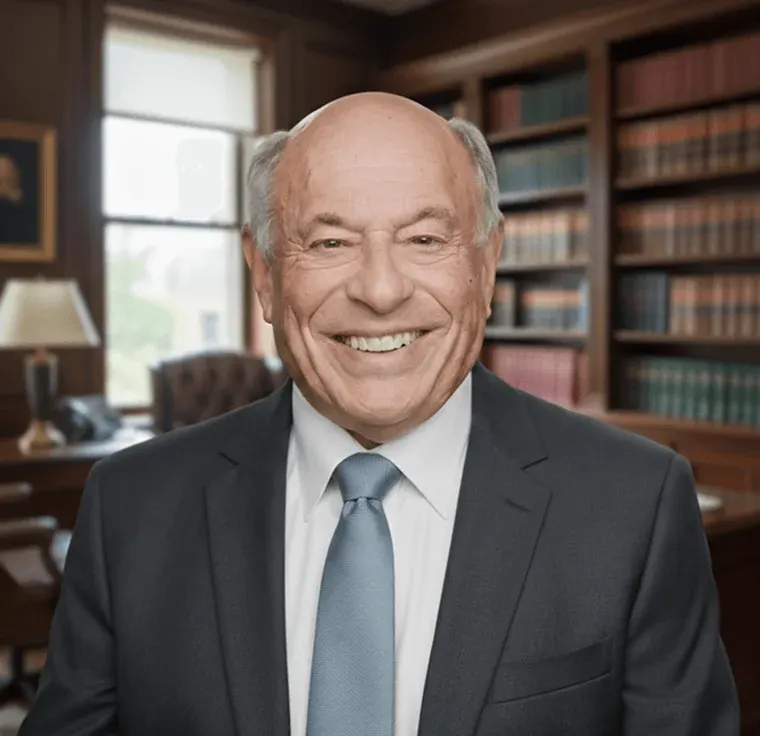
Paul H. Appel, Esq., business attorney, in his law library

Your attorney

Paul H. Appel, Esq.

Every matter at the firm is handled personally by Paul — the same attorney reads the documents, gives the advice and negotiates on your behalf.

Education
Columbia Law School, Juris Doctor (1967)
Experience
58+ years in commercial and business law
Focus for this matter
Franchise disclosure review and franchise agreement negotiation
Office
Freehold, NJ — serving Monmouth, Middlesex & Ocean Counties
More about Paul and the firm

Contact

Discuss Your Business Matter With Paul

Describe what the business is dealing with — a contract on your desk, a deal in progress, a dispute or a company you are about to form. You will hear back from the attorney who handles the work.

Start a conversation

Schedule a Free Consultation

Loading the secure consultation form… If it does not appear, call 917-748-6124 or email paul@paulappellaw.com.