

Franchise Agreements · Negotiation

What Is Actually Negotiable in a Franchise Agreement — and How to Ask for It

Franchisors say their agreement is non-negotiable, and on core brand terms that is usually true. On territory, timing, guarantees and exit rights, a well-framed request often gets further than buyers expect.

Setting expectations

Why franchisors resist — and where they bend

A franchisor needs system uniformity. It cannot charge one franchisee a different royalty or let one location ignore brand standards without creating problems across the network.

That concern explains which terms rarely move: the royalty rate, the advertising contribution, the marks and the operating standards. It also explains which terms often do. Provisions that are specific to your deal — your site, your opening timeline, your ownership group, your exit plans — can usually be adjusted without affecting other franchisees.

Leverage varies. Emerging brands looking for early operators, multi-unit commitments, experienced operators with strong financing and buyers of an existing resale location generally have more room than a first-time single-unit buyer in an established system. Even then, a modest request that solves a real problem for you is often granted.

Franchisee and advisers discussing proposed franchise agreement changes around an office desk with documents

Where to focus

Commonly negotiated terms and realistic asks

These are typical patterns, not promises. What a particular franchisor will accept depends on the system, the market and your profile.

TermTypical starting positionRequests that often succeed
TerritoryLocation only, or a small radius with broad reserved rightsDefined boundaries, a right of first offer on new units nearby, limits on affiliate brands
Opening deadlineFixed period from signing, default if missedExtensions for permit or landlord delays outside your control
Development scheduleAggressive opening dates for each unitLonger intervals, cure periods, losing exclusivity rather than all units if behind
Personal guaranteeUnlimited, all owners and spousesCap tied to a dollar figure set by the deal, limited duration, release on approved transfer
TransferBroad consent discretion, fees, release requiredObjective approval criteria, waived fee for transfers to your own entity or family
Initial term and renewalRenewal on then-current formAssurance that renewal will not change the territory or materially increase the royalty
Default and cureShort cure periodsLonger cure for non-monetary defaults and written notice before termination

Before asking for anything, compare the Item 17 table in the FDD with the agreement. Inconsistencies are a legitimate and low-friction starting point for discussion.

Closer look

Three negotiations worth understanding in detail

Guarantee

Limiting personal exposure

Forming an LLC does not protect your house if you sign an unlimited personal guarantee. Franchisors rarely drop guarantees entirely, but they sometimes accept a cap, a sunset after a period of good performance, or a release once an approved buyer takes over. The same logic applies to lease guarantees — see the guide on personal guarantees in commercial leases.
Territory

Defining what protection means

A radius means little if the franchisor reserves delivery, online and non-traditional sales inside it. Ask for clarity on what counts as encroachment and what happens if a new unit opens just outside the boundary.

Development

Matching the schedule to reality

For multi-unit deals the development schedule drives everything. A missed date can cost the remaining rights and sometimes the development fee. Building in permitting and construction delays, and limiting the consequence of falling behind, protects units already open.

The process

How a franchise negotiation is run

The goal is a short, credible list rather than a marked-up rewrite of the whole agreement.

  1. Prioritize

    From the review, select the handful of terms that matter most to your plan — usually no more than five to eight.

  2. Explain the reason

    Each request comes with a short business rationale. Franchisors respond better when they can see the change solves a specific problem without setting a precedent.

  3. Propose the language

    Offer the actual wording you want. It shortens the discussion and makes it easier for the franchisor's counsel to approve.

  4. Document in an addendum

    Agreed changes go into a signed addendum to the franchise agreement. Emails and verbal assurances from the development team are not a substitute.

  5. Check the final set

    Before signing, confirm that the addendum, the agreement and every guaranty say the same thing, and that the final documents are the versions you actually reviewed.

Tone and timing

Negotiating without souring the relationship

You will be in business with this franchisor for years, so the negotiation should be professional and specific. Paul typically communicates with the franchisor's counsel directly, which keeps the discussion on legal terms and lets you maintain a good relationship with your development contact.

Start early. Requests made after a lease is signed or a loan is approved lose force, because the franchisor knows you are committed. Ideally the review and the requests happen during the disclosure waiting period, before deposits or reservation agreements.

Not every request will succeed, and that is fine. Knowing a term is fixed still lets you plan around it — for example by negotiating harder on the lease, choosing the entity structure carefully, or deciding the opportunity is not worth it. That decision is part of the firm's wider franchisee representation, and clause-level background is in the franchise agreement clause guide.

Questions & answers

Negotiating a franchise agreement — questions

Are franchise agreements really negotiable?

Partly. Core economic and brand terms are usually fixed for everyone in the system. Deal-specific terms — territory boundaries, timelines, guarantee scope, transfer conditions and cure periods — are negotiated more often than franchisors suggest, especially for experienced operators, multi-unit buyers and newer brands.

What is the easiest term to negotiate?

Opening deadline extensions and transfer rights to your own entity or family members are among the most commonly granted, because they cost the franchisor little. Clarifying ambiguous language or correcting inconsistencies between the FDD and the agreement is also usually accepted without much resistance.

Will asking for changes make the franchisor reject me?

A reasonable, short list presented professionally rarely ends a deal. Franchisors expect sophisticated buyers to have counsel. A long list of demands to rewrite standard system terms is more likely to cause friction, which is why prioritizing is the first step.

How are negotiated changes documented?

Through a written addendum or amendment signed with the franchise agreement. The addendum should state that it controls over conflicting terms. Side letters and emails from sales staff are risky because most agreements say the written agreement is the entire deal.

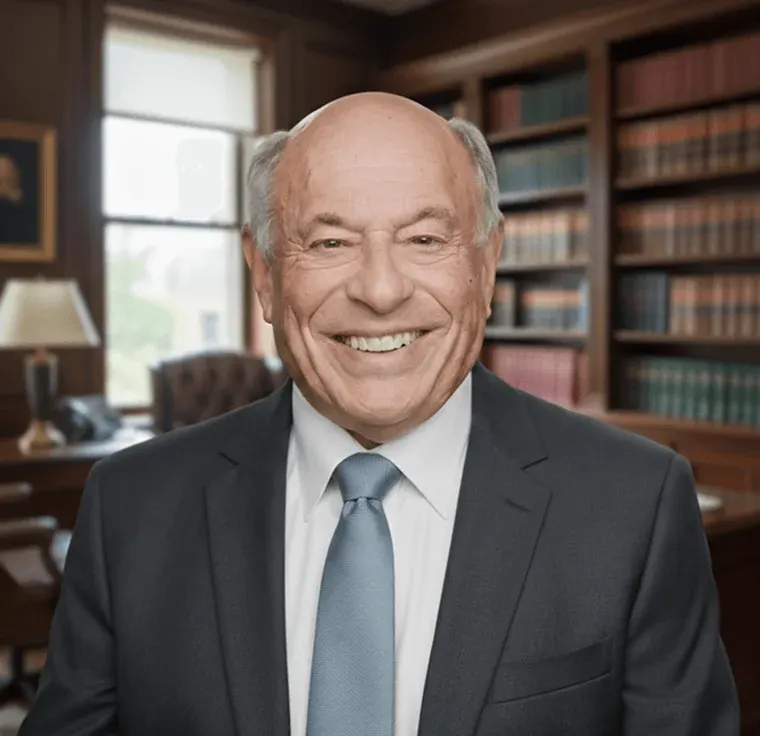
Paul H. Appel, Esq., business attorney, in his law library

Your attorney

Paul H. Appel, Esq.

Every matter at the firm is handled personally by Paul — the same attorney reads the documents, gives the advice and negotiates on your behalf.

Education
Columbia Law School, Juris Doctor (1967)
Experience
58+ years in commercial and business law
Focus for this matter
Franchise disclosure review and franchise agreement negotiation
Office
Freehold, NJ — serving Monmouth, Middlesex & Ocean Counties
More about Paul and the firm

Contact

Discuss Your Business Matter With Paul

Describe what the business is dealing with — a contract on your desk, a deal in progress, a dispute or a company you are about to form. You will hear back from the attorney who handles the work.

Start a conversation

Schedule a Free Consultation

Loading the secure consultation form… If it does not appear, call 917-748-6124 or email paul@paulappellaw.com.