

There’s a particular kind of stress that comes with knowing a mediation session is on the calendar. It’s not quite the dread of going to court — but it’s not nothing, either. You’re about to sit across from someone you’re in conflict with, with a neutral third party in the room, and try to find your way to an agreement.

The good news: preparation is the single biggest thing that separates people who walk out of mediation with a deal they’re satisfied with from people who walk out frustrated, having left money on the table or agreed to terms they later regret.

This guide is about how to actually prepare — not in a vague, ‘know your goals’ way, but in a specific, concrete, this-is-what-you-do way. If you’re heading into business mediation in New Jersey and want to go in ready, this is where to start. (And if you still have questions after reading, our team handles business mediation in NJ regularly — feel free to reach out.)

Before You Start: What You’ll Need to Gather

Think of this as your pre-flight checklist. Before you can prepare strategically, you need the raw materials. Set aside time to pull together:

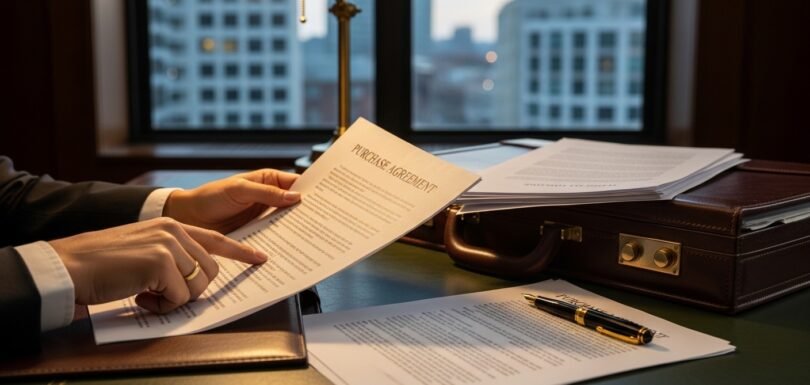
  • The contract or agreement at the center of the dispute — ideally with key provisions flagged
  • All relevant correspondence — emails, texts, letters, anything that documents the relationship and the breakdown
  • Financial records showing the impact of the dispute: invoices, lost revenue, extra costs incurred
  • A written timeline of events, in your own words, from beginning to now
  • Any previous attempts to resolve the issue — what was offered, what was rejected, what was said

Gathering this isn’t just administrative busywork. The act of pulling these documents together usually clarifies your own thinking. You start to see the story of the dispute more clearly — what’s actually at issue, where the other side might have a point, where you’re on solid ground.

Step-by-Step: How to Actually Prepare

Step 1: Get Crystal Clear on What You Actually Want

This sounds obvious. It’s not. Most people going into mediation know what they’re angry about, but haven’t clearly defined what resolution actually looks like.

Are you primarily seeking money? A specific performance — someone completing work they promised to do? An end to the relationship on acceptable terms? A formal acknowledgment of what happened? Your answer shapes everything: your opening position, what you’ll accept, what you’ll walk away from.

Write it down. What does a good outcome look like? What does an acceptable outcome look like? What would make you walk away? Having clarity on all three of these before you sit down is genuinely powerful.

The parties who do best in mediation are the ones who’ve done the emotional work beforehand. They know what they want and why — so they’re not making decisions in the room under pressure.

Step 2: Understand the Other Side’s Position

Here’s a mindset shift that most people resist: before mediation, spend real time thinking about the other party’s perspective. Not to excuse what they did. To understand how they see it.

What do they believe they’re owed? What are they likely to be angry about? Where do they feel wronged? Where are they probably vulnerable?

This isn’t about being soft. It’s about being strategic. The mediator is going to probe both sides, and if you’ve thought through the other party’s view, you’ll be less caught off guard and better positioned to counter their arguments — or find the overlap where a deal is actually possible.

Step 3: Know Your Numbers Cold

Whatever your dispute involves financially, know the numbers precisely. Not roughly. Precisely.

If you’re claiming damages, document them. Break them down: lost revenue, additional costs, time spent managing the fallout. If there are multiple components to your claim, have them organized so you can explain each one clearly. If you haven’t done this math, do it now — the mediation table is a bad place to be fuzzy on what you’re actually asking for.

And here’s an honest tip: also know the weaknesses in your numbers. The mediator will find them. The other side will find them. If you know them first, you can address them proactively rather than being caught flat-footed.

Step 4: Decide What You’ll Say — and How

You’ll likely have an opportunity to make an opening statement. Don’t wing it.

Your opening statement isn’t the time to vent everything. It’s your chance to frame the dispute clearly and professionally: here’s what happened, here’s how it affected us, here’s what we’re looking for. Keep it factual, keep it focused, and resist the urge to relitigate every grievance.

Practice it out loud. Seriously. There’s a big difference between how something sounds in your head and how it sounds when you say it. A few dry runs will help you find the cleaner, calmer version of your story.

Step 5: Talk to an Attorney Before You Go In

Even if you’re planning to attend mediation without an attorney in the room, have a conversation with one beforehand. You want to know: Are there legal issues in this dispute you’re not seeing? Is your position as strong as you think? Are there things you might say or agree to that could hurt you legally? Our team at Paul Appel Law can help you think through this — we offer mediation and arbitration support in NJ and we’re happy to be a sounding board before you walk into the session.

Step 6: Prepare Your Documentation — Organized, Not Overwhelming

Bring documents that support your position. But think carefully about how you present them.

A stack of 300 emails thrown at a mediator accomplishes nothing. Curate: bring the ten documents that actually matter and have them organized and tabbed. If there’s a key email, highlight the relevant passage. If there’s a contract clause you’re relying on, flag it.

The goal is to make it easy for the mediator to understand your position quickly — not to bury everyone in paper.

What If Things Go Sideways in the Room?

What if the other side is being completely unreasonable?

Stay calm. Seriously — this is easier said than done, but it matters. Emotional escalation in the room almost never helps. Let the mediator manage the dynamic. That’s literally what they’re there for.

If the other side seems stuck in an unreasonable position, sometimes the best move is to present your documentation calmly and let the mediator work with them privately (in what’s called a ‘caucus’ — a separate session with just one party). Mediators are often more effective working individually with each side than in joint sessions when things are tense.

What if you get an offer you’re not sure about?

You don’t have to decide on the spot. It’s completely reasonable to say “I need to think about this” or “I’d like to consult with my attorney before responding.” A mediator who’s worth their rate will respect this.

Never let the pressure of the room push you into an agreement you’re not comfortable with. A bad deal made quickly is still a bad deal.

What if mediation doesn’t resolve everything?

That happens. Sometimes mediation resolves part of a dispute and the rest goes to arbitration or litigation. Sometimes it fails entirely and both parties move on to the next step.

What’s important is that you’ve tried in good faith. And sometimes a partial resolution is genuinely valuable — it narrows the issues, saves time, and preserves something from the relationship. Don’t write off a session just because it didn’t resolve 100% of the dispute.

A Few Things That Genuinely Make a Difference

  • Get there early. Rushing in stressed sets a bad tone. Give yourself time to settle, review your notes, and be mentally present.
  • Bring a support person if it helps — not to speak for you, but to take notes and help you stay grounded if things get emotional.
  • Listen more than you talk. You’ll learn things in that room that change your read on the situation. Stay curious.
  • Don’t take it personally — even when it feels personal. Mediation works best when both sides can separate the relationship from the business issues, at least enough to find a workable resolution.
  • Have a bottom line, and know it before you go in. The room has a way of pressuring people into accepting less than they planned. If you know your floor in advance, you’ll hold it better.

Quick Recap Before You Go

Preparation isn’t about going in with a script. It’s about going in with clarity — on what you want, what you’ll accept, how you’ll present your case, and what you’re not willing to compromise on.

The people who get the most out of mediation are the ones who’ve done the work beforehand. They’re calmer, clearer, and more able to recognize a good deal when it appears.

If you’re heading into business mediation in New Jersey and want a team in your corner — whether that means attending with you, reviewing a potential agreement, or just being a pre-session sounding board — we’re here. Our NJ mediation and arbitration services are designed for exactly this kind of support.

Go in prepared. It makes a real difference.

— Paul Appel Law | NJ Business Dispute Resolution