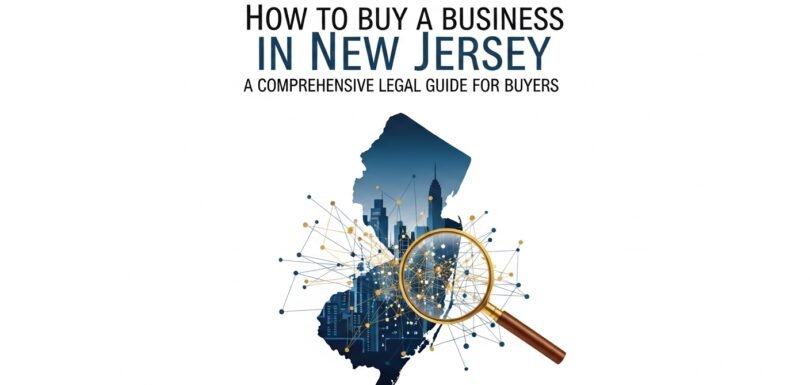


You have probably walked past that one storefront in Freehold or maybe down by the shore in Asbury Park a thousand times. You have seen the foot traffic and you have imagined what it would be like to finally be the one holding the keys. Buying a retail business is one of the most exciting ways to plant roots in a New Jersey community. But honestly, it is also one of the easiest ways to lose your shirt if you don’t look under the floorboards before you sign on the dotted line.

Retail isn’t just about selling products. It is about a complex web of inventory, local permits, and a landlord who probably has a lot more experience with contracts than you do. If you are feeling that mix of I am ready to start and “I have no idea what I am doing,” you are in the right place. I am Paul Appel and I have spent my career helping folks across the state navigate these exact moments. Whether you are eyeing a boutique or a hardware store, reach out at paul@paulappellaw.com or see our to see how we build a shield around your investment.

Why the Open Sign is Often a Trap

The biggest hurdle for most first-time buyers is the hidden ghost factor. You see a thriving shop with plenty of customers and a great Instagram following. But what you don’t see are the three months of back rent the seller hasn’t paid or the pending lawsuit from a former employee who claims they weren’t paid overtime.

In New Jersey, a retail acquisition is a legal minefield. If you just buy the company as a whole, you might be inheriting every single one of those problems. Suddenly, your dream job becomes a nightmare of legal bills and state tax notices. This is why having a retail business acquisition lawyer NJ is not just a luxury. It is the only way to make sure the “fresh start” you are paying for is actually fresh.

The Three Pillars of a Safe Retail Deal

When we look at a retail deal, we aren’t just looking at the price. We are looking at three critical areas that usually determine if the business will survive the first year.

  1. The Lease: In retail, your location is your lifeblood. But New Jersey landlords often have “change of control” clauses. This means if the business changes hands, the landlord might have the right to kick you out or double the rent. We perform a thorough to make sure your shop actually has a home for the next five years.
  2. The Inventory and Debt: Are you buying the stuff on the shelves. Is it actually paid for. Sometimes sellers have “floor plan” financing where they don’t even own the inventory they are selling to you.
  3. Successor Liability: This is a scary one. In NJ, if you don’t follow the Bulk Sales rules, the state can come after the buyer for the seller’s unpaid sales tax.

Why Generic Contracts Fail

Many people try to save money by using a “boiler plate” contract they found on a DIY legal site. Look, I have seen this happen and it almost always ends in a headache. I even wrote a piece on how because those generic forms don’t account for New Jersey’s specific tax codes or the way our local courts handle retail disputes.

Without a custom , you are essentially playing a game of poker where the seller knows all your cards. You need a contract that “washes” the assets clean so you start with zero debt and zero baggage.

How to Close with Confidence

So how do we fix this. We move from a “handshake” mindset to a “verification” mindset.

First, we use to pull every public record on the business. We look for liens, judgments, and tax red flags. Second, we structure the deal as an Asset Purchase rather than a Stock Purchase. This is a huge distinction. By buying the assets (the name, the desks, the inventory) instead of the corporation itself, we leave most of the legal skeletons with the old owner.

Actionable Tips for the Savvy NJ Buyer

If you are currently looking at a shop, here is my professional checklist for your first few weeks:

  • Request the last three years of tax returns. If they won’t show them, walk away.
  • Talk to the landlord early. Don’t wait until the day before closing to see if they will accept you as a tenant.
  • Audit the inventory personally. Don’t just take the seller’s word for what is in the back room.
  • Check the local zoning. Make sure your town actually allows the type of retail you want to do.
  • File the C-9600 form. This is the NJ Bulk Sales notice. It is mandatory if you want to avoid the seller’s tax debt.
  • Interview the employees. They know where the bodies are buried and they can tell you if the customers are actually happy.
  • Verify the permits. Ensure the sign on the building and the sidewalk cafe are actually legal.

Your Next Step Toward the Ribbon Cutting

Buying a business is a legacy-defining move. It is the reward for all your hard work and it should be a time of celebration, not stress. You have done the hard part by finding the right opportunity. Now, let’s make sure the legal foundation is as strong as your vision.

I am Paul Appel and I am right here in Freehold to help you turn that Coming Soon sign into a Grand Opening.

Would you like me to review the lease for the shop you are considering or perhaps help you draft an offer that protects your deposit.

The Law Offices of Paul H. Appel 11 Crestwood Drive, Freehold, NJ 07728 paul@paulappellaw.com