
Franchise Law · Statute Guide

The New Jersey Franchise Practices Act: Who It Covers and What It Protects

New Jersey is known for one of the more franchisee-protective relationship laws in the country. Here is how the Act works in plain terms, where its limits are, and what to do when it may apply to you.

The statute in brief

A relationship law, not a disclosure law

The New Jersey Franchise Practices Act (N.J.S.A. 56:10-1 et seq.) governs how a franchisor may end or restrict an existing franchise. It does not regulate the sales pitch or require a New Jersey filing before franchises are sold.

Pre-sale disclosure is handled at the federal level by the FTC Franchise Rule and the Franchise Disclosure Document. The New Jersey statute picks up once the relationship exists. Its central idea is that a franchisee who has invested in building a brand's local goodwill should not lose the business at the franchisor's whim.

The Act is short, but courts have spent decades interpreting it, and the outcome in any dispute depends heavily on the facts and the exact wording of the agreement. What follows is a general map, not a prediction for any particular case.

Statutes are amended and courts refine their readings over time. Confirm how the Act applies to your situation with counsel before relying on it.

Step one

Does the Act cover your franchise?

Not every arrangement called a franchise qualifies, and not every franchisee in New Jersey is protected. Coverage turns on a series of tests, each of which can be disputed.

  • Definition of a franchise — broadly, a written arrangement under which one party grants another a license to use its trade name or trademark, with a community of interest in marketing goods or services
  • Place of business in New Jersey — the franchisee must maintain a qualifying place of business in the state; a purely out-of-state operation is outside the Act
  • Sales thresholds — the statute sets a minimum level of sales between franchisor and franchisee and requires that a meaningful share of the franchisee's gross sales be intended to come from the franchise
  • Exclusions — certain arrangements are carved out, so a business that sells a brand's products as a minor sideline may not qualify

Because these tests are technical, the first job in any termination or renewal dispute is confirming coverage from the franchisee's actual numbers and documents. If the Act does not apply, the franchise agreement and general contract law govern on their own.

Core protections

What the Act generally requires of franchisors

Good cause

No ending the franchise without good cause

A franchisor generally may not terminate, cancel or fail to renew a covered franchise without good cause. The statute ties good cause to the franchisee's failure to substantially comply with the requirements the franchise imposes. A franchisor's wish to take the territory back or re-sell it at a higher fee is not, on its own, good cause.
Notice

Sixty days' written notice

Termination, cancellation or non-renewal generally requires at least 60 days' written notice stating the reasons. The statute allows shorter notice in narrow circumstances, such as a franchisee voluntarily abandoning the business or a conviction related to it.

Transfers

Limits on blocking a sale

The Act restricts unreasonable interference with a franchisee's transfer of the business, subject to the franchisor's legitimate standards for new owners. How this interacts with the agreement's approval process is often contested.

Association

Freedom to organize

Franchisors may not prohibit franchisees from associating with one another, which protects franchisee advisory groups and associations.

Remedies

A right to go to court

A franchisee harmed by a violation can bring an action for damages and, where appropriate, injunctive relief; the statute also allows a successful franchisee to recover costs, including reasonable attorney's fees.

Applying it

Common situations and how the Act may come into play

These are simplified illustrations. Real outcomes depend on the agreement, the history between the parties and the evidence.

SituationHow the Act may matterWhat to look at first
Notice of non-renewal with no stated defaultNon-renewal is treated like termination; good cause and notice still apply to covered franchisesWhether the notice gives reasons and meets the timing rule
Termination for missed royalty paymentsRepeated or substantial non-payment can amount to good causePayment history, any waiver by acceptance, cure provisions in the contract
Renewal offered only on a much harsher new formCourts look at whether new conditions are reasonable and applied in good faithThe renewal clause and how other franchisees were treated
Franchisor refuses to approve a buyerUnreasonable refusal can raise issues under the ActThe buyer's qualifications and the agreement's transfer criteria
Agreement chooses another state's lawNew Jersey courts may decline to enforce a choice of law that would strip a covered franchisee of the Act's protectionsGoverning-law, forum and arbitration clauses together

A related guide covers the practical side of franchise termination and non-renewal in New Jersey, including what to do in the first days after a notice arrives.

If the Act may apply

Information to pull together before speaking with counsel

Coverage and good cause are both fact questions. Having these ready allows a quicker, more reliable assessment.

  • The signed franchise agreement, every amendment and any renewal or transfer documents
  • The notice from the franchisor, with the date and method it was delivered
  • Your location address and how long you have operated there
  • Annual sales figures and purchases from the franchisor or its affiliates
  • Inspection reports, audit results and correspondence about the alleged problem
  • Records of any prior defaults the franchisor waived or accepted payment on

The Act sits alongside, not in place of, your contract rights. Paul reviews both together as part of the firm's broader franchise counsel for New Jersey franchisees, and can address disputes through negotiation, mediation, arbitration or court as the agreement allows — see business dispute resolution.

Questions & answers

New Jersey Franchise Practices Act — questions

Does the New Jersey Franchise Practices Act apply to my franchise?

Possibly. You need a qualifying franchise relationship, a place of business in New Jersey, and sales above the statute's thresholds, and you must not fall into one of the exclusions. Many full-time, single-brand franchisees with a New Jersey location will qualify, but it should be confirmed from the documents and figures rather than assumed.

What counts as good cause to terminate a franchise in New Jersey?

Under the Act, good cause is generally limited to the franchisee's failure to substantially comply with the requirements of the franchise. Minor or technical lapses may not be enough, while serious or repeated breaches often will be. Whether a given breach is substantial is a fact question, and the franchisor's own conduct, such as earlier waivers, can matter.

How much notice must a franchisor give before ending a New Jersey franchise?

For covered franchises, the general rule is at least 60 days' written notice setting out the reasons, whether the franchisor is terminating, canceling or refusing to renew. Shorter notice is permitted in narrow situations described in the statute. A notice that misses the requirements does not automatically save the franchise, but it can be an important point in the response.

Can a franchise agreement choose another state's law to avoid the Act?

Many agreements select the franchisor's home-state law and courts. New Jersey courts have been reluctant to let such clauses deprive a covered New Jersey franchisee of the Act's protections, though results vary with the facts and with arbitration provisions. Do not assume an out-of-state clause leaves you without recourse.

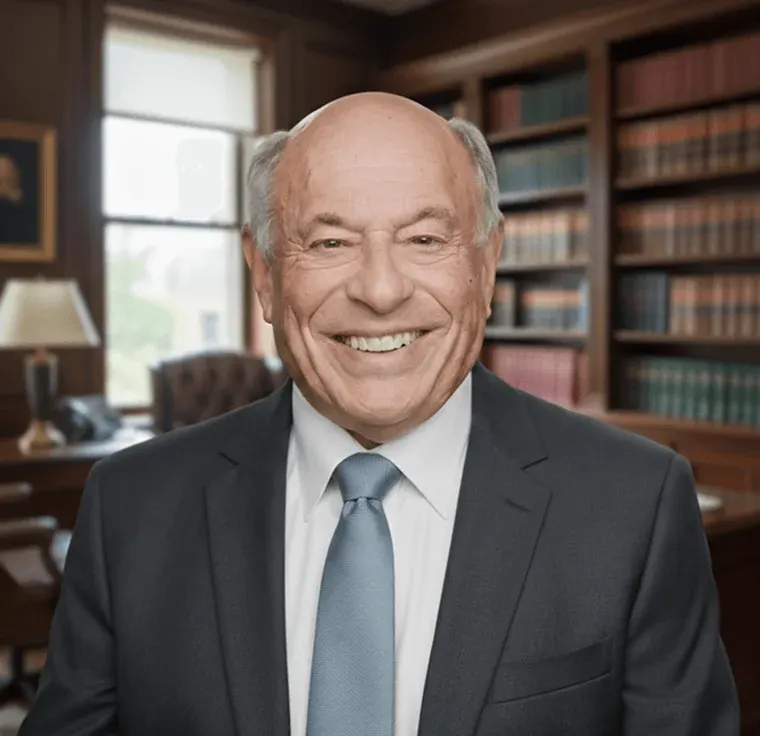
Paul H. Appel, Esq., business attorney, in his law library

Your attorney

Paul H. Appel, Esq.

Every matter at the firm is handled personally by Paul — the same attorney reads the documents, gives the advice and negotiates on your behalf.

Education
Columbia Law School, Juris Doctor (1967)
Experience
58+ years in commercial and business law
Focus for this matter
Franchise disclosure review and franchise agreement negotiation
Office
Freehold, NJ — serving Monmouth, Middlesex & Ocean Counties
More about Paul and the firm

Contact

Discuss Your Business Matter With Paul

Describe what the business is dealing with — a contract on your desk, a deal in progress, a dispute or a company you are about to form. You will hear back from the attorney who handles the work.

Start a conversation

Schedule a Free Consultation

Loading the secure consultation form… If it does not appear, call 917-748-6124 or email paul@paulappellaw.com.