
Dispute Resolution · Business Sale Breach
When the Other Side Breaks the Deal to Buy or Sell a Business
A signed purchase agreement binds both sides long before money changes hands and long after closing. The firm represents New Jersey buyers and sellers when a counterparty walks away, misses a covenant or stops performing its post-closing promises.
Two kinds of breach
The timing of the breach shapes the remedy
A breach of the business purchase agreement looks very different depending on whether it happens between signing and closing, when the deal can still fall apart, or after closing, when the business has already changed hands.
Before closing, the fight is usually about whether the deal must go ahead: one party claims a closing condition failed or the other side broke an interim covenant; the other says the excuse is a pretext for buyer's remorse or a better offer. After closing, the questions shift to money and conduct — an unpaid seller note, a skipped transition period, a seller who opens a competing shop down the road, or assets and records that were never delivered.
This page addresses those performance breaches. Claims that the seller's statements about the business were untrue run through different machinery: contractual indemnification claims after closing, or fraud and warranty theories covered on the page about misrepresentation in a business sale.

Between signing and closing
Common pre-closing breaches and how they are usually handled
The agreement's termination, deposit and remedies clauses largely determine what happens next.
| What went wrong | Typical argument | Possible outcome |
|---|---|---|
| Buyer refuses to close | Financing fell through or a condition was not met | Seller keeps the deposit if the contract allows, or pursues damages |
| Seller refuses to close | Buyer did not satisfy a condition; seller received a higher offer | Buyer may seek specific performance or damages |
| Seller runs the business down | Breach of the ordinary-course covenant during the interim period | Buyer may delay, renegotiate price, terminate or claim damages |
| Missed deadlines | Outside date passed without closing | Termination rights arise; whether either side is at fault becomes the issue |
| Material adverse change claimed | Buyer says the business deteriorated | Depends on the clause's definition and carve-outs, which are usually narrow |
Courts can order a party to complete the sale of a unique asset such as a going business, but specific performance is discretionary and depends on the agreement and the equities.
After closing
Post-closing promises that buyers and sellers break
Closing ends the transfer, not the relationship. These obligations commonly continue for months or years.
Seller financing
The buyer stops paying a seller note. The note, any guarantee and the security agreement decide whether the seller can accelerate and enforce against collateral.
Seller financing termsRestrictive covenants
The seller competes, solicits staff or calls former customers. Seller non-competes in a sale are generally enforced more readily than employee covenants.
Sale-of-business non-competesTransition services
The seller fails to provide the promised training, introductions or consulting period, undermining the goodwill the buyer paid for.
Price adjustments
One side refuses to pay a working-capital true-up or disputes the closing statement, usually under a specific accounting procedure in the agreement.
Earnout payments
The buyer withholds an earnout or the seller claims the buyer manipulated results to avoid one.
Earnout provisionsUndelivered assets
Equipment, domain names, phone numbers, customer files or licenses that the agreement transferred never actually arrive.
Responding to a breach
What the firm does first when a deal goes wrong
Map the contract
Identify the obligation that was breached, any notice-and-cure requirement, termination rights, the remedies clause, limits on damages, and whether disputes go to court, arbitration or an accountant.
Protect your position
Send any required notices on time and in the form the agreement specifies, keep performing your own obligations unless advised otherwise, and avoid statements that could be read as waiving rights.
Quantify the harm
Lost purchase price, the cost of finding another buyer, lost profits from competition or missed payments — each needs a measure the agreement and New Jersey contract law will accept.
Pursue the remedy
Negotiate, mediate, or file, depending on urgency. A seller who is competing in breach of a covenant may justify an early application for injunctive relief.
Limits in the agreement
Contract terms that can cap or redirect a claim
Purchase agreements often say more about remedies than the parties remember. Before deciding a claim's worth, Paul checks for an exclusive-remedy clause that routes certain disputes into indemnification, caps on liability, waivers of consequential or lost-profit damages, liquidated damages tied to a deposit, survival periods after which claims may no longer be brought, and fee-shifting provisions.
Time limits also come from outside the contract. New Jersey's general limitation period for contract claims is six years under N.J.S.A. 2A:14-1, but a purchase agreement can impose shorter survival windows for certain claims, and accrual depends on the facts. These breaches are handled as part of the firm's business dispute resolution services.
Questions & answers
Business sale breach questions
What can I do if the buyer backs out before closing?
Start with the agreement's termination and deposit provisions. If the buyer had no valid right to terminate, the seller may be entitled to keep a deposit as liquidated damages or to seek damages for the lost sale, depending on what the contract allows. Some agreements limit the seller to the deposit; others preserve broader claims.
Can a court force a seller to complete the sale of a business?
Specific performance is available in New Jersey in appropriate cases, because a particular business is often unique and money may not fully compensate the buyer. It is an equitable remedy, so the court considers whether the buyer was ready to perform, whether terms are clear, and whether ordering the sale is fair. Some agreements address the remedy expressly.
What if the buyer stops paying the seller note after closing?
The seller's rights come from the note, any personal guarantee and any security agreement. Many notes permit acceleration of the full balance after a default and notice. If the note is secured, the seller may be able to enforce against the collateral. Buyers sometimes claim a right to withhold payments because of other disputes, which turns on the agreement's set-off terms.
Does the purchase agreement limit what I can recover?
Frequently. Caps, baskets, waivers of consequential damages and exclusive-remedy clauses are common, and they may apply to some breaches but not others. Covenant breaches such as non-payment or competition are often treated differently from inaccurate representations, so the exact wording of each limitation needs to be read against the claim you have.
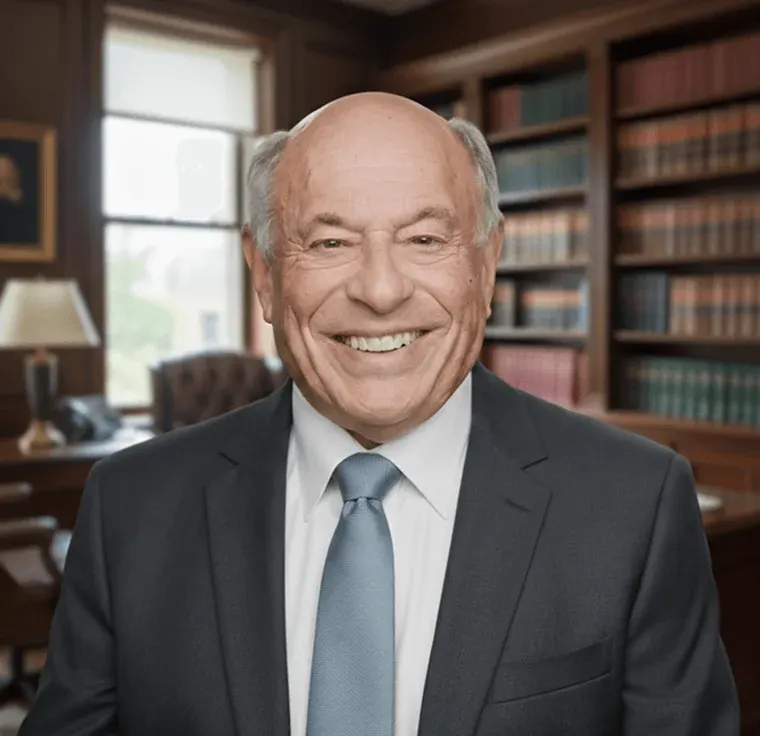
Your attorney
Paul H. Appel, Esq.
Every matter at the firm is handled personally by Paul — the same attorney reads the documents, gives the advice and negotiates on your behalf.
- Education
- Columbia Law School, Juris Doctor (1967)
- Experience
- 58+ years in commercial and business law
- Focus for this matter
- Negotiated resolution, mediation and arbitration of business disputes
- Office
- Freehold, NJ — serving Monmouth, Middlesex & Ocean Counties
Contact
Discuss Your Business Matter With Paul
Describe what the business is dealing with — a contract on your desk, a deal in progress, a dispute or a company you are about to form. You will hear back from the attorney who handles the work.
- Phone917-748-6124
- Office11 Crestwood Drive, Freehold, NJ 07728
- ConsultationsBy phone, video or in person by appointment
Start a conversation