

Buyer Representation · New Jersey

The Contract Terms That Actually Protect a Business Buyer

A purchase agreement either gives the buyer a practical way to recover when something goes wrong, or it does not. Paul H. Appel negotiates the representations, indemnities, security and conditions that make the difference.

The buyer's toolkit

Protection is a system, not a single clause

Buyers often focus on one term — usually the price — and accept boilerplate for the rest. The protections that matter work together: representations define what the seller promises, indemnification says who pays when a promise fails, and security such as escrow makes sure the money is there.

Each piece is weak alone. A broad representation is of little use if the indemnity is capped at a token amount. A generous indemnity is hard to collect from a seller who has retired to another state and spent the proceeds. And neither helps if the buyer was obliged to close despite discovering a serious problem the week before.

As part of its buy-side M&A work, the firm builds those layers to fit the deal: the size of the price, the type of business, how much the seller is financing and how much remains unknown after diligence.

Buyer and seller shaking hands over a business purchase, one holding the signed agreement

Core protections

Six provisions worth negotiating hard

1

Representations and warranties

Statements of fact about the business — financials, taxes, contracts, employees, litigation, compliance, title to assets. The disclosure schedules attached to them are where the seller lists exceptions, so read those as closely as the promises.
2

Indemnification

The seller's obligation to reimburse losses from breaches and from excluded liabilities. Key terms are the basket (a threshold before claims are paid), the cap, and which matters — such as taxes or title — are carved out of both.

3

Survival periods

How long after closing the buyer may bring a claim. General representations often survive for a limited period; fundamental ones like ownership and authority, and tax matters, commonly last longer.

4

Escrow, holdback and offset

Security for the indemnity. An escrow places part of the price with a third party; a holdback lets the buyer keep it; an offset right lets the buyer reduce payments on a seller note to cover proven claims.

5

Restrictive covenants

A seller non-compete and non-solicitation protect the goodwill you are paying for. New Jersey courts generally enforce reasonable covenants given in a sale of a business more readily than employee covenants. See non-competes in a business sale.

6

Closing conditions

The events that must happen before the buyer is obliged to close: required consents, financing, accurate representations at closing, no material adverse change. These are the buyer's exit if diligence or timing goes badly.

Matching protection to risk

How much protection is reasonable?

There is no standard formula. In a small, owner-operated business where the seller controls most of the information, buyers usually need broader representations and more security than in a larger company with audited financial statements. A deal with a substantial seller note gives the buyer natural leverage through offset rights; an all-cash closing does not, which makes an escrow more important.

Sellers will push back, and some pushback is fair. The goal is not to win every clause but to make sure the risks that would actually hurt — unpaid taxes, hidden debts, lost key contracts — are covered by money the buyer can reach without a lawsuit.

  • Tie the escrow amount and duration to the specific risks diligence found.
  • Carve fraud and fundamental representations out of the cap.
  • Define losses to include reasonable legal fees spent enforcing the indemnity.
  • Require prompt notice procedures that are realistic for a small buyer to follow.

How the firm works

Building buyer protections into your deal

  1. Read the letter of intent first

    Many protections are lost at the LOI stage when a buyer agrees to a cap or an all-cash closing without realizing it. Paul reviews or drafts the LOI so the key protections are preserved; see the firm's letter of intent tips.

  2. Let diligence shape the agreement

    Findings from legal and financial review become specific representations, special indemnities or closing conditions instead of general worries.

  3. Draft or mark up the agreement

    The firm prepares the buyer's draft or marks up the seller's, with a plain-English memo explaining each change and what it protects.

  4. Negotiate directly

    Paul negotiates with the seller's counsel himself. You receive a written scope and fee before the work starts, and there is no hand-off to junior staff.

Questions & answers

Buyer protections — frequently asked questions

What protections should a buyer insist on in a purchase agreement?

At a minimum: meaningful representations about financials, taxes, liabilities, contracts and litigation; an indemnity that covers breaches and excluded liabilities; some form of security for that indemnity; a seller non-compete; and closing conditions that let you walk away if consents or financing fall through. The right scope of each depends on the business and the price.

How much of the price should be held in escrow?

It varies with the deal and the risks found in diligence, so there is no reliable rule of thumb. Buyers and sellers negotiate the amount and the release schedule. Where the seller is also financing part of the price, a right to offset claims against the note can reduce or replace the need for a separate escrow.

How long do a seller's representations last after closing?

As long as the agreement says. Parties commonly set a shorter survival period for general business representations and longer periods for fundamental matters and taxes. If the agreement is silent, the general statute of limitations for contract claims may apply, but relying on silence invites a dispute, so the period should be stated.

What is the difference between an escrow and a holdback?

With an escrow, part of the price is paid to a neutral escrow agent who releases it under the agreement's instructions. With a holdback, the buyer simply keeps part of the price until a set date. Sellers usually prefer escrow because the money is outside the buyer's control; buyers may prefer a holdback because it is simpler.

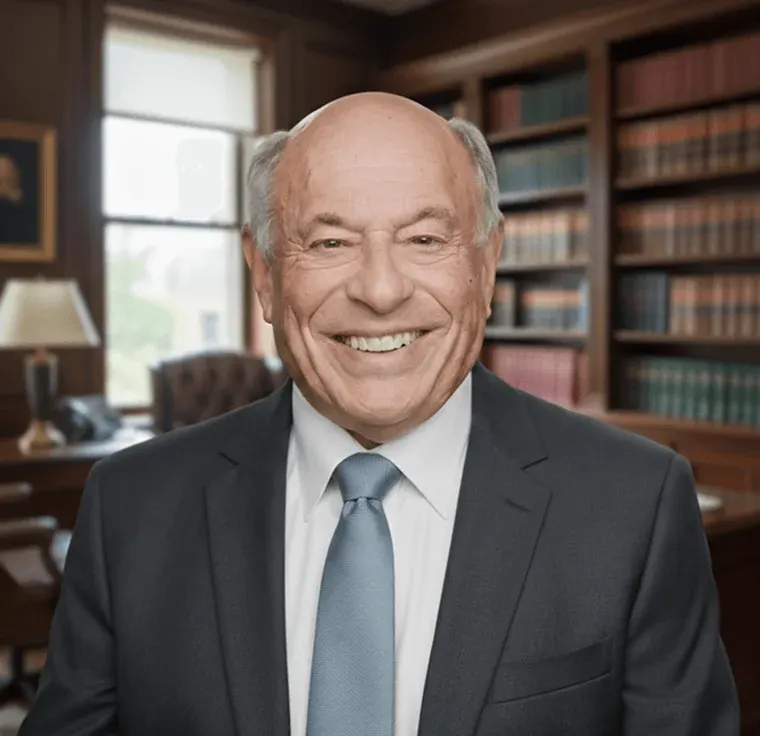
Paul H. Appel, Esq., business attorney, in his law library

Your attorney

Paul H. Appel, Esq.

Every matter at the firm is handled personally by Paul — the same attorney reads the documents, gives the advice and negotiates on your behalf.

Education
Columbia Law School, Juris Doctor (1967)
Experience
58+ years in commercial and business law
Focus for this matter
Business acquisitions, sales, due diligence and closing documents
Office
Freehold, NJ — serving Monmouth, Middlesex & Ocean Counties
More about Paul and the firm

Contact

Discuss Your Business Matter With Paul

Describe what the business is dealing with — a contract on your desk, a deal in progress, a dispute or a company you are about to form. You will hear back from the attorney who handles the work.

Start a conversation

Schedule a Free Consultation

Loading the secure consultation form… If it does not appear, call 917-748-6124 or email paul@paulappellaw.com.