
Monmouth County · New Jersey
Merging Two Local Businesses: Counsel From Freehold
When two owner-run companies in Monmouth County decide they are stronger together, the hard questions are about control, value and what happens if the partnership does not work. Paul H. Appel advises on those combinations from his office in Freehold.
Why local owners combine
Small mergers are usually about people as much as balance sheets
Most mergers the firm sees in Western Monmouth are not takeovers. They are two owner-operators combining a customer base, a crew or a practice because each sees something the other brings.
Freehold sits at the center of Monmouth County, with Freehold Borough serving as the county seat and Freehold Township wrapped around it. The Route 9 and Route 33 corridors connect it to Manalapan, Marlboro, Howell and Colts Neck, and many of the businesses along those roads are trades, professional offices and service companies run by their founders. When those owners merge, the motive is often practical: one is thinking about retirement and wants a successor, two contractors want to share dispatch and equipment, or two practices want shared staff and longer hours.
Those combinations raise legal questions that a straightforward purchase does not. Neither side is simply paying and walking away, so the deal has to settle how the combined business will be run and what happens if the owners later disagree. This page focuses on those local, small-scale combinations; the formal statutory steps are explained separately on the corporate merger page.

Ways to combine
Three structures for merging two small companies
The right choice depends on liabilities, tax, licenses and how equal the owners want to be.
One company absorbs the other
A statutory merger in which one entity survives and the other's owners receive an interest in the survivor. Efficient, but the survivor inherits everything the absorbed company owes.
Both contribute to a new entity
Each owner contributes their business, or its assets, to a newly formed LLC or corporation in exchange for an agreed share. This gives a fresh start on governance and can keep old liabilities in the original shells.
Purchase plus equity
One owner buys the other's assets, with part of the price paid in an ownership stake. Useful when the selling owner will stay on for a transition period but not indefinitely.
The part owners underestimate
Governance of the combined business
In a merger of equals, a fifty-fifty split feels fair on day one and creates deadlock risk on day four hundred. Before closing, the owners should agree in writing on the matters that matter most:
- Who manages day-to-day operations, and which decisions need both owners' consent
- How profits are distributed, and what each owner is paid for working in the business
- What happens on death, disability, retirement or a falling-out, with a buy-sell mechanism and a valuation method
- Whether either owner may compete, solicit staff or start another venture
- How a deadlock is broken, whether by a tie-breaking adviser, mediation or a buyout trigger
These terms belong in the new operating agreement or shareholder agreement and should be negotiated alongside the merger documents, not after. How the ownership percentages are fixed in the first place is discussed in valuation in a merger.
Practical issues
Items that come up in Monmouth County combinations
Many of these are routine to resolve if they are found early and expensive if found late.
- Both companies' leases: whether either landlord must consent, and which location the combined business will keep
- Registrations and licenses, such as home improvement contractor registration or professional licensing, that may limit who can own the combined entity
- Vehicle titles, equipment leases and insurance policies that are in one company's or one owner's name
- Employee transitions, including handbooks, pay practices and any written employment agreements
- The trade name, website and phone numbers customers already know
- Personal guarantees each owner has signed for loans or leases
The firm's broader M&A services for buyers and sellers cover the documents that follow from these decisions.
Working with the firm
Meeting in Freehold, or wherever suits you
Merger discussions often go best with both owners in the same room, and the firm's office at 11 Crestwood Drive in Freehold is a convenient midpoint for owners across Monmouth County. Meetings can also be held by phone or video. Paul represents one side of the combination; the other owner should have separate counsel, and the firm will coordinate with them directly.
Owners elsewhere in the county may find the Monmouth County business law overview helpful for related needs such as leases and contracts.
Local merger questions
Merging small businesses: what Freehold-area owners ask
How do two small businesses merge in New Jersey?
There are three common routes: a statutory merger where one entity absorbs the other, a contribution of both businesses into a newly formed company, or a purchase where part of the price is paid in equity. The choice turns on which liabilities each side carries, tax advice, licensing and how the owners want to share control.
Who controls the business after two owners merge?
Whatever the owners agree in writing. Without an agreement, default rules in the LLC Act or the Business Corporation Act apply, and those rarely match what two founders actually intend. Management roles, consent rights, compensation and deadlock procedures should all be negotiated as part of the merger itself.
Do we need a new company to combine our businesses?
Not necessarily. A new entity gives a clean governance slate and can leave each side's history in its old company, but it requires new registrations, accounts and contract assignments. Folding one company into the other can be simpler operationally. Comparing the two with your accountant is usually the first step.
What happens to each company's lease and employees?
Leases often require landlord consent to an assignment or a change of ownership, and some treat a merger as an assignment. Employees of an absorbed company generally become employees of the survivor, while a contribution or asset deal usually means they are rehired by the new entity. Both should be planned before the combination is announced.
Your attorney
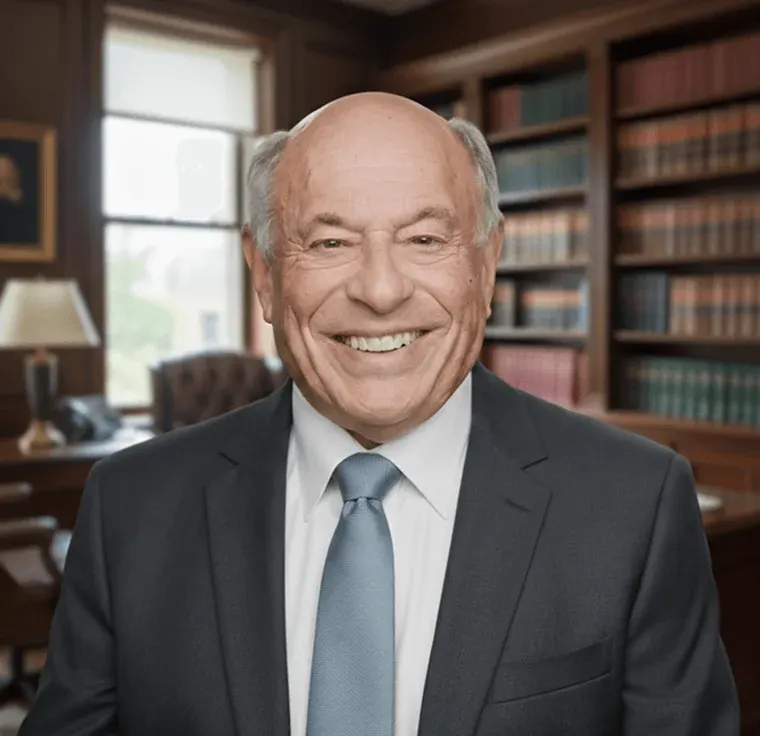
Paul H. Appel, Esq.
Every matter at the firm is handled personally by Paul — the same attorney reads the documents, gives the advice and negotiates on your behalf.
- Education
- Columbia Law School, Juris Doctor (1967)
- Experience
- 58+ years in commercial and business law
- Focus for this matter
- Business acquisitions, sales, due diligence and closing documents
- Office
- Freehold, NJ — serving Monmouth, Middlesex & Ocean Counties
Contact
Discuss Your Business Matter With Paul
Describe what the business is dealing with — a contract on your desk, a deal in progress, a dispute or a company you are about to form. You will hear back from the attorney who handles the work.
- Phone917-748-6124
- Office11 Crestwood Drive, Freehold, NJ 07728
- ConsultationsBy phone, video or in person by appointment
Start a conversation