
Startup Legal Support · Guide

Nine Legal Mistakes New Jersey Startups Make — and How to Fix Each One

Most early-stage legal problems are not exotic. They come from a short list of shortcuts that seem harmless in the first month and become expensive by the first year.

How to use this guide

Each mistake comes with its repair

Every item below pairs a common error with what to do if you have already made it. Few of these are fatal when caught early; most become harder to repair once money, investors or a dispute arrive.

This is general information for New Jersey founders, not advice about your company. If one of these describes your situation, the fix will depend on your documents and the people involved.

The list

Mistake, consequence, fix

MistakeWhy it hurtsHow to fix it
Signing contracts before the entity existsYou may be personally bound, and the company may not automatically inherit the dealForm the entity, then have the company formally adopt or re-sign the contract
No written agreement among co-foundersEquity, control and exits default to statutory rulesSign a founders agreement or operating agreement now, even late
Mixing personal and business moneyWeakens the separateness that supports limited liabilityOpen a business account, document contributions and stop paying personal bills from it
Assuming you own freelance workCopyright usually stays with the contractor absent a written assignmentObtain signed confirmatory IP assignments
Treating workers as contractors by defaultNew Jersey's ABC test is strict and misclassification penalties are significantReview each relationship and reclassify where needed
Copying another company's termsTerms may not fit your product, your customers or New Jersey lawHave customer terms drafted for your actual business
Ignoring annual state filingsMissed annual reports can lead to loss of good standingCalendar the anniversary-month report and bring the company current
Picking a name without clearanceA rebrand after a demand letter is costlySearch before you invest in signage, domains and marketing
Promising equity informallyEmails offering a share can be argued to create obligationsPaper every grant through proper approvals, or clearly withdraw the offer

A closer look

The three mistakes that cost founders the most

Liability

Treating the LLC as a personal wallet

Limited liability is the main reason to form an entity, and it depends partly on actually treating the company as separate. Courts can disregard the entity — often called piercing the corporate veil — when owners ignore that separation. Read more on how owners lose personal asset protection.

Ownership

Leaving IP outside the company

Investors and buyers check whether the company owns what it sells. Code, designs and content created by founders or freelancers without a written assignment create a title problem that can delay or kill a deal.

Employment

Misclassifying the first workers

Under the ABC test, a worker is presumed an employee unless the business shows all three parts are met, including that the work is outside the usual course of the business or its places of business. Back wages, taxes and penalties can follow a misclassification finding. The guide on contractor versus employee status explains the test.

Startup owner checking financial records with a calculator to keep business and personal funds separate

Self-audit

A ten-minute check for a company already operating

Answer each item honestly. Any "no" is worth a conversation.

  • The company, not a founder personally, is the party on every signed contract
  • Every owner has signed the operating agreement or shareholder agreement
  • There is a written IP assignment from every person who built the product
  • The business has its own bank account and no personal expenses run through it
  • Each contractor relationship would hold up under the ABC test
  • The state annual report is filed and the company is in good standing
  • Any equity promised to advisers or early staff is documented and approved

Many of these gaps are closed in one pass as part of a startup legal package, which also sets up the documents so later additions stay consistent.

Prevention

Why early fixes are cheaper than late ones

A missing assignment costs little to sign while the founder is still friendly and still involved. The same signature, requested two years later from a departed co-founder who knows an acquisition depends on it, can cost a great deal. The same pattern holds for contracts signed pre-formation, informal equity promises and loose worker arrangements.

The goal is not perfection on day one. It is to make the few decisions that are hard to reverse carefully, and to keep simple records of the rest. Founders who want a broader foundation can start with the pre-launch document list.

Questions & answers

Startup legal mistakes — follow-up questions

Can a startup fix legal mistakes after launch?

Usually, yes. Contracts can be assigned or re-signed by the entity, IP can be transferred by confirmatory assignment, and late operating agreements can be adopted. What becomes harder is getting cooperation from people whose incentives have changed, which is why repairs are best done while relationships are still good.

Does mixing personal and business money really matter?

It can. Commingling is one of the factors courts look at when deciding whether to hold owners personally responsible for company debts. It also makes taxes and any later sale harder. Keeping a separate account and recording contributions and draws is a simple, inexpensive habit.

Is using a free online contract template a mistake?

Not always, but templates are written for no one in particular. They may omit terms your business needs, include terms that do not suit New Jersey, or conflict with your other documents. A template is a reasonable starting point for discussion; it is rarely a finished agreement.

What should a founder do first if several of these apply?

Prioritize by consequence. Ownership and IP gaps usually come first because they affect who controls the company and what it owns. Liability and classification issues follow. Name clearance and filings can generally be handled quickly once the bigger items are in hand.

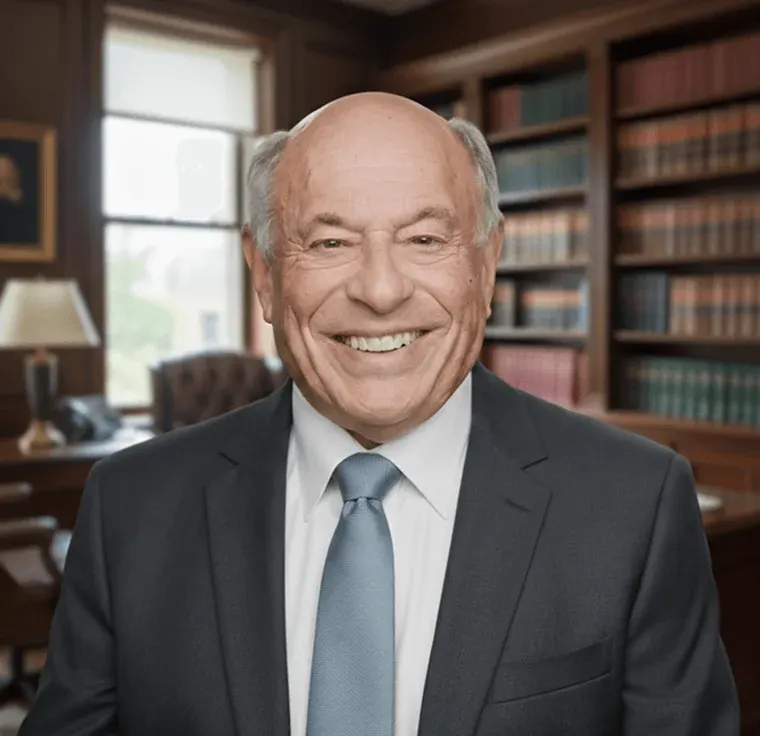
Paul H. Appel, Esq., business attorney, in his law library

Your attorney

Paul H. Appel, Esq.

Every matter at the firm is handled personally by Paul — the same attorney reads the documents, gives the advice and negotiates on your behalf.

Education
Columbia Law School, Juris Doctor (1967)
Experience
58+ years in commercial and business law
Focus for this matter
Founder agreements, formation packages and pre-launch legal foundations
Office
Freehold, NJ — serving Monmouth, Middlesex & Ocean Counties
More about Paul and the firm

Contact

Discuss Your Business Matter With Paul

Describe what the business is dealing with — a contract on your desk, a deal in progress, a dispute or a company you are about to form. You will hear back from the attorney who handles the work.

Start a conversation

Schedule a Free Consultation

Loading the secure consultation form… If it does not appear, call 917-748-6124 or email paul@paulappellaw.com.