
Monmouth County · New Jersey

Franchise Counsel for Monmouth County Locations, From Highway Strip Centers to Shore Towns

Most Monmouth County franchises live in shopping centers or in shore towns where business rises and falls with the season. Both settings put pressure on franchise documents that were written with a generic year-round location in mind.

Local practice

A Monmouth County office, county-wide franchise clients

The firm's only office is at 11 Crestwood Drive in Freehold. Franchisees across Monmouth County work with Paul by phone, video or in person in Freehold by appointment.

Franchise locations here tend to cluster along the major retail corridors — Route 9, Route 35, Route 18 and the roads feeding the Garden State Parkway interchanges — and in the downtowns and boardwalk areas of shore communities. The legal issues follow the real estate: the landlord's lease shapes the franchise as much as the franchise agreement does.

This page covers those two local themes. For general business matters beyond franchising, the firm's Monmouth County business law services page is the place to start. For the full range of franchisee services, from FDD review to disputes, see the franchise agreements overview.

The examples below are general. Each shopping center lease and franchise agreement is different, and local zoning or licensing rules vary by municipality.

Shopping-center leases

Lease clauses that collide with franchise obligations

Center landlords use their own forms. The franchisor then adds a lease rider. A franchisee sits between the two and must comply with both.

Use and exclusives

Protecting your category

A use clause that is too narrow can block menu or service changes the franchisor later requires. An exclusive-use provision can stop the landlord leasing to a direct competitor in the same center — worth asking for, since the franchise territory does not bind the landlord.
Co-tenancy

When the anchor leaves

Many franchise units depend on traffic from an anchor store. A co-tenancy clause can reduce rent or allow you to exit if key tenants go dark. Without one, you may owe full rent and full royalties on a fraction of the traffic.

CAM and pass-throughs

Costs beyond base rent

Common area maintenance, real estate taxes and insurance pass-throughs can grow significantly over a lease term. Caps on controllable charges and audit rights help keep total occupancy costs within the business plan. These terms are a regular part of the firm's commercial lease review and negotiation.

Relocation and radius

Being moved or boxed in

Relocation clauses let landlords move you within the center; radius restrictions can stop you opening another unit nearby. Both can conflict with a franchise development plan or territory.

Franchisor rider

The franchisor's rights in your lease

Franchisors usually require a rider giving them notice of defaults, a right to cure, and the right to take over the lease if the franchise ends. Landlords sometimes resist; the negotiation needs to satisfy both before the franchise agreement deadline.

Shore seasonality

When a year-round agreement meets a summer business

In towns along the Monmouth County shore, sales can be heavily concentrated between late spring and early autumn. Franchise agreements, by contrast, usually assume consistent monthly performance and continuous operation.

That mismatch shows up in several ways. Fixed minimum royalties or advertising contributions are payable in January as well as July. Operating-hours clauses may require you to stay open on schedules that make no sense for a boardwalk unit in February. Sales-performance tests for keeping a territory may be measured monthly or quarterly rather than annually.

  • Ask whether minimum fees can be measured annually rather than monthly
  • Seek written approval for seasonal hours or a seasonal closure before signing, not after
  • Check that a seasonal dip cannot be treated as abandonment or a performance default
  • Align the lease's continuous-operation clause with whatever the franchisor approves
  • Plan seasonal staffing within the franchisor's training and staffing standards

Seasonal businesses face other issues too, from temporary hires to off-season cash flow; the firm's article on legal tips for shore and seasonal businesses covers them more broadly.

Getting started

What a Monmouth County franchisee engagement looks like

  1. Share the site details

    Send the proposed lease or letter of intent, the franchisor's site approval requirements and the franchise documents.

  2. Joint review

    Paul reads the lease and franchise agreement side by side, focusing on conflicts in use, hours, term, assignment and default provisions.

  3. Negotiate the landlord terms

    Proposed lease changes go to the landlord's representative while franchise-side requests go to the franchisor, coordinated so neither deal closes on terms the other contradicts.

  4. Ongoing support

    Lease renewals, landlord disputes and later franchise issues are handled by the same attorney, which matters when a lease and a franchise term expire at different times.

Questions & answers

Monmouth County franchisees — questions

What lease terms matter most for a franchise in a Monmouth County shopping center?

Use and exclusive-use clauses, co-tenancy protection, common area and tax pass-throughs, relocation rights, the assignment clause and how the lease term lines up with the franchise term. The franchisor's lease rider must also be accepted by the landlord. Getting these right is often worth as much as any change to the franchise agreement itself.

How do seasonal sales at the shore affect a franchise agreement?

The agreement may impose fixed minimum payments, continuous operating hours and performance measures that do not reflect a summer-heavy business. The risk is a technical default in the slow season. Raising seasonality before signing gives you the best chance of written accommodations, such as annualised minimums or approved seasonal hours.

Can I close my shore franchise during the off-season?

Only if your franchise agreement and lease allow it, or you obtain written approval. Many agreements treat a closure as abandonment, which can be a ground for termination. Some systems built for seasonal locations do permit it. Do not close based on verbal permission from a field representative.

Do I need to visit the office to work with the firm?

No. Clients across the county work with the firm by phone and video, and documents are exchanged electronically. In-person meetings in Freehold are available by appointment for anyone who prefers to sit down and go through the documents together.

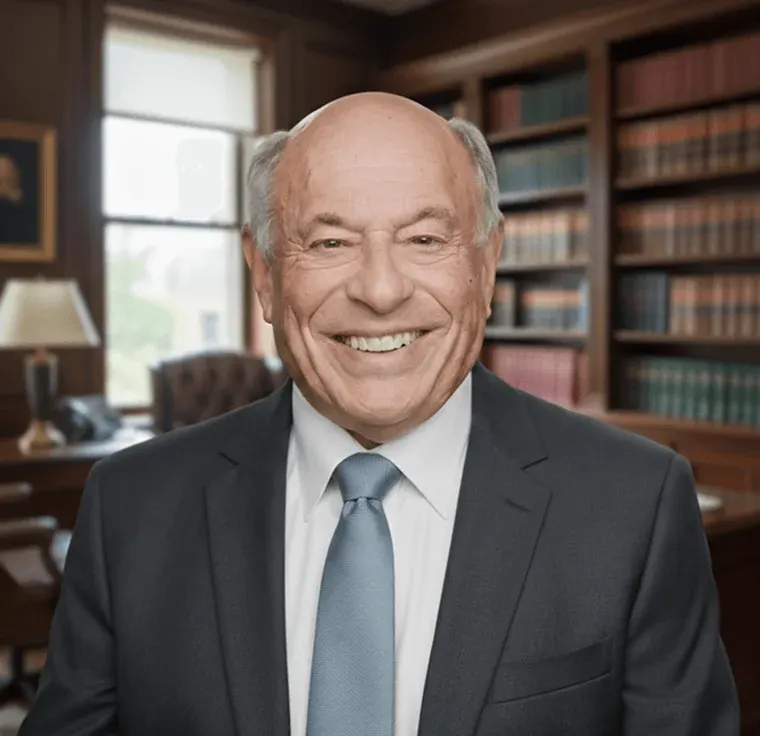
Paul H. Appel, Esq., business attorney, in his law library

Your attorney

Paul H. Appel, Esq.

Every matter at the firm is handled personally by Paul — the same attorney reads the documents, gives the advice and negotiates on your behalf.

Education
Columbia Law School, Juris Doctor (1967)
Experience
58+ years in commercial and business law
Focus for this matter
Franchise disclosure review and franchise agreement negotiation
Office
Freehold, NJ — serving Monmouth, Middlesex & Ocean Counties
More about Paul and the firm

Contact

Discuss Your Business Matter With Paul

Describe what the business is dealing with — a contract on your desk, a deal in progress, a dispute or a company you are about to form. You will hear back from the attorney who handles the work.

Start a conversation

Schedule a Free Consultation

Loading the secure consultation form… If it does not appear, call 917-748-6124 or email paul@paulappellaw.com.