
Mergers & Acquisitions · Intellectual Property
Make Sure the Brand, Code and Know-How Actually Change Hands
For many small companies the name, the website, the customer database and the software are worth more than the equipment. A purchase only delivers them if the seller truly owns them and the transfer is documented properly.
The ownership problem
You cannot buy what the seller never owned
The central question in any intellectual property transfer is chain of title: can the seller trace each asset back to its creation and show that ownership passed, in writing, to the company?
Small businesses often cannot. The logo was designed by a freelancer, the website by a cousin, the scheduling app by an offshore developer paid through a platform, and the domain name sits in the founder's personal registrar account. None of that is unusual — but each is a gap a buyer needs closed before paying for goodwill that depends on those assets.
Paul reviews what the business uses, who created it, and what paperwork exists, then documents the transfer so the buyer can prove ownership later to a lender, a platform, a future purchaser or a court. Registered patent work, where it arises, is coordinated with a registered patent practitioner.
Intellectual property rules are partly federal and partly state, and the right approach depends on the asset and the deal structure. This page offers general orientation only.
Asset by asset
How common IP assets are proven and transferred
| Asset | How ownership is shown | How it moves to the buyer |
|---|---|---|
| Trademarks and trade names | Registration records, plus evidence of the company's actual use of the mark | Written assignment that includes the goodwill the mark represents; recording with the USPTO for registered marks |
| Domain names | Registrar account records — often in an individual's name | Account transfer or registrant change, with credentials handed over at closing |
| Copyrights (content, designs, code) | Employee authorship within the job, or a written assignment from the creator | Signed written assignment; registration records updated where they exist |
| Custom software | Developer agreements, repository access, any open-source components | Assignment of code and documentation, plus transfer of hosting and repository accounts |
| Trade secrets and know-how | Reasonable confidentiality measures actually in place | Delivery of the information plus covenants that the seller keeps it confidential |
| Licensed tools and data | License agreements — the business does not own these | Assignment only if the license permits it, or consent, or a new license in the buyer's name |
The most common gap
Work made by contractors
Under federal copyright law, a business generally owns copyrightable work its employees create within the scope of their jobs. Work by independent contractors is different: absent a signed writing, the creator often keeps the copyright, and the "work made for hire" label only works for certain categories of commissioned work and only when the written agreement says so.
That means logos, marketing copy, photographs, website code and software built by freelancers may still belong to them. The fix is usually straightforward if the creator can be found and is cooperative — a short confirmatory assignment, signed before closing. Where the creator cannot be found, the buyer may need a price adjustment, a specific indemnity or a plan to recreate the asset.
For future work, the business's independent contractor agreements should contain a present assignment of intellectual property so the problem does not recur under new ownership.
Diligence list
IP questions to resolve before signing
These supplement the general requests on the acquisition due diligence checklist.
- A list of every brand name, logo, slogan and domain the business uses, and in whose name each is registered
- Who designed the logo, website and marketing materials, and whether written assignments exist
- Who wrote any custom software, where the code is stored, and what open-source components it includes
- Every software, data and content license the business depends on, with its assignment and change-of-control terms
- Social media, email marketing and online marketplace accounts, and who holds the login credentials
- Customer data the business holds and the privacy terms under which it was collected
- Confidentiality agreements with employees and contractors who handle sensitive information
- Any claims or letters alleging infringement, by or against the business
At closing
Documenting the transfer
Schedule the assets
The purchase agreement lists the IP being transferred by name, registration number and account, so nothing depends on general language alone.
Cure the gaps
Confirmatory assignments from founders and contractors are signed before or at closing; licenses needing consent are addressed with the licensor.
Sign the assignments
Separate short-form assignments for trademarks, copyrights and domains are executed so they can be recorded or shown to platforms without revealing the whole purchase agreement.
Hand over control
Credentials, registrar accounts, code repositories and admin access move to the buyer, with the seller cooperating on any transfers that take time after closing.
Contract protection
Representations that back up the paperwork
Even a careful review cannot uncover everything. The purchase agreement should therefore include IP representations — that the seller owns or validly licenses what the business uses, that it is not aware of infringement claims, and that founders and contractors have assigned their rights — backed by indemnities for breach. These sit alongside the buyer protections the firm negotiates in every asset purchase agreement.
Where the buyer will rely on licensed technology rather than owned assets, the terms of those licenses matter as much as the purchase agreement; the firm's licensing agreement work covers that side. The overall deal process is set out on the buying and selling a business hub.
Questions & answers
IP transfer — questions in a business sale
Does a business own the software or designs its contractors created?
Not automatically. Copyright in work created by an independent contractor generally stays with the creator unless there is a signed written assignment, or the work fits one of the limited work-made-for-hire categories and the agreement says so. Buyers should ask for the contractor agreements and obtain confirmatory assignments for anything important before closing.
How is a trademark transferred when a business is sold?
By a written assignment that transfers the mark together with the goodwill of the business it represents. A bare transfer of the name without the associated business can be ineffective. For federally registered marks, the assignment is recorded with the USPTO so the public record shows the buyer as owner. Unregistered marks transfer through the purchase documents and continued use.
What happens to domain names and social media accounts in a sale?
They move only if someone actually transfers control. Domains are often registered to a founder personally, and platform accounts are governed by each platform's terms. The purchase agreement should list them, require the seller to cooperate, and closing should include handing over credentials and completing any registrant or administrator changes.
Are licensed tools transferred to the buyer automatically?
Usually not in an asset purchase. Many software and data licenses prohibit assignment without the licensor's consent, and some treat a change of control as an assignment even in a share purchase. Each important license should be reviewed early so consent can be requested or a new license arranged before the buyer needs it.
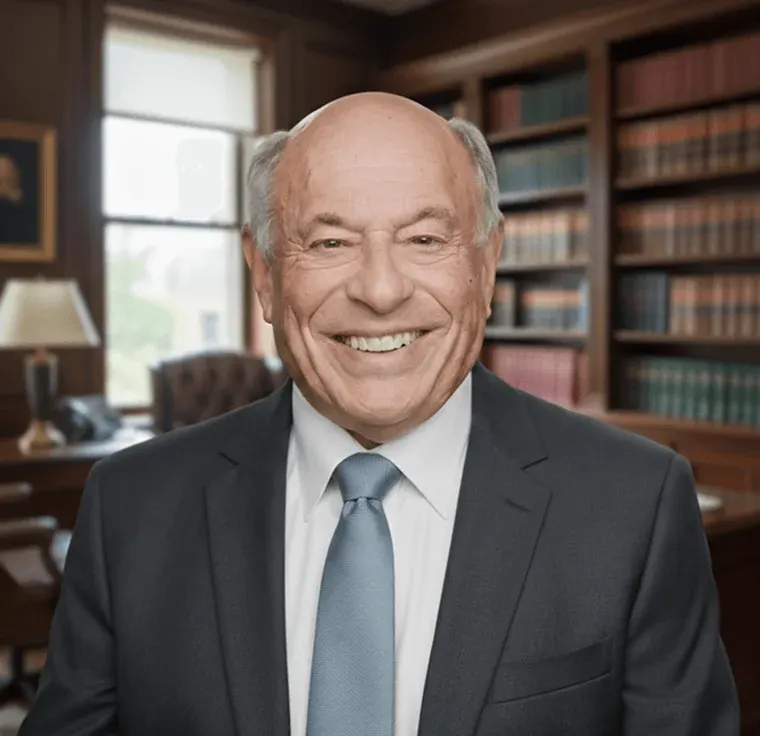
Your attorney
Paul H. Appel, Esq.
Every matter at the firm is handled personally by Paul — the same attorney reads the documents, gives the advice and negotiates on your behalf.
- Education
- Columbia Law School, Juris Doctor (1967)
- Experience
- 58+ years in commercial and business law
- Focus for this matter
- Business acquisitions, sales, due diligence and closing documents
- Office
- Freehold, NJ — serving Monmouth, Middlesex & Ocean Counties
Contact
Discuss Your Business Matter With Paul
Describe what the business is dealing with — a contract on your desk, a deal in progress, a dispute or a company you are about to form. You will hear back from the attorney who handles the work.
- Phone917-748-6124
- Office11 Crestwood Drive, Freehold, NJ 07728
- ConsultationsBy phone, video or in person by appointment
Start a conversation