
Governance & Liability · New Jersey

Four Ways Weak Governance Puts Owners' Personal Assets on the Line

Forming an LLC or corporation limits your personal liability, but it does not make you untouchable. Most personal exposure for owners comes not from the entity failing, but from what owners signed, mixed or decided along the way.

The starting point

Limited liability is the rule, with important exceptions

As a general rule, members of a New Jersey LLC and shareholders of a corporation are not personally liable for the company's debts simply because they own it. The exceptions, though, are common in small businesses.

Some exceptions are voluntary: an owner signs a personal guarantee and takes on the debt deliberately. Others arise from conduct: owners who treat company money as their own, sign contracts they were not authorized to sign, or breach duties they owe to co-owners. And some come from specific statutes that can reach the individuals responsible for certain obligations, regardless of the entity.

Poor governance makes every one of these more likely. When decisions are not recorded, authority is unclear and money moves informally, it becomes harder for an owner to show that a debt or decision belonged to the company rather than to them personally. This guide looks at the four main routes to personal exposure. The most extreme route, a court disregarding the entity entirely, has its own guide on piercing the corporate veil.

Four routes to personal exposure

Where owners get caught

1 · Guarantees

Personal guarantees signed and forgotten

Landlords, banks, equipment lessors and major suppliers often require an owner's personal guarantee. A guarantee makes the owner directly liable if the company does not pay, and many are drafted to continue through renewals, amendments and even a sale of the business unless the owner is formally released. Owners frequently lose track of them. This is the single most common source of personal liability in small companies, and it is entirely contractual.
2 · Commingling

Treating company money as personal money

Paying personal expenses from the business account, depositing company receipts into a personal account or moving money back and forth without documentation can blur the separation between owner and entity. It weakens the owner's position if a creditor argues the company was simply an extension of the owner, and it complicates tax treatment. It can also become evidence in a dispute with co-owners about who is owed what.

3 · Authority

Signing without authority

If an officer or manager signs a contract they were not authorized to make, the counterparty may, depending on the circumstances, look to the individual who signed. Separately, co-owners may claim the signer must cover losses the unauthorized commitment caused. Unclear authority, a hallmark of poor governance, makes both arguments easier to bring. Signing personally without stating the company name and your title creates a similar risk.

4 · Fiduciary duties

Claims by co-owners

Directors and officers of a corporation, and managers or members of an LLC who manage it, owe duties of loyalty and care to the company, subject to what the governing documents and the law allow to be modified. Self-dealing, diverting opportunities, or deals with related parties approved without proper process are the usual triggers. These claims are brought personally against the individual, and in closely held companies they often accompany a broader falling-out.

Warning signs

Governance habits and the exposure they create

HabitWhat it can lead toCorrective step
No list of guarantees owners have signedLiability on a renewed lease or loan the owner thought had endedInventory every guarantee; negotiate releases or caps at renewal
One account used for business and householdCreditor arguments that the entity is a sham; tax and accounting confusionSeparate accounts; documented loans or distributions
No written signing authorityContracts challenged as unauthorized; disputes between ownersBoard or member resolution defining who may sign what
Contracts signed with a personal name onlyThe individual may be treated as a party to the contractAlways sign in the company name with your title
Related-party deals approved informallyFiduciary claims by co-owners alleging unfair termsDocumented approval by disinterested owners where possible
Payroll or sales tax remittances slippingPossible personal assessment against responsible individualsPrioritize trust-fund taxes; speak with your accountant promptly

Statutory exposure

Obligations that can follow the individual

Certain obligations are treated differently from ordinary business debts. Taxes withheld from employee wages or collected from customers, such as payroll withholding and sales tax, are generally regarded as held for the government. Federal and New Jersey tax authorities can, in appropriate circumstances, assess responsible individuals personally for amounts that were not paid over. Who counts as responsible is a fact-specific question, so speak with your accountant and counsel promptly if remittances have fallen behind.

Owners who personally take part in wrongful conduct, for example by making misrepresentations to a customer, can also face personal claims for their own actions, even where the contract was with the company. The entity protects owners from the company's liabilities, not from their own.

A self-check

Questions every owner should be able to answer

  • Can I list every personal guarantee I have signed, and when each one ends?
  • Does every business payment flow through a business account?
  • Is there a written record of who may sign contracts and borrow for the company?
  • Do I always sign documents in the company's name with my title?
  • Were deals between the company and me, or my relatives, approved on the record?
  • Are payroll and sales tax remittances current?

Any no or not-sure answer is a reason for a closer look. A corporate governance review addresses most of these items directly, and the wider legal risk analysis covers guarantees and contracts as well.

Questions & answers

Owner liability — questions

Can I be personally liable for my LLC's debts in New Jersey?

Generally, no, simply by being a member. But you can be liable if you personally guaranteed the debt, if you personally committed the wrongful act that caused the claim, if a statute reaches responsible individuals for certain obligations such as unremitted trust-fund taxes, or in the less common case where a court disregards the entity. Most owner liability in practice comes from guarantees.

How does commingling funds create personal liability?

Commingling does not automatically make an owner liable, but it undermines the separation between owner and company. If a creditor later argues the business was merely the owner's alter ego, mixed accounts and undocumented transfers are typical evidence. It also makes it harder to defend tax treatment and to resolve disputes with co-owners about contributions and distributions.

Can a co-owner sue me personally for decisions I made for the company?

Yes, in some situations. Those who manage a corporation or LLC owe duties to the company, and a co-owner may bring a claim, sometimes on the company's behalf, alleging breach of loyalty or care. Typical triggers are self-dealing or related-party deals without proper approval. Following documented approval procedures is the best protection, together with clear terms in the governing documents.

Can I get released from a personal guarantee?

Sometimes. Releases are most often negotiated at a lease renewal, refinancing, sale of the business or when an owner exits. Some guarantees include burn-off provisions after a period of on-time payment. The guarantee's own wording controls, so it should be reviewed before any renewal or amendment is signed, since those are the moments when you have the most leverage.

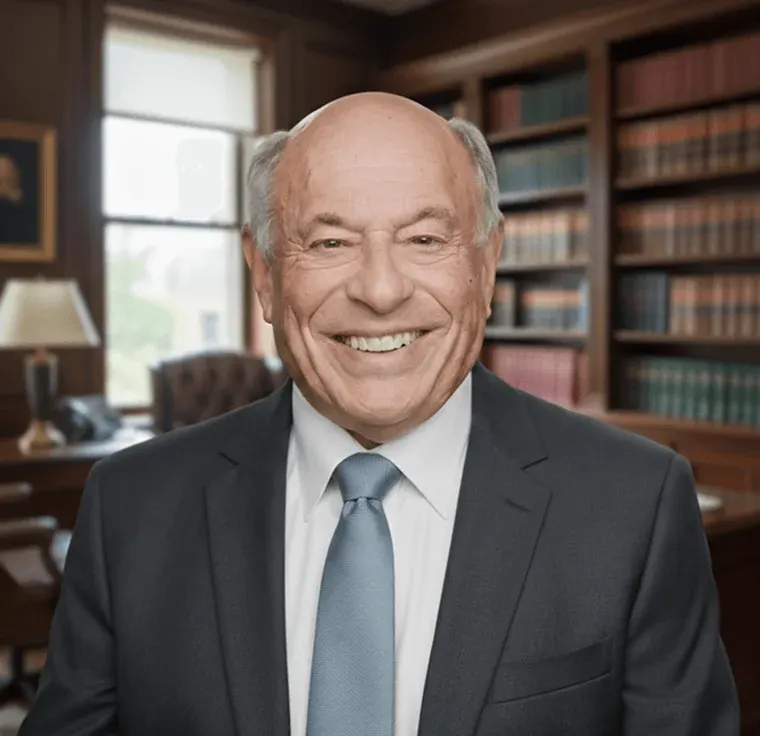
Paul H. Appel, Esq., business attorney, in his law library

Your attorney

Paul H. Appel, Esq.

Every matter at the firm is handled personally by Paul — the same attorney reads the documents, gives the advice and negotiates on your behalf.

Education
Columbia Law School, Juris Doctor (1967)
Experience
58+ years in commercial and business law
Focus for this matter
Compliance audits, governance review and legal risk analysis
Office
Freehold, NJ — serving Monmouth, Middlesex & Ocean Counties
More about Paul and the firm

Contact

Discuss Your Business Matter With Paul

Describe what the business is dealing with — a contract on your desk, a deal in progress, a dispute or a company you are about to form. You will hear back from the attorney who handles the work.

Start a conversation

Schedule a Free Consultation

Loading the secure consultation form… If it does not appear, call 917-748-6124 or email paul@paulappellaw.com.