History
Liabilities from a former business
Many shells were once operating companies. Old debts, lawsuits, tax obligations or regulatory problems can survive inside the entity and become the merged company's problem.
The Law Offices of Paul H. Appel – Your Trusted Business Law Partner in New Jersey

Reverse Mergers · General Guide
A reverse merger lets a private company take over an existing public or shell company instead of conducting its own offering. It can look like a shortcut. This guide explains the structure, the risks and the questions an owner should have answered before agreeing to one.
The basic idea
In a reverse merger, the owners of a private operating company exchange their ownership for a controlling stake in another company — often a publicly reporting "shell" with few or no operations. After closing, the private company's business and management effectively run the combined entity.
It is called "reverse" because, although the shell is technically the acquirer, the private company's owners end up in control. The transaction is frequently structured as a reverse triangular merger: the shell forms a subsidiary, that subsidiary merges into the private company, and the private company survives as a wholly owned subsidiary of the shell, whose shares go to the private company's former owners.
Reverse mergers are sometimes promoted to small and mid-sized business owners as a faster or cheaper route to public-company status or to raising capital. Whether that is true depends heavily on the specific shell, the owner's goals and the regulatory requirements that apply after closing.
This page is general background, not advice on any particular transaction. Reverse mergers involving public companies are governed by federal securities laws and, where relevant, stock exchange rules; those aspects require experienced securities counsel.
Where the firm fits
The firm's practice is commercial and business law. In a proposed reverse merger it can help an owner understand the structure being offered, review the merger documents from the operating company's perspective, organize legal due diligence on the shell and its history, and address the private-company side: entity approvals, contracts, employment arrangements and the treatment of existing owners.
The firm does not hold itself out as public-company securities counsel. SEC reporting, registration questions, resale restrictions, exchange listing and broker-dealer issues should be handled by securities counsel engaged for that purpose, working alongside the company's auditors. Part of the firm's role can be helping an owner recognize when those specialists are needed and coordinating with them. For the wider set of deal services, see the business transactions overview.
Risks
A shell's value lies in its status and its shareholder base, which means its risks are often in its history rather than its balance sheet.
History
Many shells were once operating companies. Old debts, lawsuits, tax obligations or regulatory problems can survive inside the entity and become the merged company's problem.
Records
Missing or inaccurate periodic reports, unclear share issuances, or an incomplete shareholder record can create regulatory exposure and disputes over who owns what.
People
Reverse mergers have been associated with promoters seeking to profit from share trading rather than from the business. Background checks on the shell's officers, directors and major holders are essential.
Regulation
Federal securities rules impose extra requirements on transactions involving shell companies, including enhanced disclosure after the merger, and resale of shares in former shell companies is subject to additional restrictions. Exchanges have also adopted seasoning requirements for reverse-merger companies seeking a listing.
Cost
Once public, the company bears audit, reporting, governance and compliance costs every year. Those continuing costs, not just the merger itself, should drive the decision.
Diligence
Diligence on a shell resembles any acquisition review, with added emphasis on regulatory history. The firm's legal due diligence services explain the general approach.
Uncovering hidden liabilities is a recurring theme in acquisitions generally; see protection against hidden liabilities for the contractual tools available.
Comparing routes
A general comparison. Each route has its own legal and financial requirements, and the right choice depends on the business.
| Route | What it involves | Typical considerations |
|---|---|---|
| Reverse merger with a shell | Private company takes control of an existing entity | Shell history, securities-law overlay, ongoing public-company costs |
| Traditional initial public offering | Company registers and sells its own shares through underwriters | Extensive regulatory process, but no inherited entity history |
| Private capital raise | Investors buy equity or notes privately | Securities-law exemptions must still be satisfied; the company stays private |
| Merger with a private company | Two private businesses combine under state merger law | Governed mainly by state corporate law and the merger agreement |
Mergers between private companies are discussed on the corporate merger page.
Questions
A transaction in which a private operating company combines with an existing company — often a public shell — so that the private company's owners receive a controlling stake and its business becomes the combined company's business. It is usually structured so the private company becomes a subsidiary of the shell, with the private owners receiving the shell's shares.
It can avoid some steps of a traditional offering, but it is not necessarily faster or cheaper overall. Enhanced disclosure requirements apply after a shell merger, resale of shares can be restricted, exchanges may require a seasoning period before listing, and the company immediately takes on annual public-company reporting and audit costs. Those factors should be modeled before deciding.
The principal risks are inherited liabilities from the shell's past, inaccurate or incomplete records, problems with the people behind the shell, unexpected dilution from outstanding securities, and regulatory issues that affect the merged company's ability to trade or list. Thorough diligence and contractual protection reduce, but cannot eliminate, these risks.
Usually more than one. Securities counsel should handle SEC reporting, registration and resale questions and any exchange issues. A business transactions lawyer can review the structure and merger documents from the operating company's side, coordinate diligence and handle the private-company corporate work. Your auditors and tax advisors are also essential participants.
Your attorney
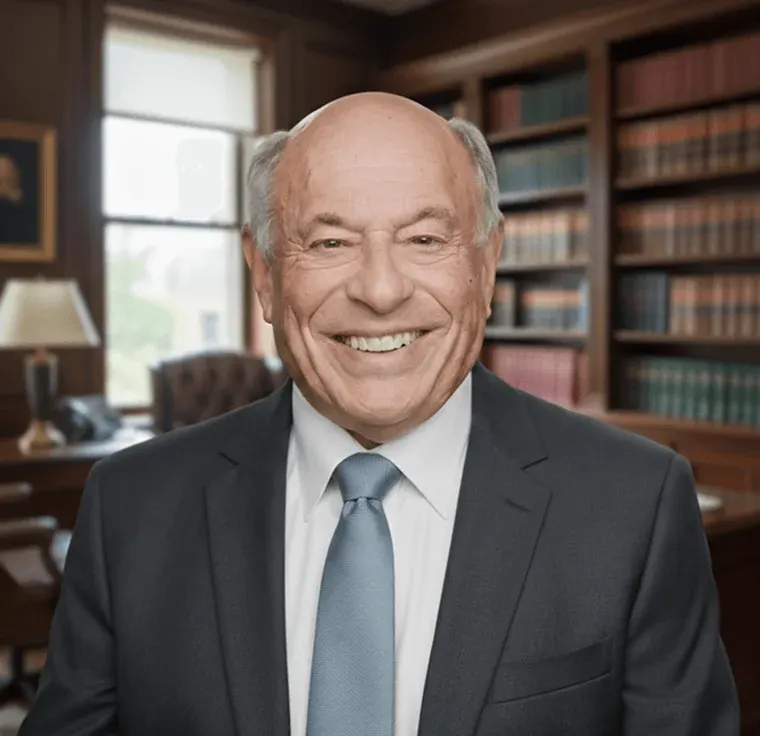
Every matter at the firm is handled personally by Paul — the same attorney reads the documents, gives the advice and negotiates on your behalf.
Contact
Describe what the business is dealing with — a contract on your desk, a deal in progress, a dispute or a company you are about to form. You will hear back from the attorney who handles the work.
Start a conversation