

Ocean County · New Jersey

Decisions Made, Records Missing: How Toms River Owners Repair the Paper Trail Before a Bank, Buyer or Partner Tests It

Toms River businesses make big decisions all the time: a loan, an investor, a ten-year vendor deal. When the records behind those decisions are thin, the problem stays hidden until an outsider asks to see them.

Toms River Township, Ocean County

The county seat's working businesses, and their missing minutes

Toms River Township is the Ocean County seat, with commerce concentrated along Route 37, Route 9 and Route 166 and the Garden State Parkway running through. Its professional practices, contractors, retailers and service companies often reach a point where a lender, buyer or new partner wants proof of how the company is run.

That proof is usually documentary: who owns the company, who approved the transaction and whether the person signing had authority. Owners are often surprised that a decision everyone remembers can still be hard to prove.

Toms River clients reach Paul by phone or video, or meet him at the Freehold office by appointment. The Ocean County business law hub describes the firm's broader work across the county.

Business owner working a calculator over stamped company records before a loan review

Situations

Four Toms River records problems and how they start

Lending

The bank wants a resolution you never adopted

Commercial lenders commonly require a member or board resolution authorizing the loan, plus a certificate naming who may sign. These can usually be prepared and signed quickly, but they must match your operating agreement or bylaws.
Investors

Money came in, approval did not

If an investor received a stake without the consents your documents require, the issuance may be open to challenge. The usual fix is a written ratification by the required owners and an amended ownership schedule.

Shareholder agreements

Vendors

One owner signed a ten-year commitment

Long-term equipment, software or service contracts can bind the company even if co-owners objected. Check whether the operating agreement reserved such commitments for joint approval, then decide whether to ratify, renegotiate or contest.

Practice sale

Selling a professional practice

Buyers ask for clean ownership records, assignable leases and contracts, and clear terms for transitioning clients or patients. Any professional licensing rules on ownership and records must be checked as well.

Selling a business

A lender or buyer asked for documents

Assembling a due-diligence-ready company file

Whether it is a refinance, an investment or a sale, the request list tends to look similar.

  1. Confirm standing with the state

    Check that annual reports are filed and order a standing certificate. Reinstate first if the entity has lapsed.

  2. Locate the governing documents

    Find the signed certificate of formation or incorporation, operating agreement or bylaws, and every amendment.

  3. Rebuild the ownership ledger

    List every transfer, issuance and redemption, with the document that supports each. Gaps here are the most common reason closings slip.

  4. Ratify past decisions

    Where significant actions were never formally approved, owners can adopt written consents that ratify them, recited accurately rather than backdated.

  5. Prepare the deliverables

    Draft the resolution, incumbency certificate and any officer certificates the lender or buyer has asked for.

Keeping it clean afterwards

How much formality does a small company actually need?

Less than many owners fear. New Jersey does not require an LLC to hold annual meetings. But documented consents for major decisions, such as borrowing, admitting owners, selling significant assets and signing long-term commitments, are good practice and are exactly what outsiders ask for.

Corporations carry more formal expectations under the New Jersey Business Corporation Act, including board and shareholder actions recorded in minutes or written consents. A short annual review keeps those records current.

The firm's corporate governance review checks your documents against how the company really operates, and its guide to why governance matters for small New Jersey businesses explains the risks of letting it lapse.

Toms River questions

Toms River owners frequently ask

What is an incumbency certificate, and why does my bank want one?

It is a short certificate, usually signed by an officer or manager, confirming who holds which positions and who is authorized to sign on the company's behalf. Lenders rely on it so they can show the loan was approved by the right people. It should be consistent with your governing documents and any resolution adopted for the loan.

We cannot find our signed operating agreement. What now?

Search email, prior lawyers' and accountants' files, and bank or loan records, which sometimes contain copies. If no signed version exists, the owners can adopt a new agreement now, ideally confirming past ownership and decisions in the same document. Until then, New Jersey's default LLC rules govern, which may not reflect what you intended.

Is ratifying an old decision the same as backdating?

No, and the difference matters. Ratification is a present-day act, dated today, in which owners approve something done earlier. Backdating presents a document as having been signed at a time when it was not, which can be misleading to lenders and buyers. Ratification done properly is a normal, legitimate clean-up tool.

How long does a records clean-up take before a sale or loan?

For a small company with cooperative owners, often a few weeks. It takes longer when documents are missing, owners disagree about past events, or the entity has lapsed with the state. Starting before the lender or buyer sets a deadline is the most effective way to keep the deal on schedule.

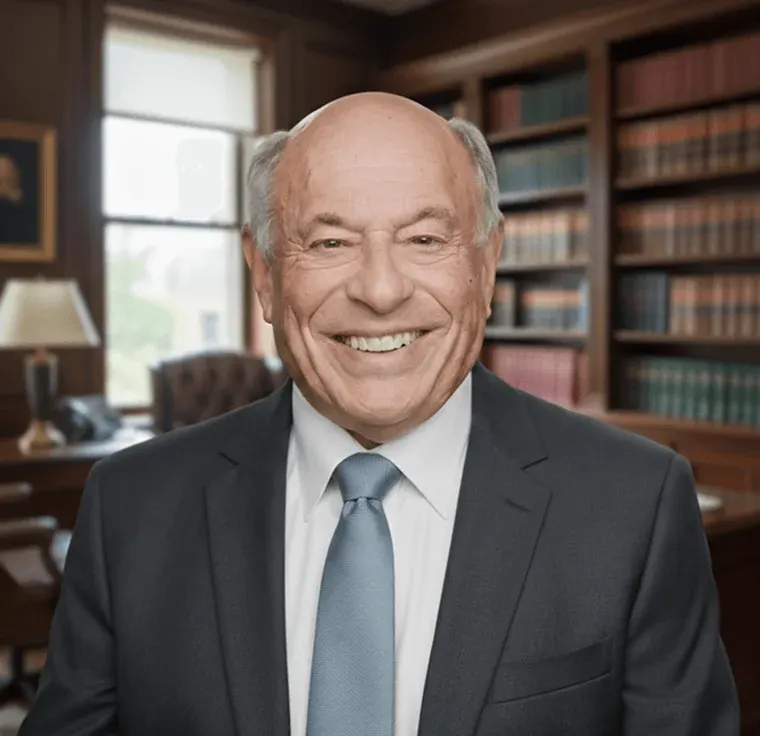
Paul H. Appel, Esq., business attorney, in his law library

Your attorney

Paul H. Appel, Esq.

Every matter at the firm is handled personally by Paul — the same attorney reads the documents, gives the advice and negotiates on your behalf.

Education
Columbia Law School, Juris Doctor (1967)
Experience
58+ years in commercial and business law
Focus for this matter
Commercial and business law for owner-run companies
Office
Freehold, NJ — serving Monmouth, Middlesex & Ocean Counties
More about Paul and the firm

Contact

Discuss Your Business Matter With Paul

Describe what the business is dealing with — a contract on your desk, a deal in progress, a dispute or a company you are about to form. You will hear back from the attorney who handles the work.

Start a conversation

Schedule a Free Consultation

Loading the secure consultation form… If it does not appear, call 917-748-6124 or email paul@paulappellaw.com.