
Contracts · Reference guide
Contract Language Decoded: A Plain-English Glossary
Commercial agreements reuse the same few dozen terms, and each one moves risk from one party to the other. This glossary explains what they mean in ordinary words and why a business owner should care.
How to use this page
Legal vocabulary is not decoration
Contract wording that looks like filler often carries settled legal meaning. Courts read familiar phrases the way they have been read for decades, so the choice of one word over another can change the outcome of a dispute.
The definitions below are deliberately short. They describe how each term generally works in New Jersey commercial agreements, not how it will apply to your document. Two clauses with the same heading can do very different things depending on the surrounding language, the defined terms and what has been carved out.
Keep this page open when you read a draft. When you hit a term in the left-hand column, check the right-hand column for the question to ask before you sign. If several of those questions come up, that is usually a sign the agreement deserves a professional look through the firm's contract drafting and review service.
Risk and money terms
Terms that decide who absorbs a loss
These provisions usually matter most when a deal goes wrong, which is exactly when there is no longer room to renegotiate them.
| Term | Plain-English meaning | Why it matters |
|---|---|---|
| Indemnification | One party promises to cover the other's losses, costs or legal fees arising from specified events, often third-party claims. | A broad indemnity can make you pay for problems you did not cause. Look at what triggers it and whether it is mutual. |
| Hold harmless | A promise not to pursue the other party for certain losses; frequently paired with an indemnity. | Read together with the indemnity, it can waive claims you would otherwise have. |
| Limitation of liability | A cap on the total damages one or both parties can recover, sometimes tied to fees paid under the contract. | Check which claims fall outside the cap and whether the cap is realistic compared with your actual exposure. |
| Consequential damages | Indirect losses such as lost profits, lost business or reputational harm that flow from a breach. | Many contracts exclude them entirely. For some businesses, lost profits are the main loss a breach would cause. |
| Liquidated damages | A fixed amount agreed in advance as the payment for a particular breach, such as late delivery. | New Jersey courts may refuse to enforce an amount that looks like a penalty rather than a reasonable estimate of harm. |
| Warranty | A promise that something is or will be true, such as goods being free of defects for a stated period. | The remedy for breaking it, and any disclaimer of implied warranties, often matters more than the promise itself. |
| Representation | A statement of fact made to induce the other party to sign, for example that the company has no pending lawsuits. | A false representation can support claims beyond ordinary breach, which is why sellers try to narrow them. |
| Insurance requirement | An obligation to carry specified coverage and sometimes to name the other party as an additional insured. | Confirm with your broker that your existing policy actually meets the requirement before you sign. |
Indemnities and liability caps interact. A generous indemnity can sit outside the cap, so the two clauses should always be read side by side.
Time, exit and control terms
Terms that govern how long you are bound and how you get out
| Term | Plain-English meaning | Why it matters |
|---|---|---|
| Term and renewal | How long the agreement lasts and whether it renews automatically unless someone gives notice. | Missing a renewal notice window is one of the most common ways businesses get stuck in contracts they meant to leave. |
| Termination for convenience | A right to end the contract without any breach, usually on a set amount of notice. | If only one side has it, the relationship is less balanced than it looks. |
| Termination for cause | A right to end the contract because the other party breached it or became insolvent. | Check whether a cure period must expire first and what counts as a material breach. |
| Notice and cure | A requirement to tell the other party in writing about a breach and give it time to fix the problem. | Skipping the formal notice steps can weaken an otherwise good claim. |
| Time is of the essence | Wording that makes deadlines strict, so performing late is itself a material breach. | Without it, courts often allow some reasonable delay. With it, a missed date can end the deal. |
| Force majeure | Relief from performance when events outside a party's control, such as natural disasters, make it impossible. | Whether a given event qualifies depends heavily on the clause's wording and list of covered events. |
| Assignment | Transferring rights or obligations under the contract to someone else. | Anti-assignment and change-of-control language can require consent when you sell or restructure the business. |
| Exclusivity | A promise to buy from, sell to or work with only one party within a defined scope. | It can block growth opportunities long after the original reason for it has passed. |
The boilerplate at the end
Clauses people skim and later regret
The final pages of a contract are often called boilerplate, which suggests they are standard. Many are anything but.
| Term | Plain-English meaning | Why it matters |
|---|---|---|
| Entire agreement (integration) | States that the written document replaces all earlier discussions, emails and promises. | A promise made in a sales pitch but not written into the contract may be unenforceable. |
| Governing law | Names the state whose law will interpret the agreement. | Another state's law may treat key terms, such as non-competes, very differently. |
| Forum selection | Names the court or location where disputes must be brought. | Litigating in a distant state can make a small claim uneconomic to pursue. |
| Arbitration | Requires disputes to go to a private arbitrator instead of court. | New Jersey courts expect the clause to explain clearly that the right to sue in court is being waived. |
| Severability | If one provision is struck down, the rest of the contract survives. | It keeps the deal alive but does not guarantee the invalid clause will be rewritten in your favor. |
| Waiver | Explains that not enforcing a right once does not give it up permanently. | Without it, repeatedly tolerating late payment can be argued to have changed the deal. |
| Amendment | Sets out how the contract can be changed, often only by a signed writing. | Informal email agreements to change price or scope may not count. |
| Counterparts and e-signatures | Allows each party to sign separate copies, including electronically. | Confirms that a scanned or electronically signed copy is binding. |
Quick self-check
Five questions to answer before signing any commercial agreement
If you cannot answer one of these from the document itself, that clause needs another look.
- What is the most I could owe the other party, and is any of it uncapped?
- On what date does this renew, and how much notice do I have to give to stop it?
- Can I end the contract if the relationship sours without the other party being in breach?
- Who owns the work product, data or improvements created under the agreement?
- Where would a dispute be heard, and under which state's law?
Some answers depend on what the rest of the business has already signed. A review of your existing contracts for compliance can catch obligations that conflict with a new deal. Once something has actually gone wrong, the firm's breach of contract page explains the next steps.
Questions & answers
Contract vocabulary — questions owners ask
What does indemnify and hold harmless mean?
Together, the phrase usually means one party will pay the other's losses from specified claims and will not sue the other over them. The practical effect depends on what events are covered, whether the obligation includes defending lawsuits and legal fees, and whether it is limited by a liability cap. Courts read these clauses closely, so the exact wording matters.
Is boilerplate in a contract actually important?
Often, yes. Governing law, forum selection, arbitration and entire-agreement clauses can decide where a dispute happens, which state's rules apply and whether earlier promises count at all. They are standard in the sense that most contracts include them, not in the sense that their content is always the same or always fair.
What is the difference between a representation and a warranty?
A representation is a statement of present or past fact given to persuade someone to sign. A warranty is a promise that a fact is true or will remain true, backed by a contractual remedy. Many agreements combine them as representations and warranties, but the distinction can affect which claims are available if a statement proves false.
What does time is of the essence mean?
It signals that deadlines in the contract are strict. Without that language, a court may treat a short delay as a minor breach that does not end the agreement. With it, missing the date can allow the other party to terminate. It is common in real estate and purchase agreements and worth noticing anywhere it appears.
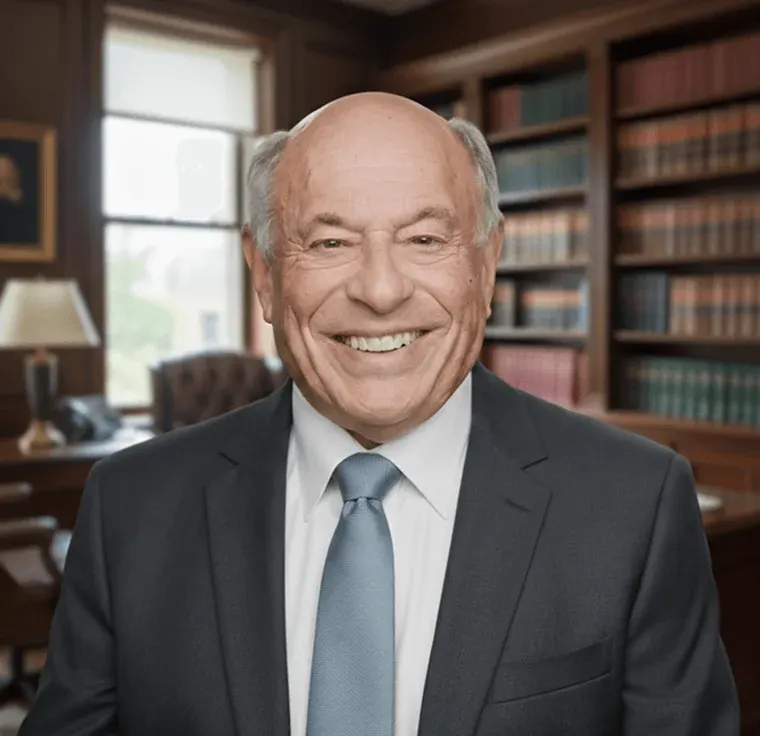
Your attorney
Paul H. Appel, Esq.
Every matter at the firm is handled personally by Paul — the same attorney reads the documents, gives the advice and negotiates on your behalf.
- Education
- Columbia Law School, Juris Doctor (1967)
- Experience
- 58+ years in commercial and business law
- Focus for this matter
- Drafting, reviewing and negotiating commercial agreements
- Office
- Freehold, NJ — serving Monmouth, Middlesex & Ocean Counties
Contact
Discuss Your Business Matter With Paul
Describe what the business is dealing with — a contract on your desk, a deal in progress, a dispute or a company you are about to form. You will hear back from the attorney who handles the work.
- Phone917-748-6124
- Office11 Crestwood Drive, Freehold, NJ 07728
- ConsultationsBy phone, video or in person by appointment
Start a conversation