
Formation Services · Scope of Work
What You Receive From a Formation Engagement, Item by Item
Before any work starts you get a written scope listing every filing and document the flat fee covers. This page sets out what that list normally contains, what you supply, and what sits outside it.
Why a scope document
Knowing the deliverables avoids paying twice
Formation services vary enormously in what they include. Some providers file a certificate and stop; others leave out the documents that actually decide ownership. A written scope removes the guesswork.
Every formation the firm handles begins with an engagement letter. It names the entity being formed, lists each document Paul will draft, identifies the State and federal registrations he will complete, and states the fee. If something you need is not on the list, you can see that at the outset and decide whether to add it — rather than discovering months later that, for example, nobody assigned the company's software to it.
The sections below describe a standard engagement. Your own letter will be adjusted to the entity type and to the facts: how many owners there are, what they are contributing, and whether investors or licensing rules are involved. For the broader picture of entity choices and the formation process, start with the business entity formation overview.
Standard deliverables
Included in a typical LLC formation
This is the baseline for a New Jersey limited liability company. Corporations, partnerships and nonprofits follow the same pattern with the documents their form requires.
- Name availability check and advice on any conflicting or confusingly similar names
- Certificate of Formation prepared and filed with the NJ Division of Revenue and Enterprise Services
- Registered agent arrangement confirmed, with a New Jersey address on file
- Federal Employer Identification Number (EIN) obtained from the IRS
- New Jersey business registration for tax purposes
- A custom operating agreement drafted for the members, reviewed with each of them and finalized
- Organizational consent adopting the agreement, admitting members and authorizing officers or managers to act
- Membership ledger recording each owner's percentage and contribution
- Banking resolution or authority letter for opening the company account
- Formation binder (digital) with every filed and signed document, plus a calendar of recurring State filings
Single-member LLCs receive the same list, with an operating agreement written for one owner — which still matters, for reasons explained on the operating agreement drafting page.
By entity type
How the core documents change with the structure
| Deliverable | LLC | Corporation | Partnership | Nonprofit |
|---|---|---|---|---|
| State formation filing | Certificate of Formation | Certificate of incorporation | Only for an LP or LLP | Certificate of incorporation with nonprofit purpose and dissolution clauses |
| Governing document | Operating agreement | Bylaws | Partnership agreement | Bylaws |
| Owner arrangements | Built into the operating agreement | Shareholder agreement where there are several owners | Built into the partnership agreement | Not applicable — no owners |
| Initial approvals | Organizational consent of members | Incorporator and board resolutions; share issuance | Partner consent | Board organizational resolutions |
| Ownership record | Membership ledger | Stock ledger and share certificates or book-entry record | Partner capital schedule | Trustee and officer roster |
| Tax set-up | EIN; NJ registration | EIN; NJ registration; S election if chosen | EIN; NJ registration | EIN; NJ registration; federal exemption application quoted separately |
Bylaws and board set-up for corporations are covered in more depth on the page about bylaws and initial corporate governance.
Your side of the work
What the firm needs from you
A formation moves as quickly as the owners can answer a handful of questions. Paul sends a short intake list at the start; the items that most often hold things up are these:
- full legal names and home addresses of every owner, and of any manager who is not an owner;
- the agreed ownership split and what each person is putting in — cash, equipment, a customer list, code or simply time;
- a decision on who manages day to day and which decisions need everyone's agreement;
- the business address and the registered agent you prefer;
- your accountant's view on tax classification, if you have one;
- copies of any lease, loan commitment, franchise agreement or customer contract signed or about to be signed.
Where owners have not yet agreed a point — often vesting, or what happens if one of them stops working in the business — Paul explains the usual options and the consequences of each, so the decision is an informed one rather than a default.
Not in the base fee
Work that is quoted separately when you need it
These items are common at formation but not universal, so they are added to the scope only when the business calls for them.
IP assignments from founders
Transferring code, designs, a brand or a domain a founder created before the company existed, so the company owns its own core assets.
S corporation coordination
Eligibility screening and the federal election, coordinated with your CPA once the decision is made.
S-Corp setupContractor and employee paperwork
Agreements for the first people who work for the business, drafted with New Jersey's worker-classification rules in mind.
Contractor agreementsLease review
Reviewing the first commercial lease, including any personal guarantee the landlord asks the owners to sign.
Converting an existing business
Moving an operating sole proprietorship or partnership into the new entity, with assignments of contracts, accounts and equipment.
Federal tax-exemption application
For nonprofits, preparing the IRS application for recognition of exempt status after the corporation is formed.
When you receive what
The order in which deliverables arrive
Engagement letter
Scope, fee and intake list, sent after the first conversation.
Filed formation document
Returned once the State accepts the filing, together with the entity's identification number.
Tax identifiers
EIN confirmation and New Jersey registration details, so you can open the bank account.
Draft governing documents
Sent to all owners with a plain-English summary of the key choices, followed by a call to go through questions.
Signed set and binder
Final documents, consents and ledgers, organized with a reminder schedule for the annual report and other recurring obligations.
Questions & answers
Questions about formation scope
Is the operating agreement included in the formation fee?
Yes. In the firm's formation engagements the governing document — operating agreement, bylaws or partnership agreement — is part of the core scope, not an upsell. It is drafted for your owners and your business, and the fee covers a review conversation and a round of revisions. Extensive negotiation between owners who disagree on major terms may be quoted separately, and you would know that before it happens.
What is not included in a standard formation?
Tax advice and tax returns, which belong with your accountant; licenses and permits specific to your industry or municipality, although Paul will flag the ones that commonly apply; ongoing compliance after the handover; and the add-ons listed above unless they are written into your scope. Anything excluded is named in the engagement letter so there are no assumptions.
Can the scope be expanded once work has started?
Yes. If a new need appears — a co-founder joins, a landlord wants a guarantee reviewed, or an investor asks for different terms — Paul explains what the additional work involves and confirms the added fee in writing before doing it. Nothing is added to the bill without your agreement.
Who actually does the work?
Paul does. The firm has no associates or paralegals to whom formation work is passed, so the attorney you speak with at the consultation is the one who drafts your documents, answers your questions and signs off on the filing.
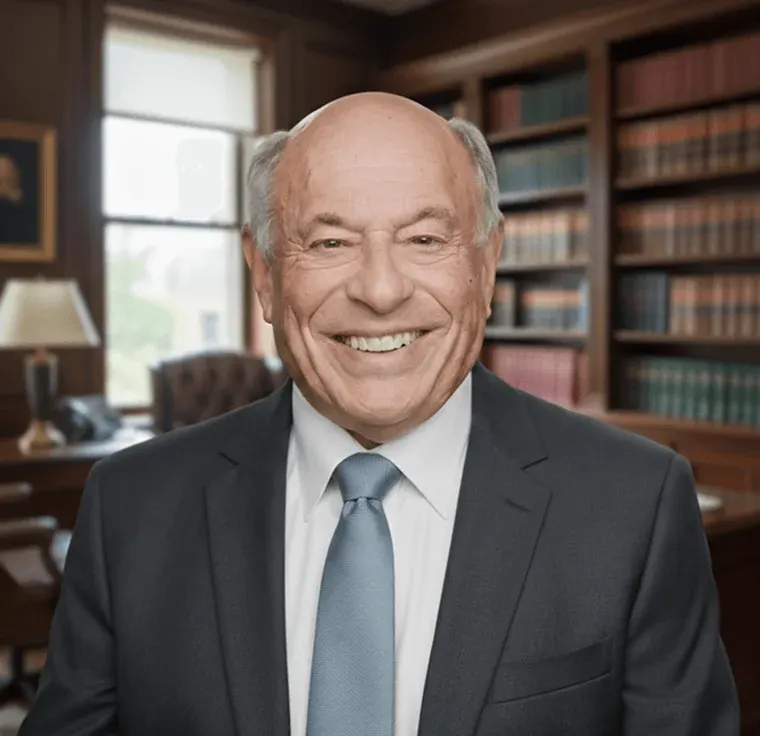
Your attorney
Paul H. Appel, Esq.
Every matter at the firm is handled personally by Paul — the same attorney reads the documents, gives the advice and negotiates on your behalf.
- Education
- Columbia Law School, Juris Doctor (1967)
- Experience
- 58+ years in commercial and business law
- Focus for this matter
- Entity formation, operating agreements, bylaws and governance records
- Office
- Freehold, NJ — serving Monmouth, Middlesex & Ocean Counties
Contact
Discuss Your Business Matter With Paul
Describe what the business is dealing with — a contract on your desk, a deal in progress, a dispute or a company you are about to form. You will hear back from the attorney who handles the work.
- Phone917-748-6124
- Office11 Crestwood Drive, Freehold, NJ 07728
- ConsultationsBy phone, video or in person by appointment
Start a conversation