
Ocean County · New Jersey
Fast Growth, Several Entities and Too Many Signatures: Lakewood Township Problems a Business Lawyer Can Untangle
Lakewood Township companies often expand quickly, adding entities, staff and customers faster than the paperwork keeps up. The problems that follow are fixable, and most are cheaper to fix before anyone outside the business notices them.
Lakewood Township, Ocean County
Speed is an asset until a lender, buyer or court asks for the record
Lakewood is crossed by Route 9, Route 70 and Route 88, close to the Garden State Parkway, and it is home to a wide mix of distribution, trade, service and professional businesses. Owners who move fast often run decisions through a few trusted people and a group chat.
That works day to day. It becomes a problem when someone has to prove what was decided, who had authority, or which company actually owns an asset or owes a debt.
Lakewood clients work with Paul by phone, by video, or in person at the Freehold office by appointment. The Ocean County business law hub describes the firm's broader county work; below are the situations growing Lakewood companies raise most.
Situations
Three growing-company problems and what to do first
Several LLCs, one payroll, one bank account
Operating affiliated companies is normal; mixing them is risky. If entities share staff, space or money with no agreements, a creditor of one may argue they are really one business. First, map which entity owns what. Then put intercompany agreements in place for shared services, leases and loans.
Protecting the corporate veilSomeone signed a deal you never approved
Whether the company is bound can depend on the authority the person appeared to have, not just what you privately intended. Do not ignore it. Review what was signed, decide whether to ratify or object, and tell the other side promptly in writing.
An investor wants in by next week
Quick money still needs a written basis: what the investor receives, whether it is equity or a loan, voting rights and exit terms. Check your operating agreement for consent requirements before accepting a deposit.
Operating agreements
A simple fix
A one-page signing-authority framework
Most companies need only a handful of rules to keep high-stakes commitments in the right hands. A sample structure:
| Commitment | Who may sign | How it is recorded |
|---|---|---|
| Routine purchase orders within budget | Designated managers | Accounting system |
| Customer contracts on the standard form | Sales lead or manager | Signed copy filed centrally |
| Leases, loans and guaranties | Owners only | Written member or board consent |
| New entities, investors or ownership changes | All owners as the agreement requires | Signed consent plus updated ownership records |
The firm's corporate governance review can turn this into a policy that matches your entity documents.
Business-to-business collections
When a wholesale buyer keeps stretching your terms
Late-paying trade customers are a cash-flow problem first and a legal one second. Start by checking what governs the relationship: a signed supply agreement, terms printed on your invoices, or nothing written. Then stop extending new credit until the account is current, or switch the customer to deposits.
A written demand that states the balance, attaches statements and sets a deadline resolves many accounts. Where it does not, claims for the sale of goods are generally subject to a four-year limitation period in New Jersey, and other contract claims generally six; accrual is fact-specific, so do not wait. The firm's debt collection support covers demand letters, negotiated payment plans and next steps.
If you are leasing warehouse or flex space to support that growth, read the lease's repair, common-charge and assignment terms closely. Net leases can shift roof, structure and system costs to the tenant in ways that only appear years later.
Lakewood Township questions
Questions from Lakewood owners
Is it a problem that my companies share one bookkeeper and bank account?
Sharing a bookkeeper is fine. Sharing a bank account is the bigger concern, because commingled funds are one of the facts courts look at when deciding whether to disregard the separateness of entities. Give each company its own account, document transfers between them as loans or payments for services, and keep separate books.
A manager signed a three-year service contract. Can I cancel it?
Possibly, but not just by declaring it unauthorized. If the manager had actual or apparent authority, the contract may bind the company. Read the contract's own termination clause, then decide whether to negotiate an exit or challenge it. Acting as if the contract is valid, for instance by using the service for months, can make objecting harder.
What is the quickest legal step for a customer who owes us a large balance?
A clear demand letter from counsel, with the account history attached and a firm deadline, is often the fastest and least expensive step. It also shows you are serious before you decide on mediation, arbitration if your contract requires it, or a court filing.
Does Paul handle these matters himself?
Yes. The firm is a solo practice, and Paul personally handles every matter from the first review to the final document. There are no associates or paralegals to hand work to.
Nearby
Also serving businesses near Lakewood Township
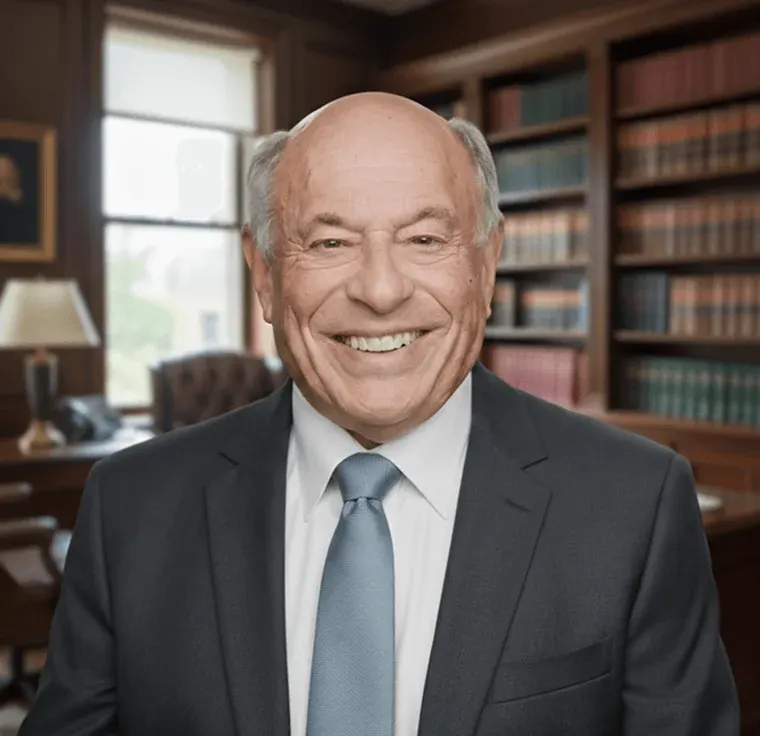
Your attorney
Paul H. Appel, Esq.
Every matter at the firm is handled personally by Paul — the same attorney reads the documents, gives the advice and negotiates on your behalf.
- Education
- Columbia Law School, Juris Doctor (1967)
- Experience
- 58+ years in commercial and business law
- Focus for this matter
- Commercial and business law for owner-run companies
- Office
- Freehold, NJ — serving Monmouth, Middlesex & Ocean Counties
Contact
Discuss Your Business Matter With Paul
Describe what the business is dealing with — a contract on your desk, a deal in progress, a dispute or a company you are about to form. You will hear back from the attorney who handles the work.
- Phone917-748-6124
- Office11 Crestwood Drive, Freehold, NJ 07728
- ConsultationsBy phone, video or in person by appointment
Start a conversation