
Contracts · Practical guide
After the Signature: Keeping Your Contracts From Running You
Signing is the midpoint of a contract's life, not the end. This guide explains how a small business can track dates, duties and changes so its agreements keep working the way they were negotiated.
Why this matters
Most contract losses come from neglect, not bad drafting
A carefully negotiated agreement can still hurt the business if nobody remembers what it requires. Contract lifecycle management is simply the habit of knowing what you have signed, what it obliges you to do, and when the next decision is due.
Large companies buy software and assign staff to this. A business with a few dozen agreements rarely needs either. What it needs is one reliable list, one person responsible for it, and a short routine that runs every month. The cost of skipping that routine shows up in predictable ways: a supply contract renews at last year's price because the cancellation window closed, a customer claims a service credit you forgot you promised, or a landlord rejects an option to renew because notice went to the wrong address.
None of these problems require a lawyer to prevent. They require attention. Where counsel helps is in setting up the system at the start, reading contracts to pull out the dates and duties that matter, and stepping in when something has to be changed or ended.

The stages
Five stages every agreement passes through after signing
Capture
Store the fully signed version, including every exhibit and schedule, in one known place. A draft or an unsigned PDF is not the contract and can mislead anyone who relies on it later.
Extract
Pull the key terms into a register: parties, start date, end date, renewal mechanics, notice period, payment terms, caps, insurance requirements and anything you must deliver or report.
Perform and monitor
Check periodically that both sides are doing what the agreement requires, such as service levels, delivery schedules, price adjustments or audit rights.
Change
When the deal shifts, record the change in a signed amendment that refers to the original agreement, rather than relying on emails or verbal understandings.
Renew or exit
Well before the end date, decide deliberately whether to renew, renegotiate or terminate, and send any notice exactly as the contract requires.
Building the register
What an obligations calendar should capture
A spreadsheet is usually enough. The value comes from the columns, not the tool.
| Item to record | Where to find it | Calendar trigger |
|---|---|---|
| Expiry date and renewal type | Term or duration clause | Reminder well ahead of the last day to give notice, not the expiry date itself |
| Notice method and address | Notices clause | Check before sending any formal notice; confirm the address is still current |
| Price escalations | Pricing or fees schedule | Date each increase takes effect, so invoices can be checked |
| Deliverables and reports you owe | Scope, statement of work or reporting clause | Each due date, assigned to a named person |
| Insurance certificates | Insurance clause | Policy renewal dates, so updated certificates go out on time |
| Confidentiality and restrictive periods | NDA or covenant clauses | Date the obligation ends, so information can be returned or destroyed as required |
Diary the notice deadline, not the expiry date. With an automatic renewal, the expiry date is usually too late to act.
Changing a live agreement
Amendments, side emails and the problem of drift
Business relationships evolve. Prices change, scopes grow and contact people move on. Many contracts say they can only be changed by a written amendment signed by both parties. If the business agrees changes informally instead, two things can happen: the change may not be enforceable, or a court may decide the parties' behavior altered the deal in ways nobody intended. Either outcome creates uncertainty that surfaces at the worst moment.
A short amendment solves this. It should identify the original agreement by title and date, state exactly which sections change, confirm that everything else stays the same, and be signed by people with authority to bind each company. For a series of changes, a restated agreement that consolidates them into one clean document is often easier for everyone to follow.
- Price or rate changes, even small ones
- Additional services, locations or products
- Extensions of the term or a new renewal arrangement
- Any change to liability, indemnity or insurance terms
When a business is sold or restructured, its contracts face a separate question: whether they can move to the new owner at all. That is covered on the page about assigning supplier agreements.
Who does what
Where the owner's routine ends and legal help begins
You can handle
Filing signed copies, keeping the register up to date, sending routine renewal reminders internally and checking that invoices match agreed pricing.
Worth a quick call
Drafting an amendment, deciding whether a notice is valid, or interpreting a renewal clause that seems to say two different things.
Needs counsel
Terminating for breach, responding to a claim that you are in default, or renegotiating a relationship that has become unprofitable. A compliance review of existing agreements is a structured way to find these issues early.
Storage and retention
Keeping contracts findable for as long as they can matter
A contract stays relevant after it ends. In New Jersey, a claim for breach of a written contract can generally be brought within six years, and claims involving the sale of goods are generally subject to a four-year period, although when that clock starts and whether it can be paused depend on the facts. Keeping signed agreements, amendments and key correspondence for at least that long after the relationship ends is a sensible baseline. Your accountant may recommend longer for tax reasons.
Store contracts so that someone other than the owner can find them. A shared folder organized by counterparty, with a consistent file name that includes the date, works for most small companies. For businesses that want this handled as part of a regular arrangement, the firm's periodic contract and policy review builds the register into an ongoing retainer, and the contract drafting and review hub covers new agreements.
Questions & answers
Managing signed contracts — questions owners ask
How should a small business keep track of its contracts?
Start with a single register listing every active agreement, its counterparty, end date, renewal type, notice period and the name of the person responsible. Review it monthly. Link each entry to the signed copy in a shared folder. That simple structure prevents most missed deadlines and costs nothing beyond an hour of setup per agreement.
Can we change a contract by email?
Sometimes, but it is risky. Many agreements require amendments to be in a signed writing, and an exchange of emails may or may not satisfy that depending on the wording and the circumstances. A short signed amendment removes the doubt. If a change has already been agreed informally, it is usually worth confirming it in a formal document.
How long should we keep old contracts?
Keep them at least as long as a claim could still be brought, which in New Jersey is generally six years for written contracts and four for most sales of goods, measured from when the claim arises. Because those periods can start later than you expect, many businesses keep key agreements longer. Ask your accountant about tax-related retention as well.
Do we need contract management software?
Not usually at small-business scale. A well-maintained spreadsheet with calendar reminders does the job for most companies with fewer than a hundred active agreements. Software becomes useful when many people sign contracts on the company's behalf or when volume makes manual tracking unreliable. The discipline matters more than the tool.
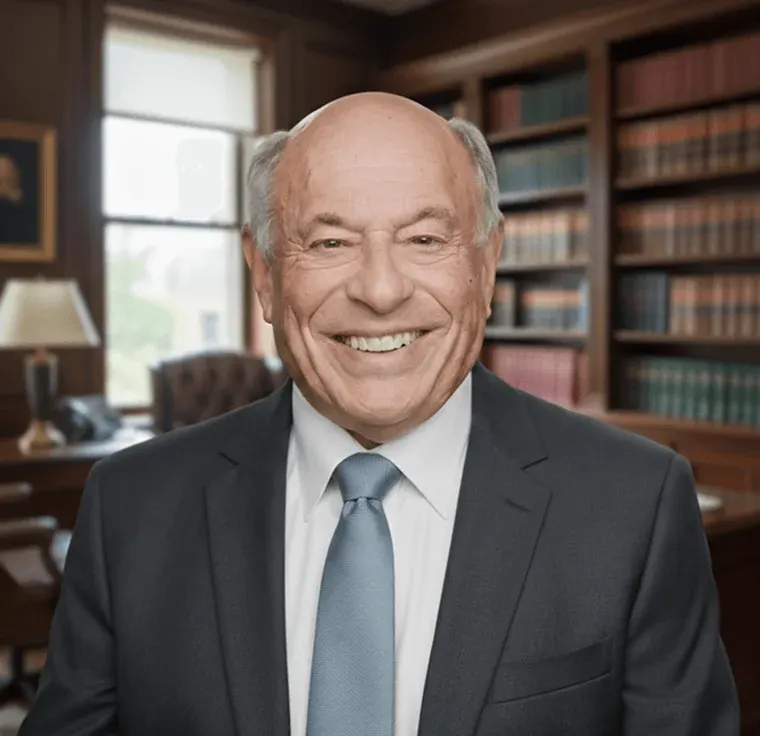
Your attorney
Paul H. Appel, Esq.
Every matter at the firm is handled personally by Paul — the same attorney reads the documents, gives the advice and negotiates on your behalf.
- Education
- Columbia Law School, Juris Doctor (1967)
- Experience
- 58+ years in commercial and business law
- Focus for this matter
- Drafting, reviewing and negotiating commercial agreements
- Office
- Freehold, NJ — serving Monmouth, Middlesex & Ocean Counties
Contact
Discuss Your Business Matter With Paul
Describe what the business is dealing with — a contract on your desk, a deal in progress, a dispute or a company you are about to form. You will hear back from the attorney who handles the work.
- Phone917-748-6124
- Office11 Crestwood Drive, Freehold, NJ 07728
- ConsultationsBy phone, video or in person by appointment
Start a conversation