
Corporate Governance · Process Guide
What to Expect, Week by Week, When Your Company's Governance Is Reviewed
Owners are often unsure what a governance review will ask of them or what it will turn up. This guide walks through the sequence, the paperwork, the usual findings and what you have in hand at the end.
Before it starts
A review is less disruptive than most owners fear
A governance review is a document exercise first and a conversation second. It does not involve anyone visiting your premises, interviewing staff at length or examining your accounts line by line. The core questions are narrow: does the company have the governing documents it should, did it follow them when making important decisions, and are its records of ownership and authority accurate?
The scope of the service itself, and the elements it covers, are set out on the corporate governance review page. What follows is the practical experience from the owner's side, based on how the firm typically runs these reviews for closely held New Jersey companies. Every company is different, so treat the timings as a general guide rather than a promise.
The timeline
How a typical review unfolds
For a single company with straightforward ownership, the stages below usually run over several weeks. Multi-entity groups or companies with missing records take longer.
Opening call (week one)
A conversation about why you want the review, who the owners are, and any decision you already suspect was not properly approved. The scope and fee are confirmed in writing afterwards.
Document collection (weeks one to three)
You gather the records on the request list. The firm also checks what the state has on file, which sometimes differs from what owners remember.
Reconstruction (weeks two to four)
Paul assembles a timeline of the company's significant decisions, from formation onward, and compares each one against the approvals the governing documents required.
Questions (around week four)
A single follow-up conversation fills gaps: who approved the line of credit, when a partner's share changed, why an officer was replaced.
Findings meeting (weeks five to six)
You receive a written summary and discuss it in one meeting. Corrective documents are agreed and then prepared.
Paperwork
Documents you will be asked to find
Do not worry if some are missing; that is part of what the review is designed to discover.
- Certificate of formation or incorporation, plus any amendments or name changes
- Operating agreement or bylaws, and any shareholder or buy-sell agreement
- Any minutes, written consents or resolutions, however informal
- Stock certificates, a stock ledger or a schedule of LLC members and percentages
- Documents for any transfer, buyout or new issuance of ownership
- Loan agreements, major leases and guarantees, since these usually required approval
- Bank resolutions or signature cards showing who may sign
- Agreements between the company and any owner or owner's relative
Typical findings
What reviews usually turn up, and what happens next
Most findings fall into a handful of familiar categories. None of them is unusual, and most have a standard fix.
| Finding | Why it matters | Usual outcome |
|---|---|---|
| Unsigned or missing governing document | The company may be running on statutory default rules nobody chose | A new or restated agreement, signed by all owners |
| Major decisions with no recorded approval | Owners may later dispute whether the decision was authorized | A ratifying consent covering the past decisions |
| Ownership records out of date | Votes, distributions and buyouts depend on accurate percentages | Corrected ledger, confirmed in writing by the owners |
| Officers or managers never formally appointed | Authority to sign may be questioned by lenders or buyers | Appointing resolution and updated bank records |
| Owner-related transactions not documented | Risk of later claims that terms were unfair to the company | Written approval of terms by disinterested owners where possible |
| Governing document conflicts with practice | Owners are following rules different from the ones they signed | Amendment so the document reflects the real arrangement |
The outcome
What you have when the review is finished
At the end of the review you should have three things. First, a written summary of what was examined and what was found. Second, a set of signed corrective documents: ratifying consents, appointing resolutions, an updated ownership schedule and, where needed, an amended governing agreement. Third, an organized company record book, physical or digital, that holds the governing documents and approvals in one place.
Owners often find the record book the most practical result. When a bank, a buyer or a new partner asks for proof of authority, the answer is a single file instead of a search through old emails. It also makes the next review, whenever it happens, much faster.
Occasionally a review surfaces something more serious than housekeeping, such as a genuine disagreement between owners about who holds what. That is discussed openly at the findings meeting. If it touches personal exposure, the guide to governance failures and personal liability explains the risks, and the wider legal risk analysis service can look beyond governance if needed.
Questions & answers
The review process — owner questions
How long does a corporate governance review take?
For a single company with a small number of owners, several weeks from the opening call to the findings meeting is typical. The biggest variable is how long it takes to gather documents. Companies with several related entities, changes of ownership over the years or missing records should expect longer, and the scope letter will give an estimate.
What documents will I be asked for in a governance review?
Expect requests for your formation documents, operating agreement or bylaws, any shareholder or buy-sell agreement, minutes and consents, ownership records, documents for any change in ownership, and major contracts that required approval such as loans and leases. Agreements between the company and owners or their relatives are also requested, because those are where approval matters most.
What are the most common findings in a governance review?
The most frequent are major decisions with no written approval, ownership records that have drifted from reality, officers or managers who were never formally appointed, and governing documents that no longer match how the owners actually run the business. Each has a standard corrective step, usually a ratifying consent or an amendment.
Do all owners need to take part?
Not necessarily in every conversation, but most corrective documents need signatures from the owners or directors whose approval is required. Where co-owners are cooperative, involving them early makes the process smoother. Where they are not, Paul will explain what can be done without them and what cannot.
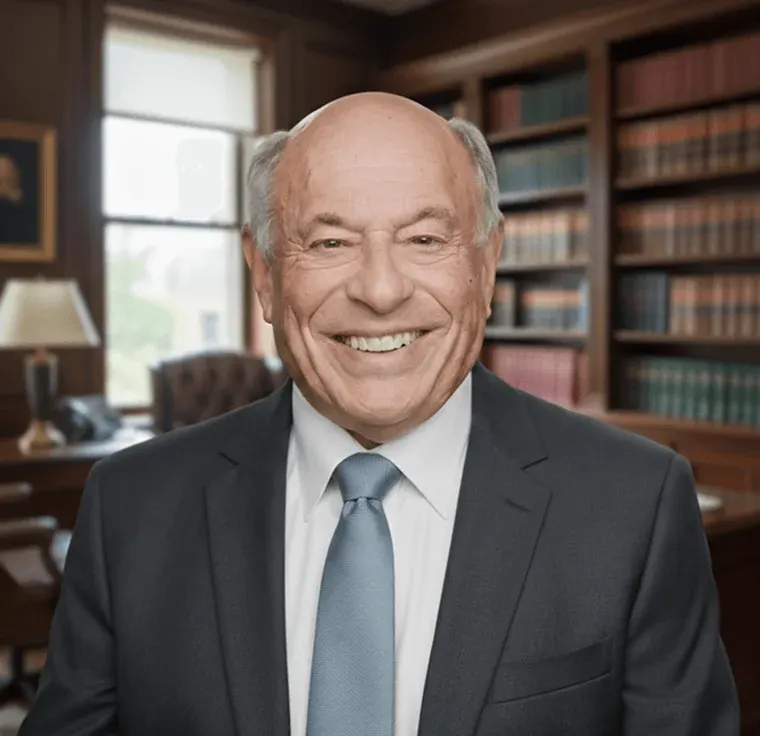
Your attorney
Paul H. Appel, Esq.
Every matter at the firm is handled personally by Paul — the same attorney reads the documents, gives the advice and negotiates on your behalf.
- Education
- Columbia Law School, Juris Doctor (1967)
- Experience
- 58+ years in commercial and business law
- Focus for this matter
- Compliance audits, governance review and legal risk analysis
- Office
- Freehold, NJ — serving Monmouth, Middlesex & Ocean Counties
Contact
Discuss Your Business Matter With Paul
Describe what the business is dealing with — a contract on your desk, a deal in progress, a dispute or a company you are about to form. You will hear back from the attorney who handles the work.
- Phone917-748-6124
- Office11 Crestwood Drive, Freehold, NJ 07728
- ConsultationsBy phone, video or in person by appointment
Start a conversation